
How to Maintain Color-Treated Hair: Stylist Guide

TL;DR
Color doesn't fade on a schedule. It fades in the shower, in the sun, and under your hot tools.
Here's the routine: wash on your scalp's schedule, not a strict calendar, and always with a color-safe, sulfate-free duo. Use your toner every other wash, never every wash, until the tone holds, then taper to once or twice a month.
When color starts looking dull, revive it mid-cycle with a clear gloss or a shade-matched color-depositing mask. Keep one bond-repair treatment a week, and leave your roots to concealer or your colorist. Follow that rhythm and color that quits at week three holds until week eight.
Still choosing your shade? My free Hair Color Guide matches color to you before you ever book.
You paid $200 or more for that color. In the salon mirror, it had depth, shine, that just-done richness. Three weeks later, it's flat, it's pulling brassy, and you're staring down five more weeks until your next appointment. I want you to hear this clearly. Most of that fade was preventable.
I'm a licensed stylist, and honestly, the color conversations I have in the chair are less about picking shades and more about what happens after my clients walk out the door. The service takes an afternoon. The maintenance is every shower, every styling session, and every sunny day after. The maintenance wins.
Every guide on the internet says sulfate-free shampoo and cool water, then stops right where things get useful. Almost nobody explains how often to actually use purple shampoo, when an at-home gloss is worth doing, or how to handle roots without turning your next salon visit into a color correction. That's what this guide is for.
Why Does Hair Color Fade?
Source: Pinterest
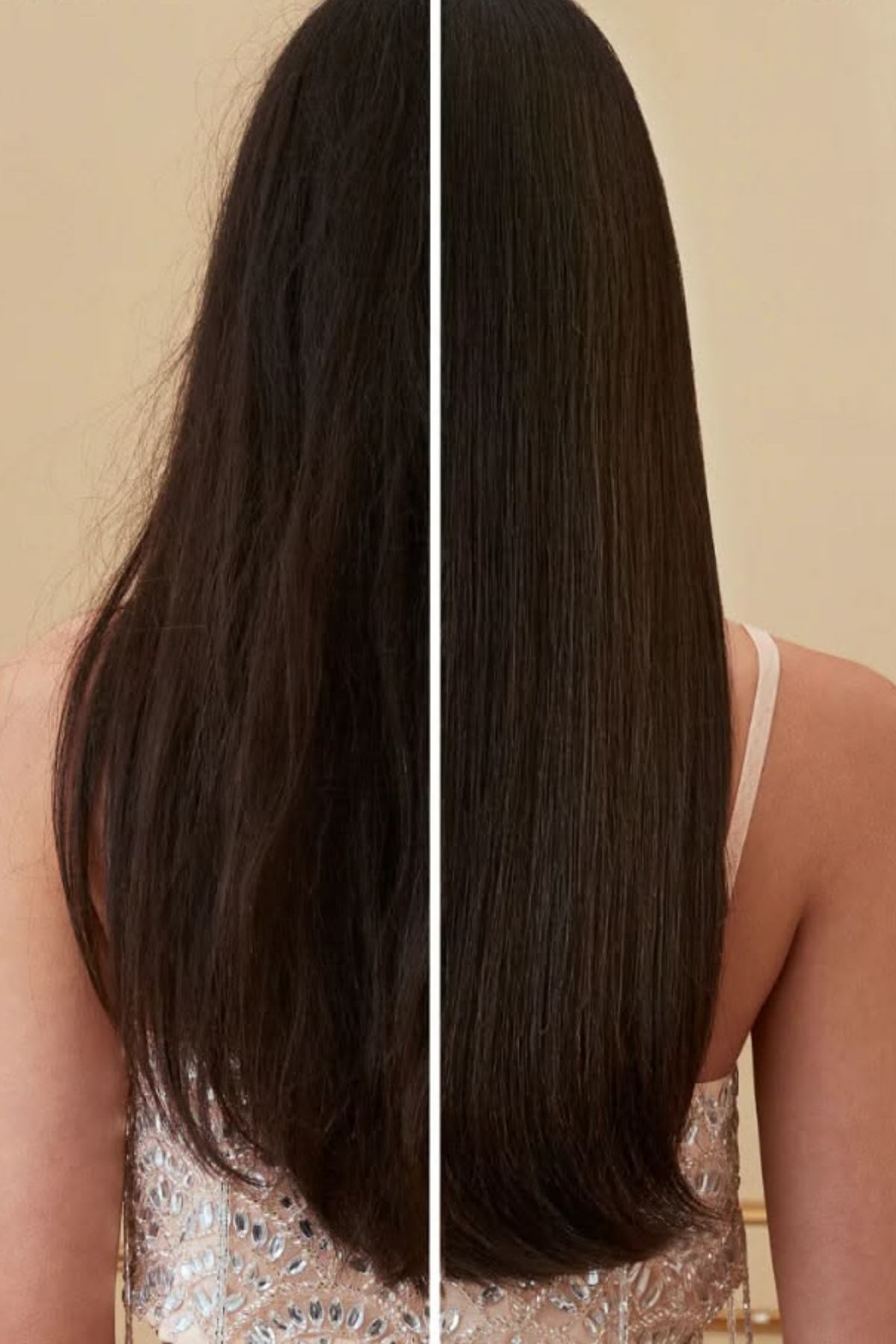
Color fades because the outer layer of your hair lifts and lets pigment escape. That outer layer, the cuticle, works like overlapping shingles. When it lies flat, pigment stays locked inside the strand, and the surface stays glossy. When hot water, the sun's UV rays, heat styling, or harsh detergents raise it, dye molecules slip out a little more with every wash.
Tone goes first. The color your colorist puts on top- the warmth in a copper, the cool in an ash blonde, the punch in a red- usually lives in a toner or gloss layered over your base. That layer sits closer to the surface than permanent color does. So when your color "fades," what you're usually watching is the tone rinsing away while the base hangs on.
Keep that in mind, because almost everything in this post is really about protecting tone. Each section below takes away one of the things that lifts your cuticle: hot water, sun, heat styling, or a harsh shampoo.
How Often Should You Wash Color-Treated Hair? (Wash Rules Explained)
Color-safe washing comes down to three things: how often you wash, how hot the water is, and what you wash with. Here's each one, plus a note if your hair is curly.

How often: wash on your scalp's schedule, not your color's.
I don't give my color clients a strict wash schedule. Wash your hair as often as your scalp actually needs it, the same as you did before you colored.
If you've got an oilier scalp and you wash every other day or every third day, keep doing exactly that. Stretching out greasy roots to "save your color" mostly makes you hate your hair, and a healthy scalp is part of what makes color look good in the first place.
If your basic technique could use a tune-up, these hair wash tips for healthier, shinier hair cover that side of the routine.
Water temperature: lukewarm, and mostly if you're a fashion color.
Temperature gets overhyped, with one real exception. If you're wearing a vibrant fashion color, think purple hair, red, or pink, rinse in cooler water, because those pigments wash out fastest. It doesn't have to be freezing. Lukewarm instead of steaming is the whole assignment.
What you wash with.
What you wash with matters every single time. To keep pigment where your colorist put it, wash with Redken Acidic Color Gloss Shampoo. It's sulfate-free, so it cleans without the harsh detergents that rough up the cuticle, and the acidic formula is built to keep that outer layer sealed down, so your color holds on noticeably longer wash after wash.
Then seal everything back in with Redken Acidic Color Gloss Conditioner from the same line, worked through your mid-lengths and ends for a minute or three after every wash. If your color has been reading dull, this two-product swap is the first thing I'd change.
If your hair is curly and color-treated.
You're probably already washing once or twice a week, and that rhythm is great for color too. Taking care of dyed curly hair is the same playbook, with more conditioning, so lean harder on the masks and leave-in in the repair section below, and keep the rest of your curly hair product routine color-safe.
Purple and Blue Shampoo Timing: How Often to Tone Color-Treated Hair
Source: Pinterest
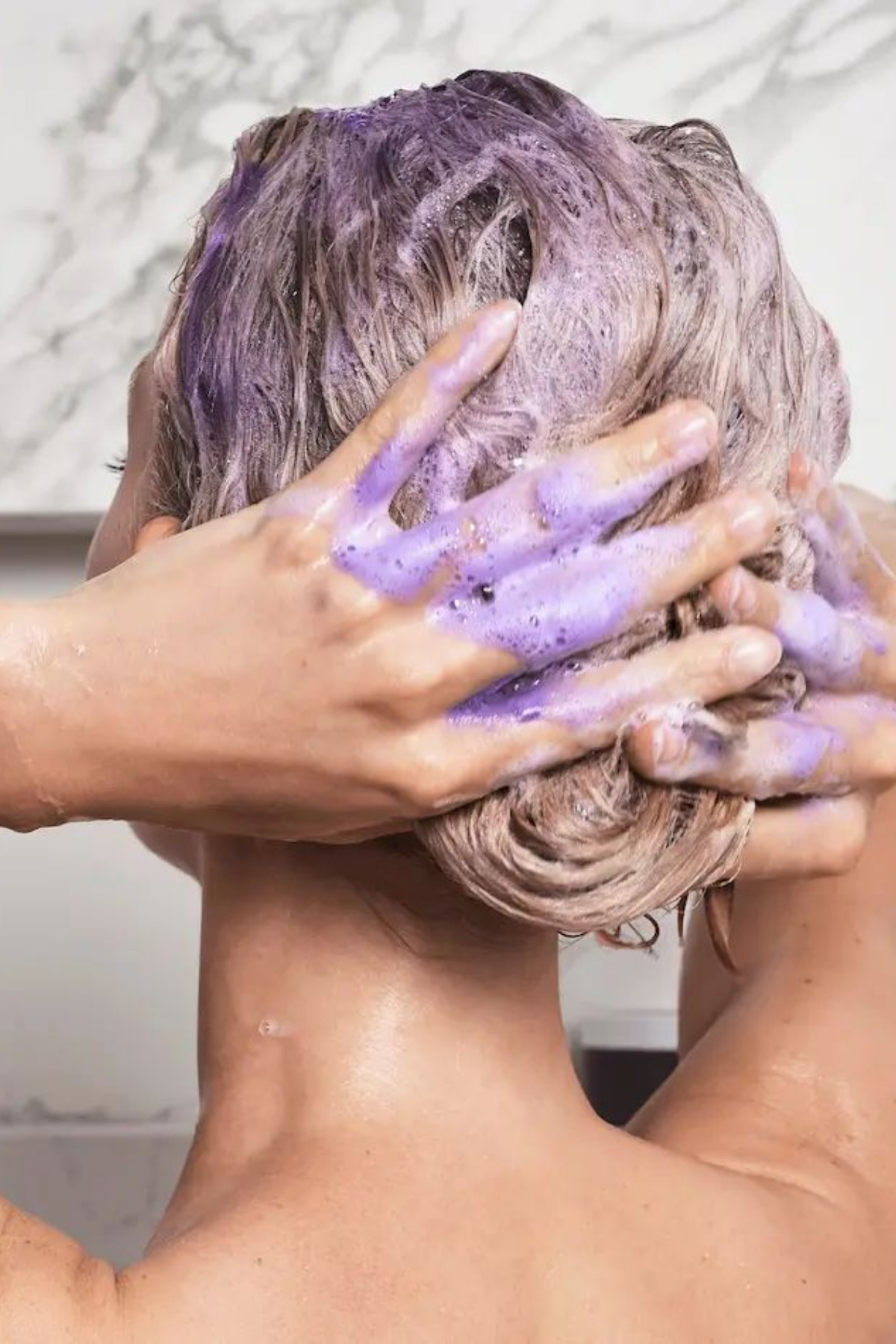
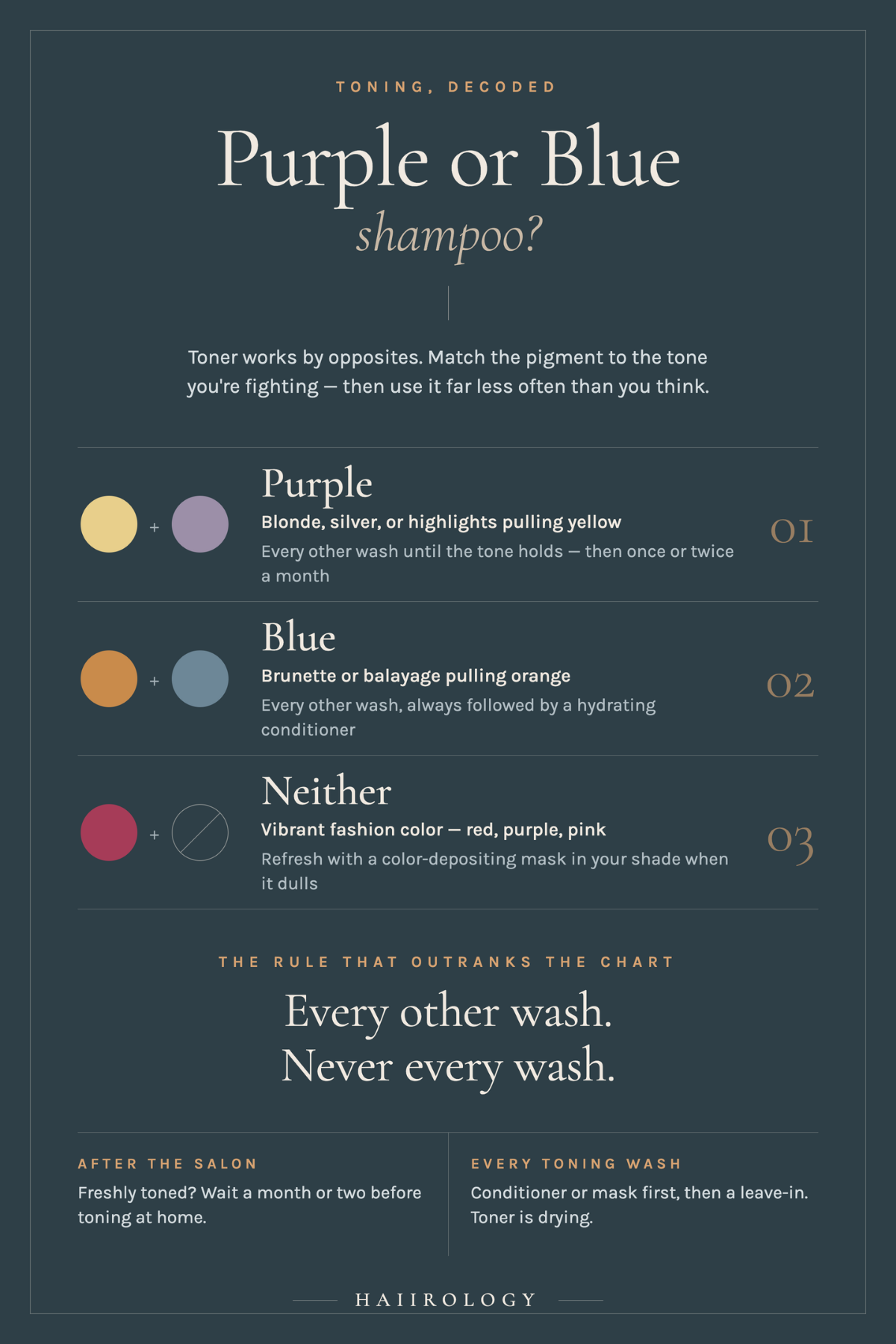
Purple shampoo neutralizes yellow in blondes, and blue shampoo does the same job for orange tones in brunettes.
In practice, though, toning is where I see the most self-inflicted trouble between color visits, and the mistake rarely comes down to which shade someone buys. It comes down to how often they use it.
My timing rule from the chair is simple. Use your toner every other wash, never every wash. Toning shampoos are drying, and using them every single wash leaves hair parched. Start at every other wash, and once you can see your tone holding steady, cut back to once or twice a month depending on how often you wash. You need just enough to maintain the tone.
Two more timing rules, because they save people from the most common toning mistakes:
Freshly toned at the salon? Wait. If you just left your appointment with a fresh toner, give it a month or two before you bring in a toning shampoo. Layering one on too soon can pull your hair greener or ashier than you wanted.
Always follow with moisture. After any toning wash, use a hydrating conditioner or a rich mask, then add a leave-in conditioner once you're out of the shower. You're putting back what the toner took.
The good news? At-home toning products are gentler than salon toners, so you're much less likely to over-tone with them.
For blondes, use OLAPLEX No.5P Blonde Enhancer Toning Conditioner when yellow creeps in between visits. Work it through clean, damp hair, leave it for three minutes, and rinse. It tones while it conditions, so you're neutralizing brass and adding moisture back in the same step.
And if brass is only one of your blonde problems, my full guide on how to take care of blonde hair goes past toning. For brunettes fighting orange, especially anyone with balayage or highlights, use Matrix Brass Off Toning Blue Shampoo every other wash, then follow it with a hydrating conditioner every time.
| Your color | Your toner | How often |
|---|---|---|
| Blonde, silver, or blonde highlights pulling yellow | Purple: OLAPLEX No.5P Blonde Enhancer Toning Conditioner | Every other wash until tone holds, then once or twice a month |
| Brunette or brunette balayage pulling orange | Blue: Matrix Brass Off Toning Blue Shampoo | Every other wash, always with a hydrating conditioner after |
| Vibrant fashion color (red, purple, pink) | Skip purple and blue. Refresh with a color-depositing mask in your shade (next section) | When the tone starts to dull |
One more toning rule, and it's the one I care about most. The number one thing I see wreck salon color is toning at home with drugstore box dye. The people I've watched tone at home successfully all did the same two things: they used professional color from a beauty supply store instead of a box, and they took real time to understand what their hair needed. If that's not you, skip home toning entirely and let your stylist handle it.
And because I know the box is cheap and the salon isn't, hear me on the math. When a box-dye toning job goes wrong, the color correction to fix it costs more than the original service would have. Doing it right, or leaving it to your stylist, is the move that actually saves money, because it protects the color you already paid for instead of buying a correction on top of it.
How to Revive Faded Hair Color Between Salon Visits
An at-home gloss or color-depositing mask is the best mid-cycle move in color care, and almost nobody does it. When your color starts to look dull, but your next appointment is still weeks away, one short treatment in the shower can revive it. This is the step that buys you weeks.
There are two versions of the move, and picking the right one matters. One precaution before you reach for either one: if your hair is chemically compromised right now, it stretches like gum when wet, or it's coming straight off a lightening service, skip the gloss and the mask for now and start with the bond-repair routine below instead.
Depositing color or shine treatments onto hair that's this fragile tends to grab unevenly, and you're more likely to end up with a patchy, blotchy result than the even refresh you're after.

Color Dull, But Tone Still Right? Use a Clear Gloss
That's a shine problem, not a tone problem, so you fix it with shine. A clear at-home gloss brings back that glassy finish without touching your tone at all, and it helps when the color process left your hair feeling a little rough. Look for one labeled clear, crystal, or clear glaze, so you know it won't deposit any color. Here's how to actually do it:
Start clean and damp. Shampoo the way you normally would, then towel-dry until your hair is damp, not dripping. A clear gloss grabs best on clean hair with the extra water squeezed out.
Work it through your mid-lengths and ends first. That's where dullness shows most. Smooth it in with your hands or a wide-tooth comb so every strand gets an even coat, then bring whatever's left up toward your roots.
Leave it on for the time on the package. Most clear glosses process in just a few minutes right there in the shower. Don't guess the timing; set a timer for exactly what the bottle says, because leaving it too long won't make it shinier.
Rinse until the water runs clear. Then follow with your conditioner if the gloss you bought doesn't already condition as it works.
Repeat every few weeks, whenever the shine flattens out again. You'll usually see the glassiness come back the same day.
Tone Actually Faded? Use a Color-Depositing Mask
These put actual pigment back into the hair while they condition.
For depositing masks, I don't crown one brand. I trust three, and they all run full shade ranges: Wella Color Fresh Mask, Moroccanoil Color Depositing Mask, and IGK Gloss Toner & Color Depositing Mask.
All three go on damp hair and process in minutes, roughly three to fifteen depending on the brand and how much deposit you want, so follow the tub you buy. What decides your result is the shade, so match the mask to the color you have right now. Pull up the full shade list for whichever line you're choosing from and pick the one closest to your current color. Don't guess.
One warning from the chair, because this is the part that goes wrong. If you pick a shade too dark, it will take your color darker, and that's hard to undo. When you're stuck between two shades, stop and ask your stylist which mask and which shade they'd use on you. You're protecting an expensive service with a two-minute question.

| More Hair Color Care, Shades, and Maintenance Guides |
|---|
| Keeping your color fresh is half care and half choosing the right shade. These go deeper on both: Whether you're maintaining your current color or planning your next one, you'll find the next step here. |
Bond Repair for Color-Treated Hair: A Weekly Routine
Color-treated hair needs bond repair on a regular schedule, and moisture alone won't get you there. Every color service is a controlled chemical process. Lightener especially breaks bonds inside the strand, and that structural damage is why colored hair snaps, frizzes, and drinks up product.
If your hair is coming back from bleach specifically, run a bleach-damaged hair care routine alongside everything here. A hydrating mask makes hair feel softer, while bond repair works on the structure underneath. You want both, on a schedule.
One safety note: if you're planning another color or lightening service soon, don't stack a heavy bond-repair week directly before it without telling your colorist. Some bond-repair ingredients change how hair takes color, so a quick heads-up keeps your next appointment predictable instead of surprising.
The weekly rhythm I recommend:
Once a week, before you shampoo.
Work Olaplex No.3 Hair Perfector through damp hair until it's saturated and leave it on for three to ten minutes before you wash. It's the bond-repair staple for a reason, and weekly is the cadence that keeps up with what color takes out. I wrote a full step-by-step on how to use Olaplex No.3 if you want the exact method.
Once a week, in place of your regular conditioner.
When your hair feels rough, or your ends look tired, swap in Amika The Kure Intense Strength Repair Mask for ten minutes after you shampoo. It's built for damaged, dry, color-treated hair, and using it in place of conditioner is the easiest way to fit a mask into your week.
Every wash, out of the shower.
Smooth a bonding leave-in through damp hair. Redken Acidic Bonding Concentrate Leave-In is the one I reach for: one or two pumps through mid-lengths and ends. It's the same kind of acidic formula as your wash duo, so it seals the cuticle the same way. It also shields your hair from heat, and damaged hair drinks it right up.
If you heat-style most days:
Keep that weekly bond treatment non-negotiable. You're repairing as you go instead of saving it all up for a crisis.
Heat, Sun, and Buildup: The Fade Triggers You Control
Heat, UV, and buildup are the three fade triggers completely within your control, and each one has a specific fix.
Heat
I'd rather you didn't use hot tools every day, and I also live in the real world. If you're going to heat-style daily, do two things.
First, drop your heat setting. You don't need the max, especially when your hair is already styled and you're just touching it up.
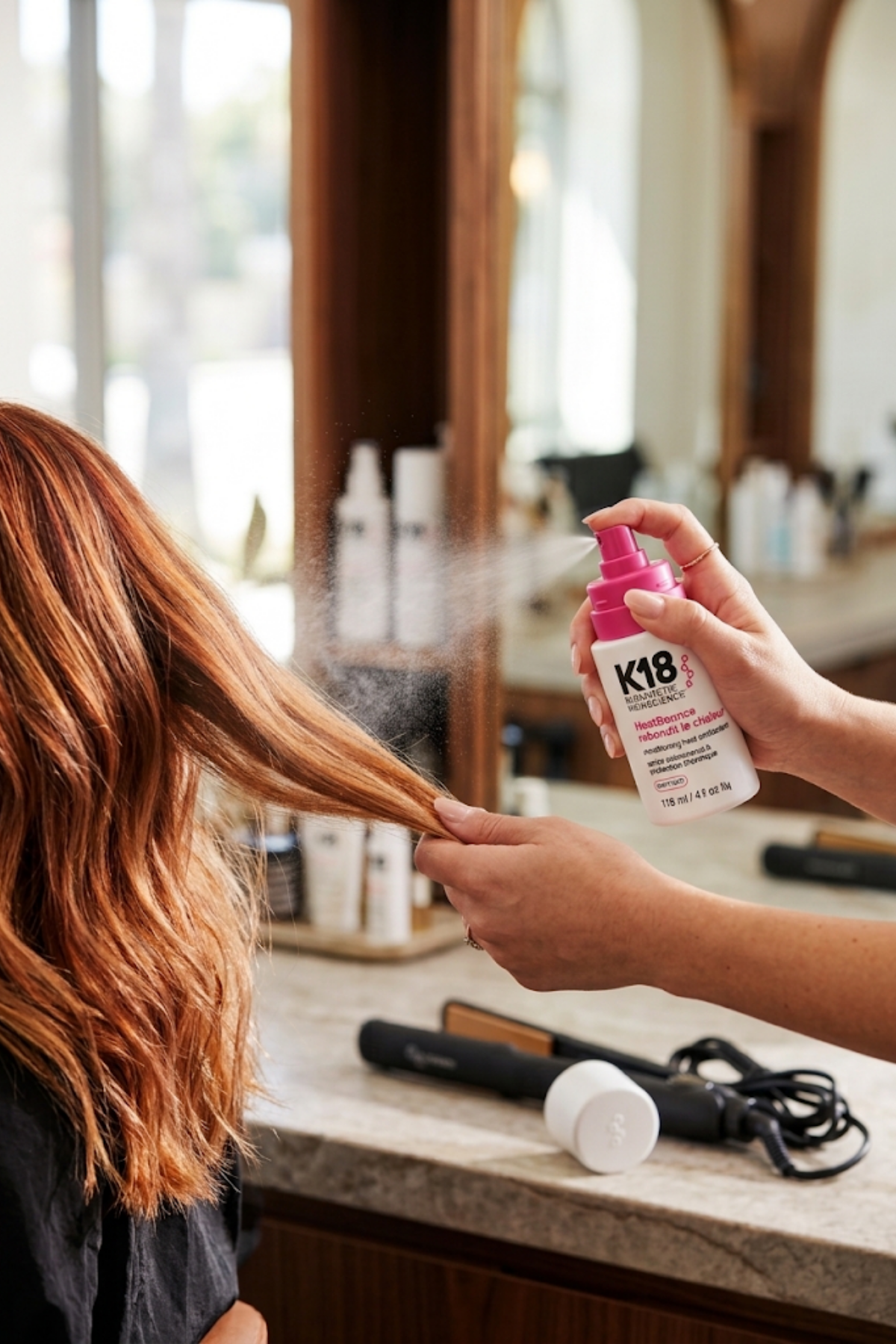
Second, never let heat touch bare color. Mist K18 HeatBounce Conditioning Heat Protectant through damp or dry hair before every pass of the tool. It's built to protect both the hair and the color up to 450 degrees, and it conditions while it shields.
If your ends are already fried from hot tools, start with a heat-damaged hair repair routine before you worry about fade. If you're wearing a bright fashion color, test any new heat protectant on a small section first. Most are color-safe, but a rare formula can dull a vibrant shade faster than heat alone would, and that's worth knowing before it's all over your head.
Sun
UV fades pigment the way it fades a couch that sits by a bright window. I'll be straight with you, I don't currently have a UV hair product I trust enough to put my name on. Until I do, my honest advice is old-fashioned: wear a hat when you know you'll be in hard sun, especially in summer, and especially if you're blonde or wearing a fashion color.
Buildup
When color looks dull, half the internet tells you to clarify, and this is where color-treated hair gets hurt. A standard clarifying shampoo is aggressive enough to pull pigment along with the buildup. I've broken down what clarifying shampoo actually does if you want the mechanics.
For color, use a color-safe detox instead. K18 PEPTIDE PREP Color-Safe Detox Shampoo clears product residue and hard-water mineral buildup without stripping your color. Swap it in when your hair starts feeling coated, or your usual products suddenly stop working.
Root Touch-Ups Without Wrecking Your Next Appointment
Source: Pinterest
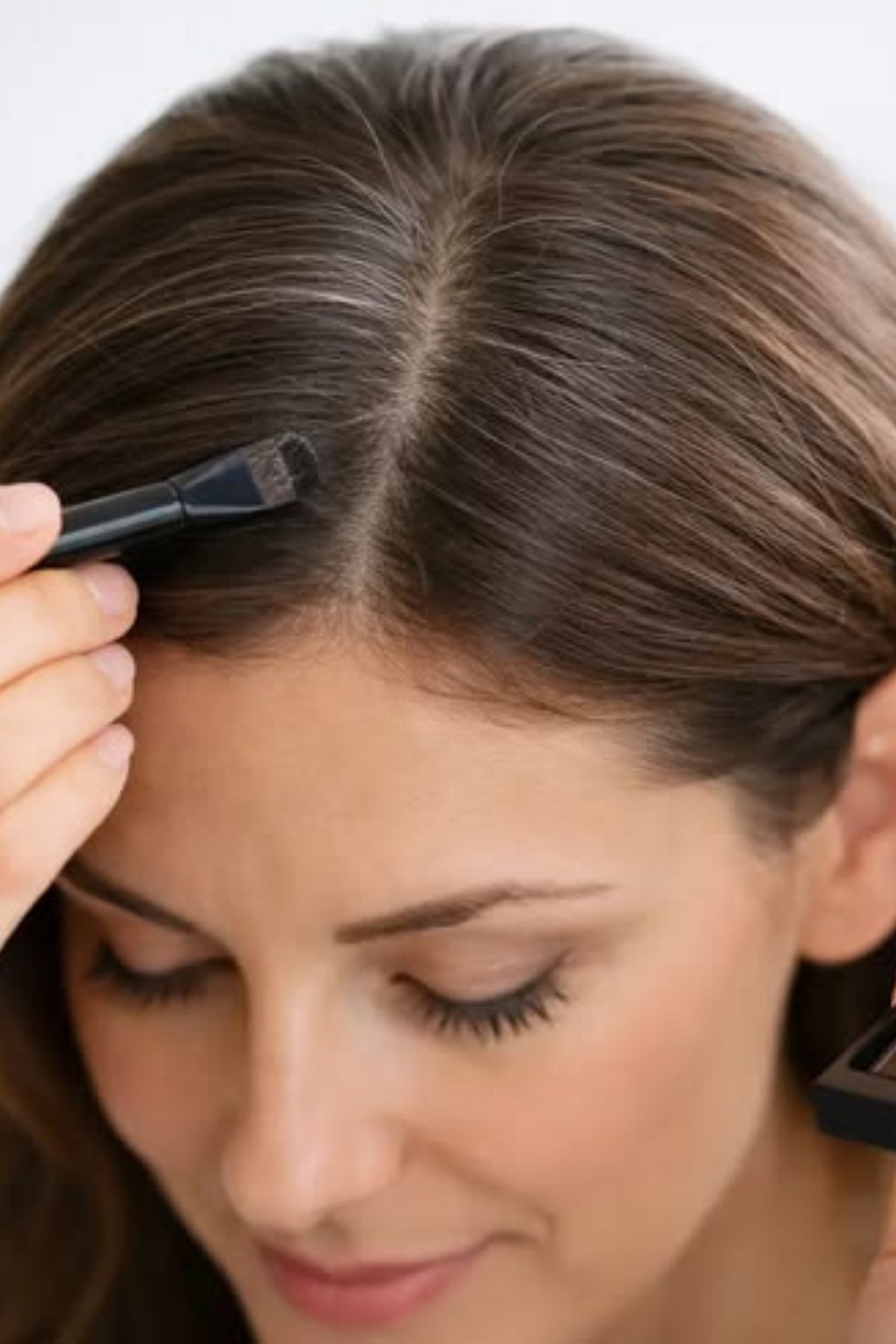
Here's the short version: temporary concealers are safe, permanent box dye is not, and gray coverage is worth leaving to your colorist. The details on each.
Temporary concealers (the powders and sprays): go for it.
They sit on top of the hair and wash out, so they can't sabotage what your colorist does next. This is your safest between-visits option.
Permanent box dye on your roots: don't.
It's the one touch-up move that turns your next appointment into a repair job.
My default answer on roots, especially grays: book them in.
Most people who cover their own grays at home tell me the same thing afterward: they still didn't get full coverage. Two things usually go wrong:
They don't get the color to grab onto the gray the right way.
They land on a shade or tone that's a little off.
There are specific shades that cover gray better and small application tricks that make a real difference, which is why this is the one job I'd hand back to a professional.
If the salon isn't in the budget right now, say that out loud to your stylist.
There are solid at-home options on the market now, and your stylist can tell you which product and which exact shade to buy for your hair. That one question protects you from the classic at-home root disaster: hot roots, where a red-leaning shade turns your regrowth line bright red.
If you're going to color your own roots anyway, follow three rules:
Patch test first, 48 hours out.
Test any new permanent color on a small section of skin before you apply it near your scalp. Allergic reactions to hair dye are rare, but they're real, and your whole head is not the place to find out for the first time.
Do your research on the shade match before you buy anything.
Buy a professional dye from a local beauty supply store, never a drugstore box.
Box dye creates a dense, uneven band at the roots. Months later, when you're in the chair for a brunette balayage or babylights refresh, that band is what turns a normal refresh into a corrective service.
One last thing, and it's why lived-in color keeps trending. Softer lines and blended roots mean your grow-out looks intentional, so there's less pressure to attack your roots between visits in the first place. If that sounds like your speed, these low-maintenance hair colors that grow out beautifully were picked for exactly that.
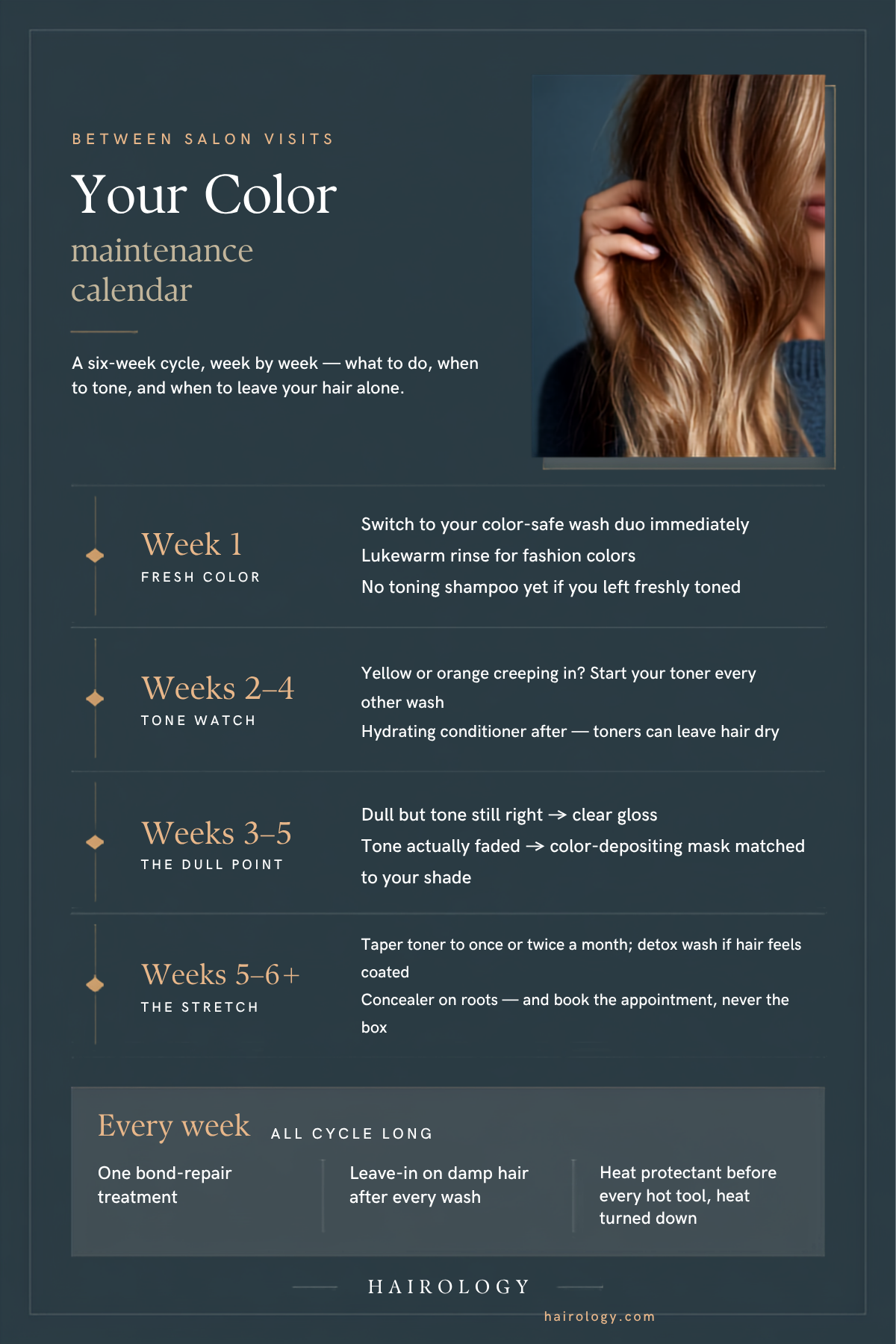
Your Between-Visits Maintenance Calendar
| When | The moves |
|---|---|
| Week 1 (fresh color) | Switch to your color-safe wash duo immediately. Rinse lukewarm if you're wearing a fashion color. No toning shampoo yet if you left the salon freshly toned. |
| Every week, all cycle | One bond-repair treatment (No.3 or the Kure mask). Leave-in on damp hair after every wash. Heat protectant before every hot tool, on a lower heat setting. |
| Weeks 2–4 (tone watch) | Blonde pulling yellow or brunette pulling orange? Start your toner every other wash, hydrating conditioner after, until the tone holds. |
| Weeks 3–5 (the dull point) | Color dull but the tone accurate? Clear gloss. Tone visibly faded? Color-depositing mask matched to your current shade. |
| Weeks 5–6 and beyond | Cut toning back to once or twice a month if tone is holding. Detox wash if hair feels coated. Concealer on roots if you need it, and book your next appointment instead of reaching for a box. |
FAQs: How to Maintain Color-Treated Hair
How often should color-treated hair be washed?
There's no strict rule, and I mean that. Wash as often as your scalp actually needs it, the same way you did before you colored. If your scalp runs oily and you wash every other day or every third day, keep that up. A greasy, unhappy scalp doesn't protect your color, and a healthy scalp actually helps color look its best. After a color service the frequency can stay the same. The formula is what changes: every wash should be color-safe and sulfate-free, and if you're wearing a vibrant fashion color, rinse lukewarm instead of hot. Frequency is personal. The products are the part I'm strict about.
What not to use on color-treated hair?
Drugstore box dye is the big one, whether you're toning or touching up roots, because it's the single most common way I see salon color wrecked. Beyond that, skip standard clarifying shampoos, which are harsh enough to strip pigment along with buildup, and any shampoo with strong sulfates. Go easy on toning shampoos too. They work, but they're drying, so every other wash is plenty. And be careful with color-depositing masks in shades darker than your current color, because going too dark is hard to reverse. When in doubt about any product, ask your stylist. That two-minute question can save you a corrective service.
Can you use Kerastase on color-treated hair?
Generally, yes. Kerastase is a premium professional brand, and most premium lines include formulas designed to be safe on color-treated hair. The brand name isn't the thing to check, though. Look at the specific line and the label. You want sulfate-free or color-safe marked on the bottle you're actually buying, because every big brand also makes clarifying and deep-cleansing formulas that aren't built for protecting tone. If you already own and love a Kerastase product, check its label or ask your stylist whether it fits your color. A high price doesn't automatically mean color-safe, so read the label first.
Is salicylic acid okay for colored hair?
Yes, in moderation. Salicylic acid is a scalp exfoliant, the kind you'll find in clarifying and anti-dandruff shampoos, and it's generally fine on color-treated hair. The catch is that it deep-cleans and lifts buildup, so overusing it can speed up color fade, especially on vibrant fashion colors. Use it occasionally rather than every wash, pick a gentler or color-safe formula, and follow it with a hydrating conditioner. Don't cut it out entirely if your scalp needs it, though. A healthy scalp actually helps your color look its best, so the goal is balance, not avoidance.
Final Word from Haiirology
That $200 color deserves more than a three-week lifespan. Keeping color-treated hair looking fresh between salon visits comes down to a rhythm: the right wash duo every time, toner every other wash when brass creeps in, one gloss when things go dull, bond repair once a week, and roots left alone until your colorist sees them. Pick up the rhythm this week and your week-six hair will show it.
If the shade itself has never felt quite right, start further upstream. Grab my free Hair Color Guide and find the color that's actually yours, then use this calendar to keep it.
And come hang out with me on Instagram; that's where I share the behind-the-chair version of posts like this.

Free Hair Color Guide
Find the Hair Color That Flatters You Most
Stop guessing at the salon. Learn which shades work with your skin tone and undertone so you can choose your next hair color with confidence.
- ✓ Identify your skin tone and undertone
- ✓ Find the shades that complement your complexion
- ✓ Know what to ask for at your next color appointment
No spam, just great hair advice!



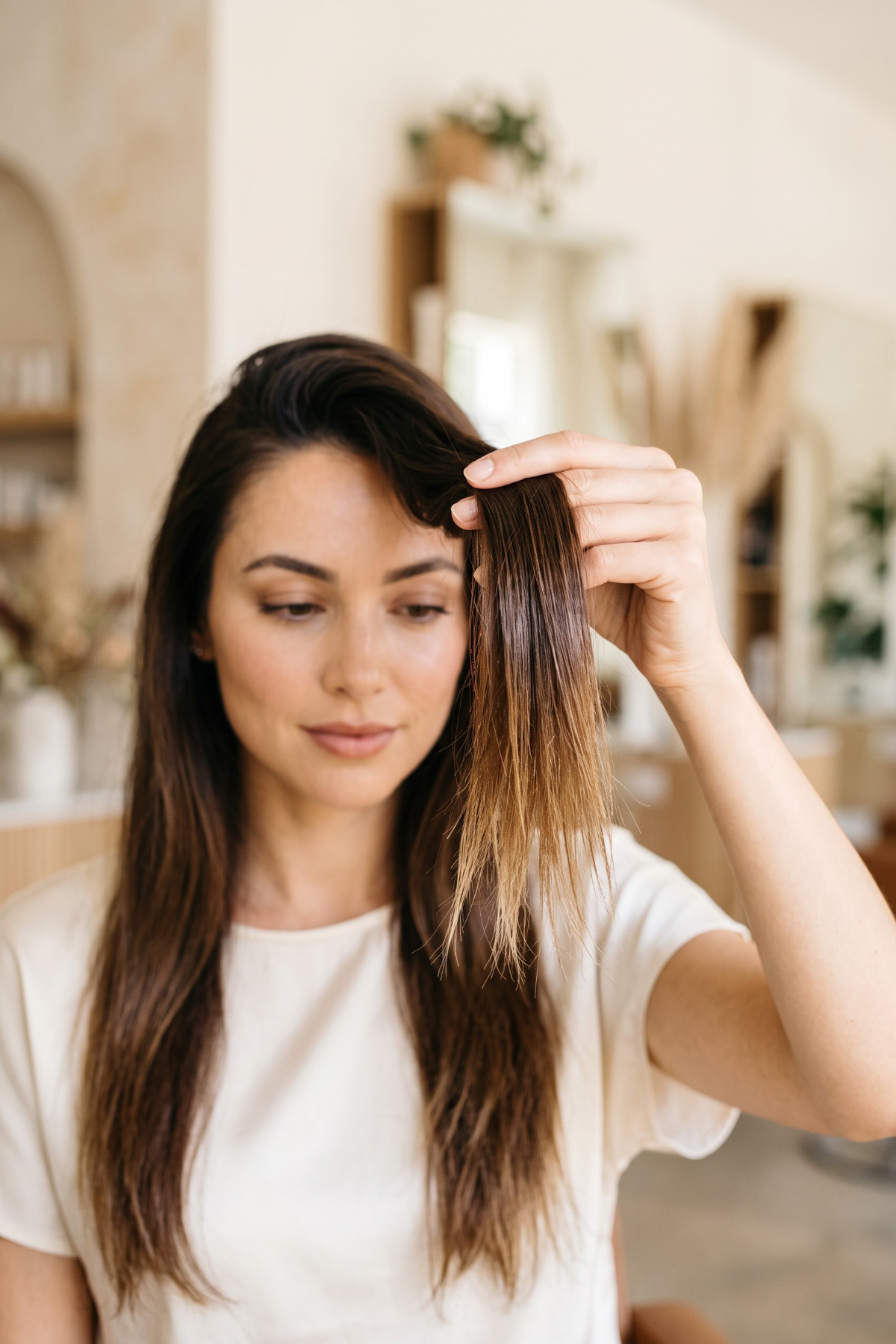





Brassy, "not blonde enough," or unsure which highlights suit you? 15 blonde highlight looks, from money piece to balayage, and exactly who each one flatters.