
Hair Care for Fine Hair: The Products & Routine That Add Real Volume and Thickness
This post may contain affiliate links, which means I'll receive a commission if you purchase through the link at no extra cost to you. Please read the full disclosure here.
TL;DR
The best hair care for fine hair focuses on gentle cleansing, lightweight moisture, and minimal product buildup. Wash your hair 2–4 times a week using a clarifying or volumizing shampoo, always double shampoo, and condition only from mid-length to ends. Use lightweight leave-ins and styling products that add volume without crunch. Treat your scalp based on its oiliness, and finish with just a few drops of lightweight hair oil on your ends. Avoid high heat, product at the roots, and skipping clarifying treatments. Follow these steps consistently to keep fine hair healthy, voluminous, and grease-free.
Why Does Fine Hair Need More Care?
If you’ve got fine hair, you already know how tricky it can be. One day it looks fluffy and fresh, then the next, it’s greasy, flat, and totally uncooperative.
And the worst part? Most advice out there isn’t made for fine hair. It’s either too heavy, too complicated, or just doesn’t work for fine hair texture.
Over the years, I’ve had so many clients come in feeling stuck; washing daily, piling on volumizers, or skipping conditioner altogether because everything “makes it limp.”
Sound familiar?
Fine hair needs care that’s light, strategic, and consistent. Not more steps but just the right ones.
In this guide, I’m walking you through exactly how I care for fine hair, what I do with clients, what I use on myself, and the routine that works. You’ll learn:
How often to wash fine hair (and why double shampooing?)
Which products give fine hair bounce without buildup
The exact way to layer conditioners, oils, and stylers so your hair stays voluminous longer
So, let’s get into it.
7-Step Hair Care Routine for Fine Hair That Lifts and Lasts
I’ve put together the exact 7-step routine I use on clients with fine, oily, or limp-prone hair. It covers everything from how often to wash to how to use oils without losing volume, to which styling products give real lift without crunch.
Let’s start from the top, literally, with how to wash fine hair without making it heavy or greasy.
Step 1: Wash Fine Hair Without Making It Greasy or Flat
Fine hair can go from fresh to flat in a flash, especially if you’re using the wrong shampoo or not cleansing thoroughly enough. Your shampoo routine sets the tone for everything else.
So, if your hair still feels weighed down right after you’ve washed it, your shampoo is the issue.
How Often Should You Wash Fine Hair?
Most people with fine hair fall into one of two camps: overwashing every single day or stretching too long and ending up with limp, greasy roots.
👉 See what to fix in my Hair Washing Mistakes guide!
The sweet spot? 2 to 4 times a week, depending on how oily your scalp gets.
And always double shampoo.
That first cleanse loosens up oil and product, and the second one actually clears it away. This one step alone can completely change how your hair feels after the shower.
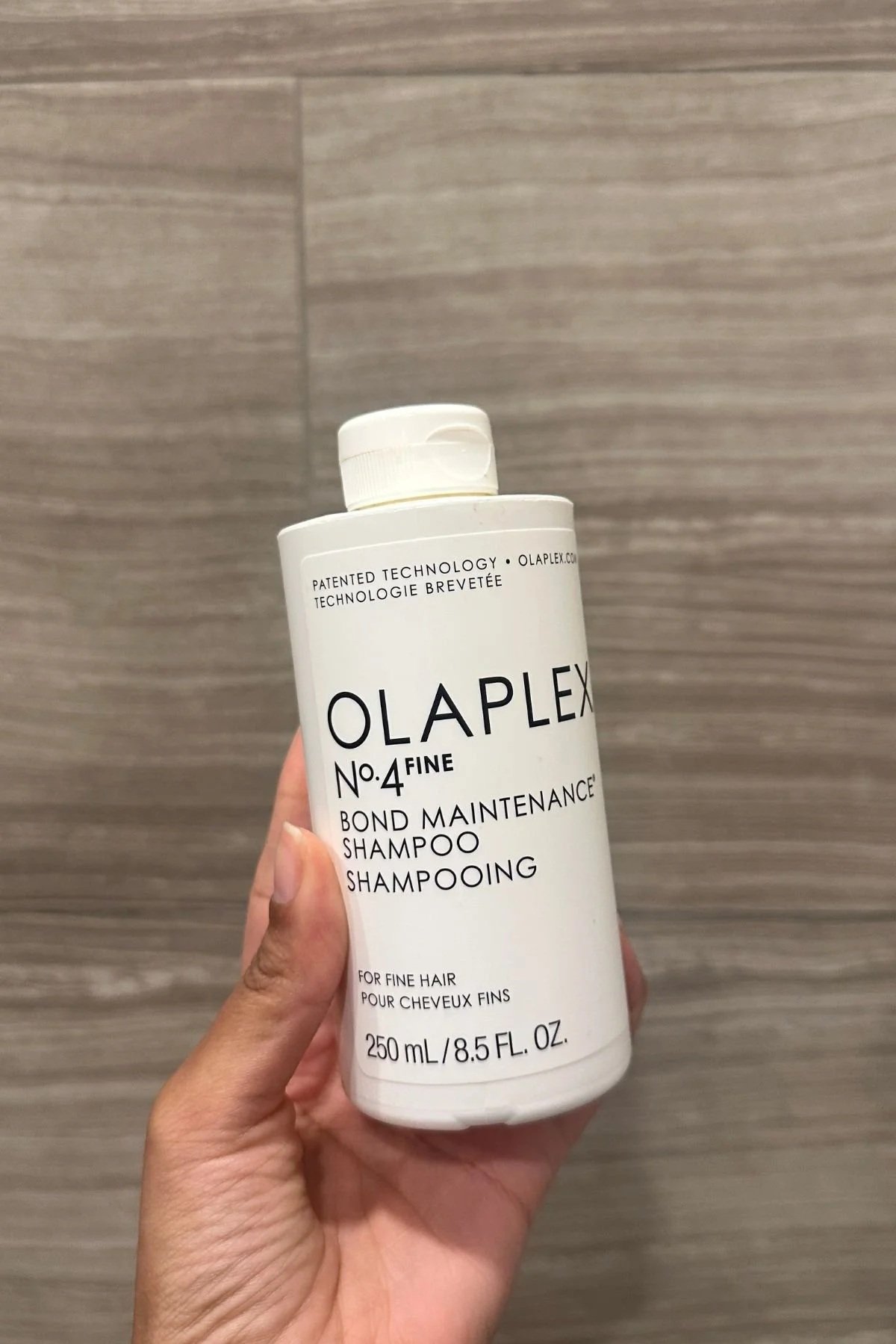
Best Shampoos for Fine Hair

| Product | Why We Recommend It | Buy Here |
|---|---|---|
| Olaplex Nº.4 Fine Bond Maintenance® Shampoo | Great for fine hair that's damaged, bleached, or heat-styled. It strengthens while staying lightweight. | Shop Now |
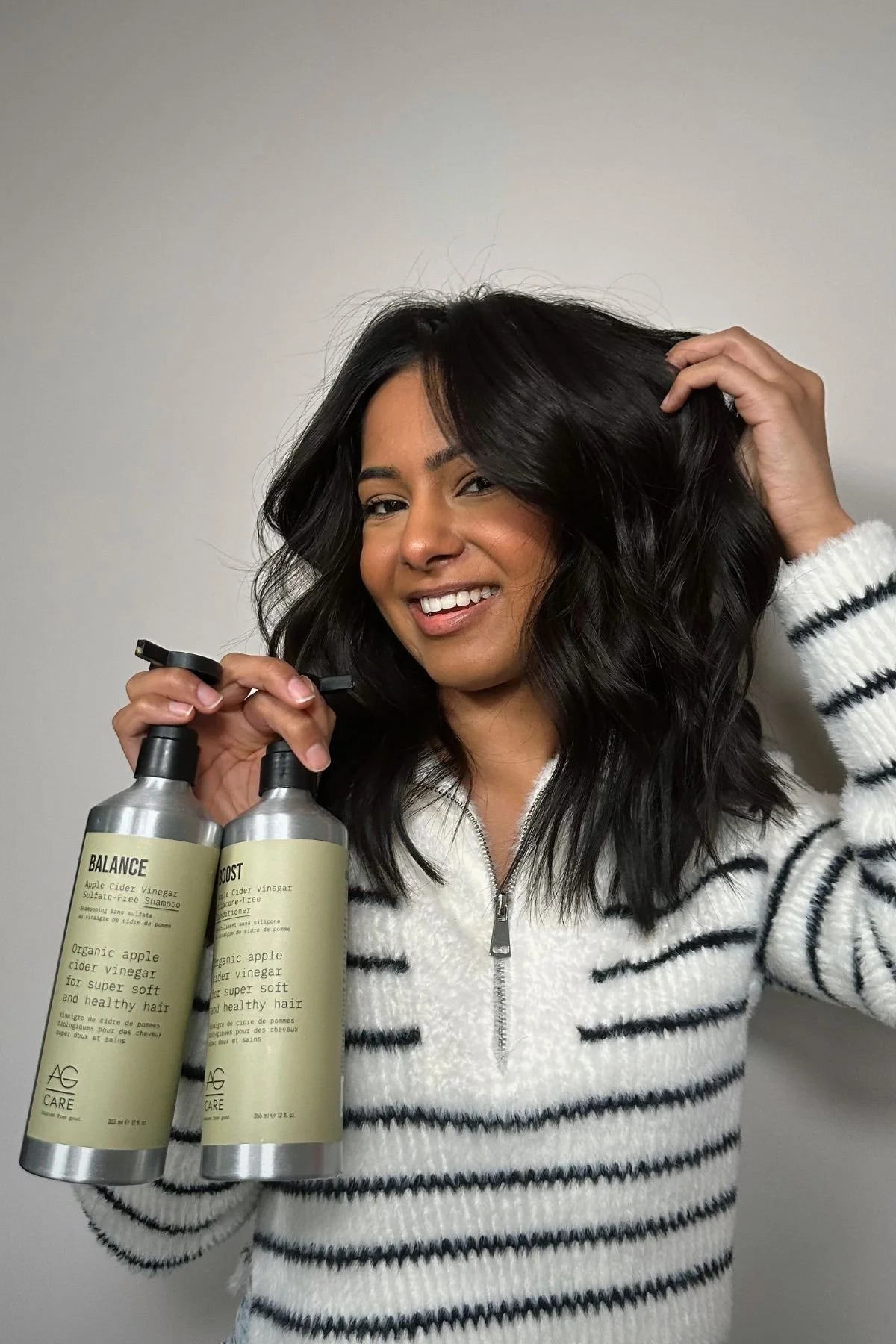
| AG Care Apple Cider Vinegar Shampoo | Perfect for normal to oily scalps or days when you need a deeper cleanse without stripping. | Shop Now |
👉 Check out my How to Use Olaplex at Home guide for the exact routine that makes every step count!
Pro Tip
Shampoo your scalp, not your ends. Your ends get enough rinse-through. Focus the lather at your roots and let gravity do the rest. And always rinse thoroughly; leftover shampoo is the cause of buildup and dullness.
Step 2: Fine Hair Need Conditioner
Yes, fine hair absolutely needs conditioner. Skipping it to avoid flatness? That’s the cause for dry, fragile ends and more breakage in the long run. The key isn’t whether you use conditioner, it’s how you use it.
Here's How to Use Conditioner on Fine Hair
Start with a dime- to a nickel-sized amount (seriously, less is more).
Only apply from the mid-lengths down to the ends.
Avoid your roots unless your scalp is very dry, and even then, just tap in whatever’s left on your hands.
Heavy or rich conditioners can easily smother fine strands, so picking the right formula makes all the difference.
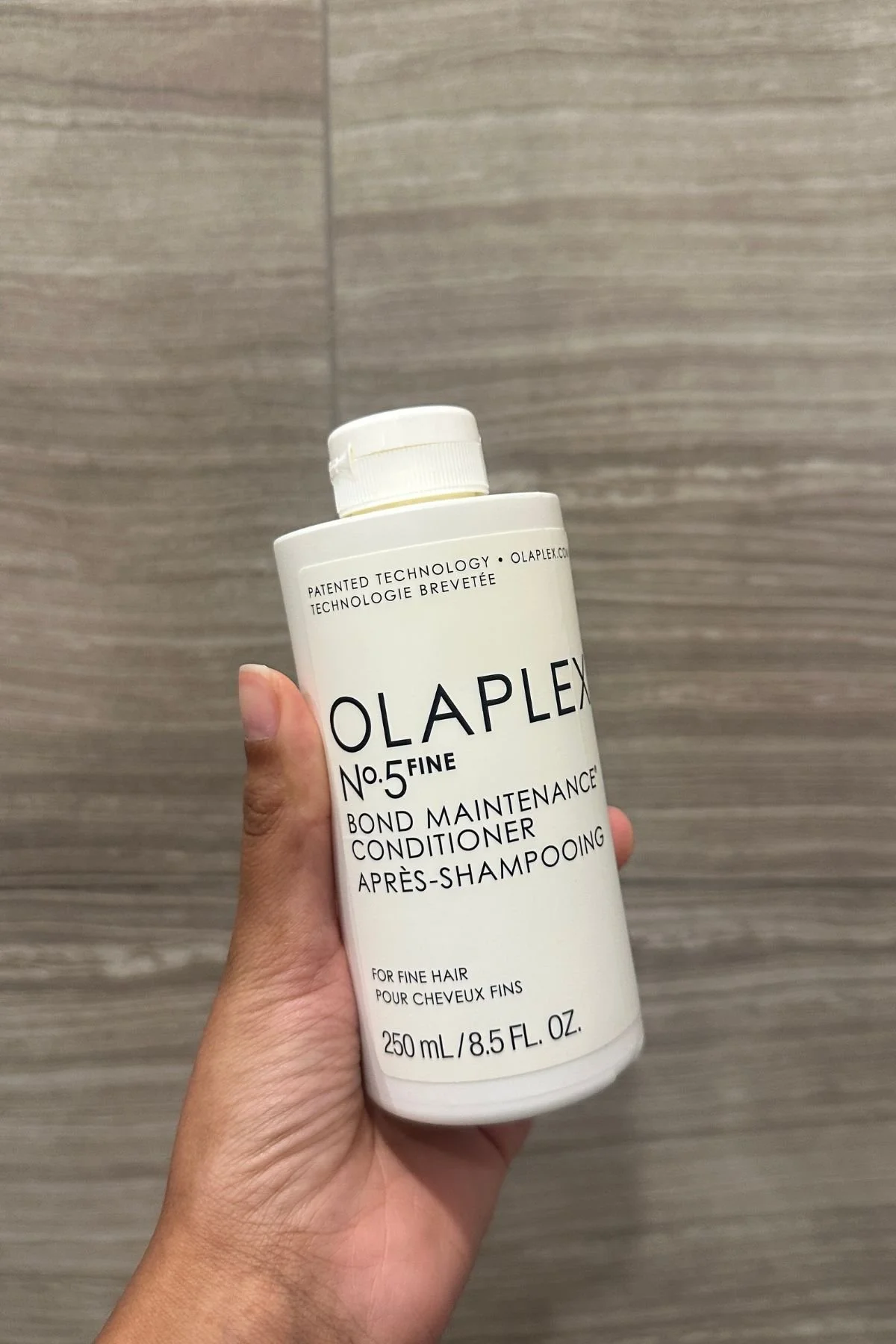
Best Conditioners for Fine Hair

| Product | Why We Recommend It | Buy Here |
|---|---|---|
| Olaplex Nº.5 Fine Bond Maintenance® Conditioner | Lightweight, smoothing, and ideal for color-treated or oily-prone fine hair. Won’t weigh hair down like the original No.5. | Shop Now |
| AG Care Apple Cider Vinegar Conditioner | Hydrating but light. Perfect if your ends are dry or crispy but you want a clean, balanced finish. | Shop Now |
Pro Tip
Your conditioner should feel like it’s melting into your ends, not sitting on top. If it feels slick and hard to rinse, it’s probably too heavy for your hair type.
Step 3: Clarifying Shampoo For Fine Hair
Fine hair gets weighed down fast, not just from heavy products, but even from your usual shampoo, conditioner, and hard water minerals. That’s where clarifying shampoo comes in.
If your hair suddenly starts feeling flat, greasy right after washing, or like nothing is working anymore… It’s probably a buildup. And for fine hair, even a little residue makes a big difference.
How Often Should You Clarify Fine Hair?
For most people with fine or oily hair, once a week is enough. If your scalp is very oily or you use a lot of dry shampoo, you might need it twice a week, but always follow with a hydrating conditioner to keep your ends happy.
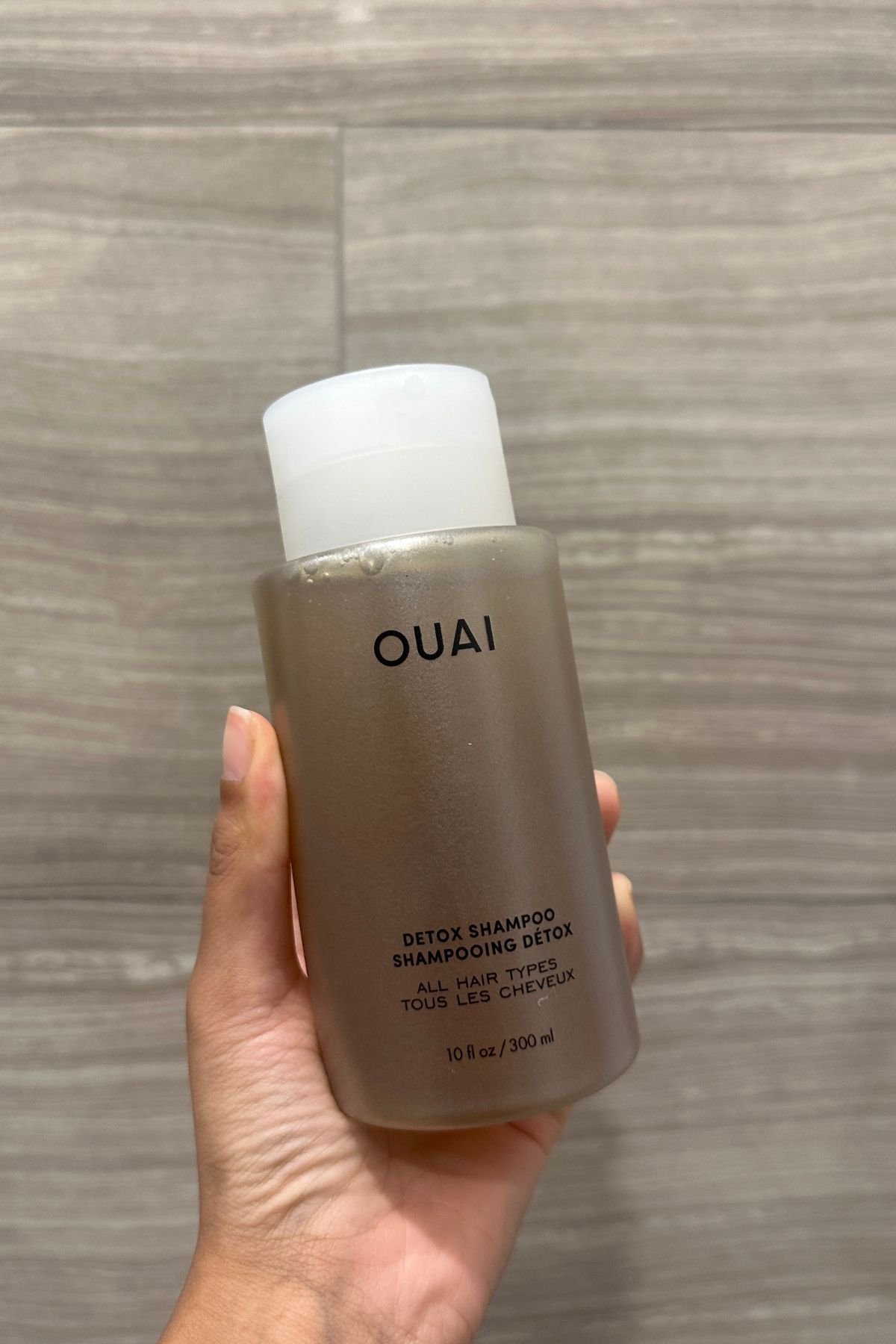
Best Clarifying Shampoos for Fine Hair

| Product | Why We Recommend It | Buy Here |
|---|---|---|
| OUAI Detox Shampoo | A strong detox that cuts through serious grease and buildup. Ideal for super oily scalps or if you use a lot of product. | Shop Now |
| K18 Peptide Prep™ Detox Shampoo | My personal fave. It’s gentler and still leaves your scalp feeling super clean without that “stripped” feeling. | Shop Now |
This one small habit, using a clarifying shampoo once a week, can completely shift how your fine hair behaves. It keeps your strands light, clean, and ready to absorb your styling products the right way.
Step 4: Best Leave-In Conditioners for Fine Hair That Won’t Weigh It Down
Leave-in conditioner is a game-changer for fine hair as long as you pick one that’s lightweight, strengthening, and doesn’t coat your strands. This step is all about prepping your hair for styling (or air drying) while adding protection and softness.
But here’s the catch: most leave-ins are way too rich for fine hair. That’s why I always recommend formulas that feel more like a mist or serum and not a heavy cream.
How to Apply Leave-In Like a Stylist:
Gently towel-blot your hair, no rubbing.
Spray or smooth your leave-in conditioner through the mid-lengths to ends only.
Detangle with your fingers or a wide-tooth comb.
Then move on to your styling routine or air dry.
Best Leave-Ins for Fine Hair
| Product | Why We Recommend It | Buy Here |
|---|---|---|
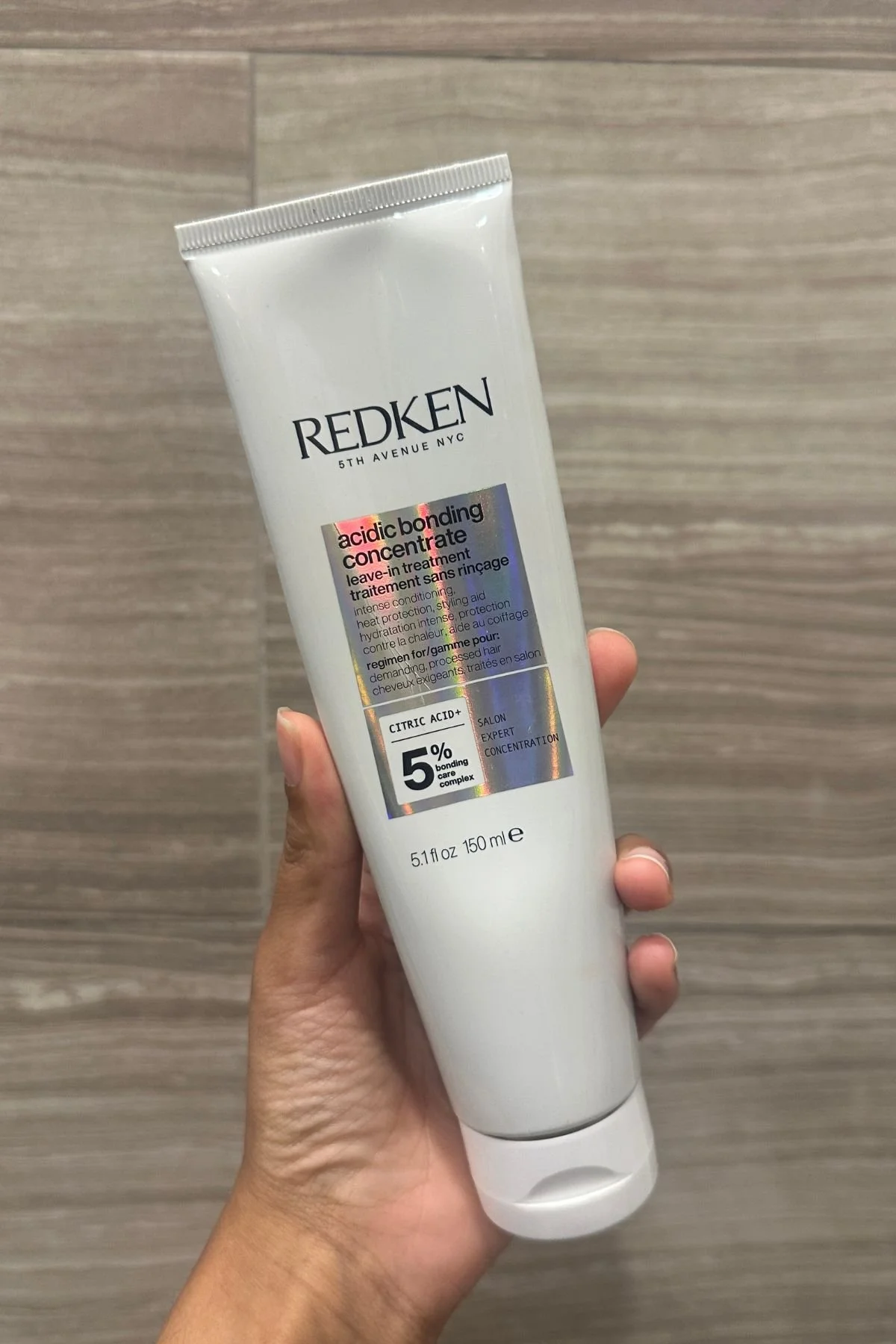
| Redken Acidic Bonding Concentrate Leave-In | Great for bleached, colored, or heat-styled hair. Repairs damage while staying lightweight and non-greasy. | Shop Now |
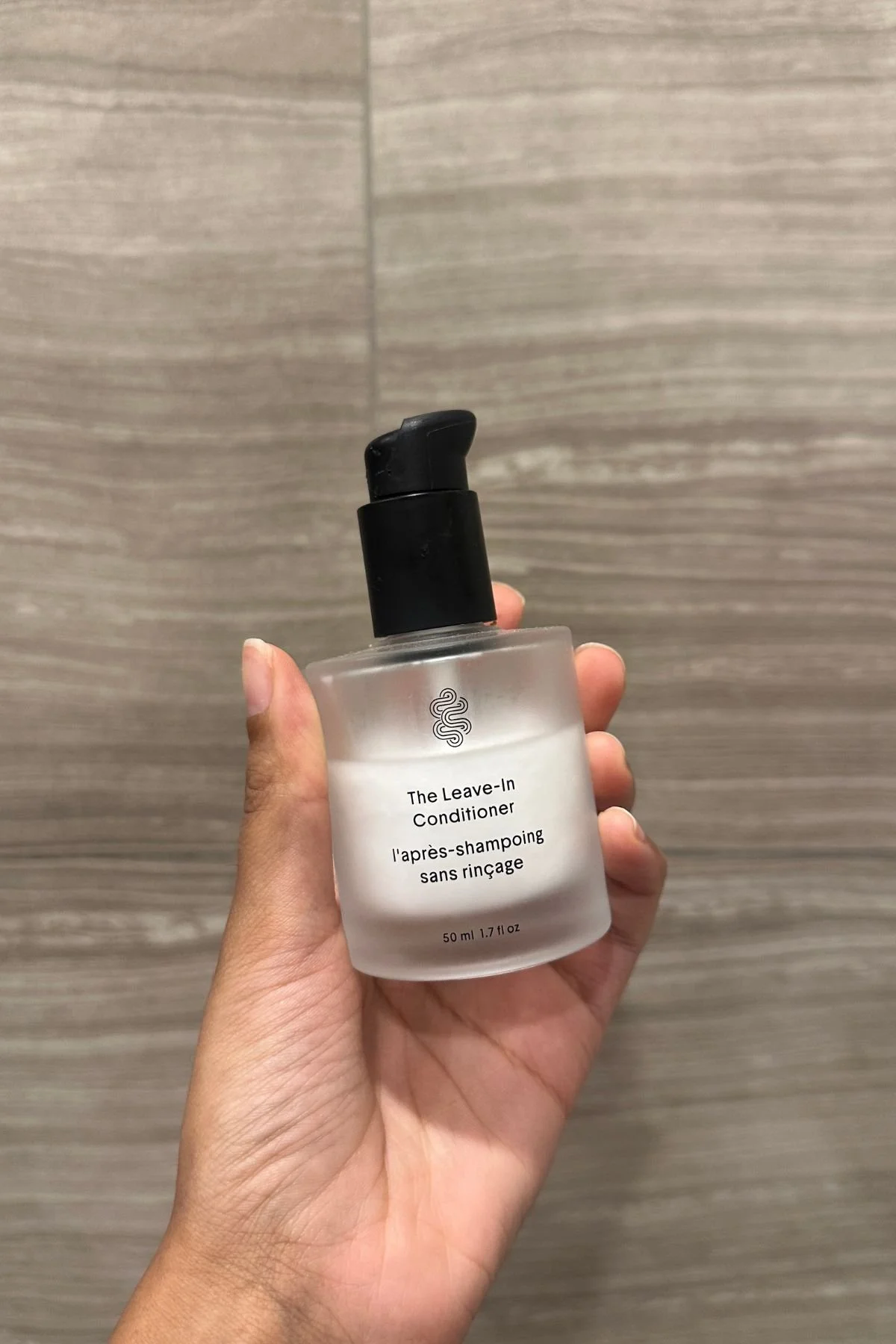
| Crown Affair Leave-In Conditioner | Clean, light, and nourishing. Perfect for everyday shine and frizz control, especially in humid climates. | Shop Now |
Pro Tip
If your leave-in makes your roots greasy by the end of the day, it’s not the right formula, or you’re using too much.
Step 5: How to Care for Your Scalp When You Have Fine Hair
Fine hair volume starts at the scalp. If your scalp is clogged, dry, or constantly irritated, your roots can’t lift, and your strands might not grow in as strongly or as full.
A clean, balanced scalp creates the perfect foundation for lightweight volume and long-term hair health. That’s why I always include scalp care in every fine hair routine I build.
And just like skin, your scalp type matters. The serum you use must match your scalp’s needs.
Best Scalp Serums for Fine Hair (By Scalp Type)
| Product | Why We Recommend It | Buy Here |
|---|---|---|
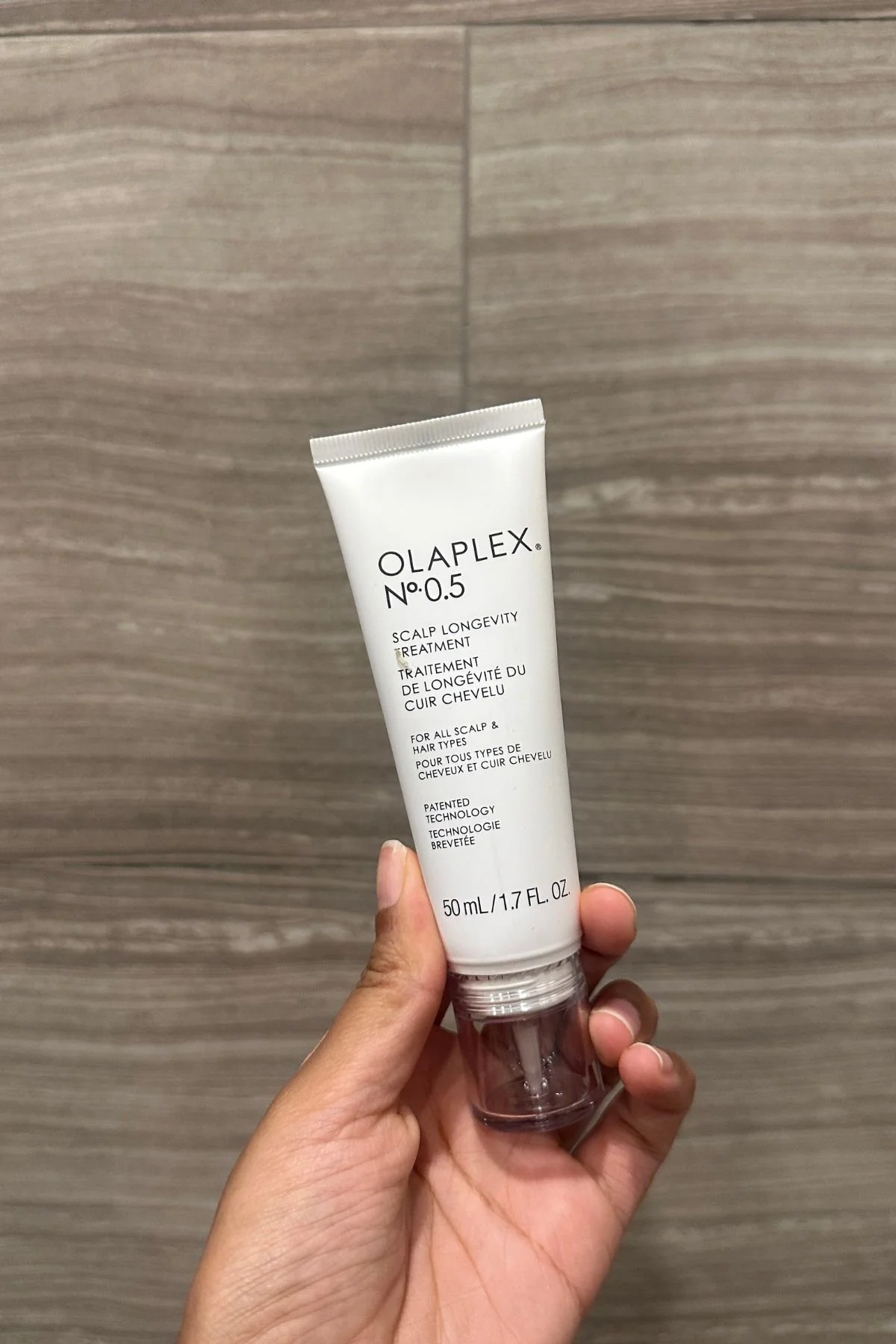
| Olaplex Nº.0.5 Scalp Longevity Treatment | Great all-around option. Lightweight and soothing without buildup. Works well if you’re unsure of your scalp type. | Shop Now |
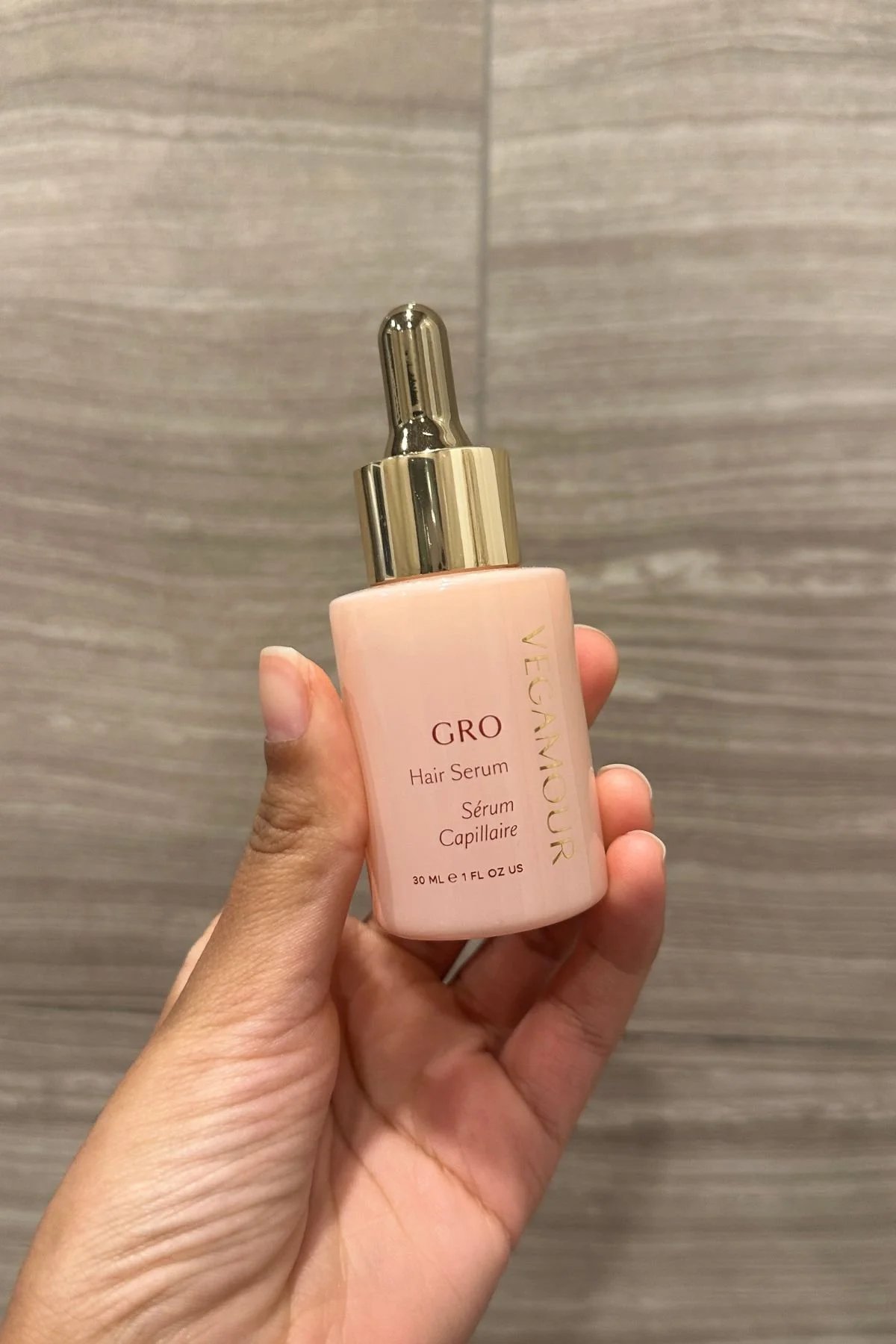
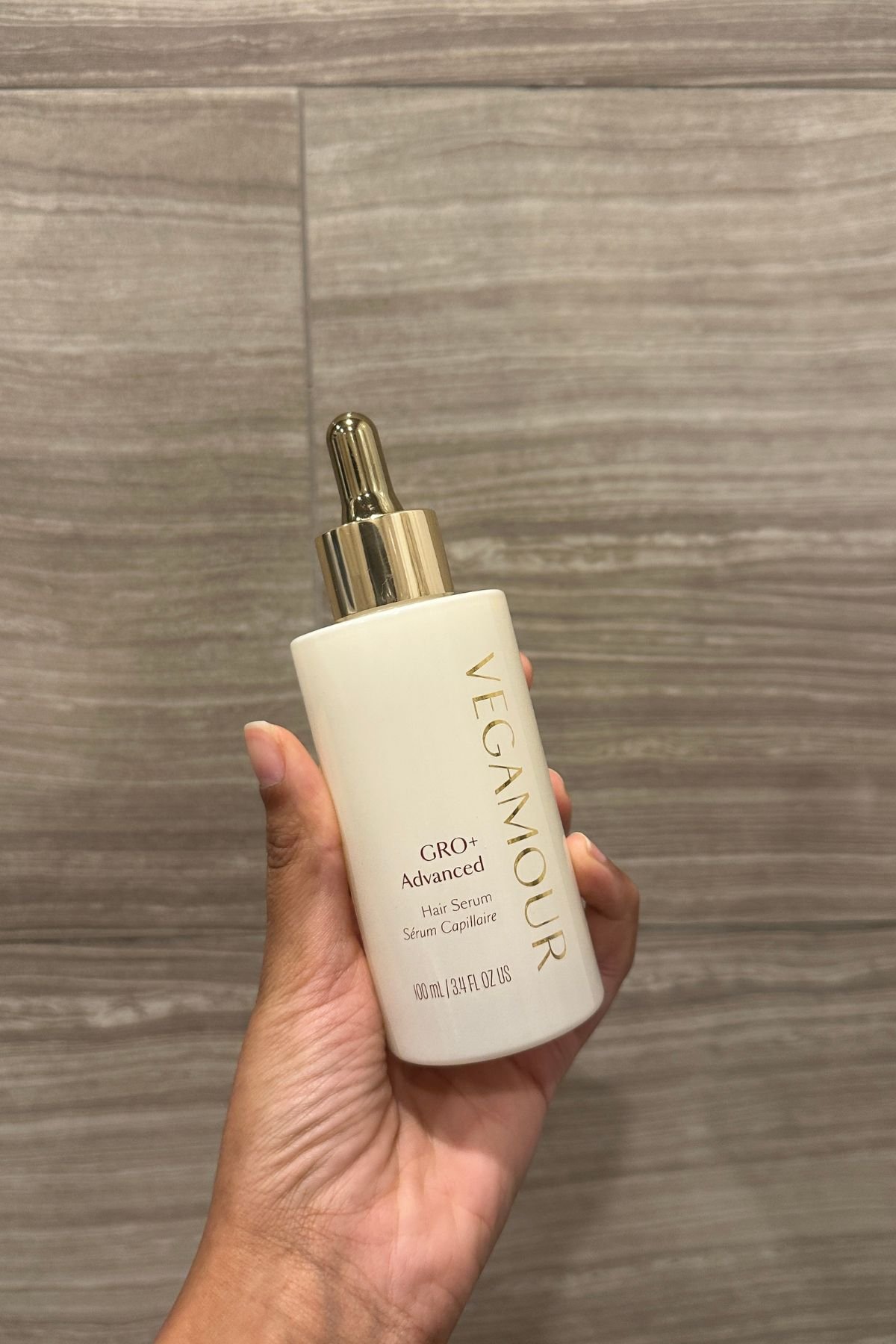
| Vegamour GRO Hair Serum | Ideal for dry scalps that feel flaky or tight. Nourishes without heaviness and supports hair growth over time. | Shop Now |
| Vegamour GRO+ Advanced Hair Serum | Perfect for oily scalps that get greasy fast. Helps reduce oil and buildup while boosting density. | Shop Now |
Pro Tip
If your scalp is dry, lightly tap in any leftover product from your hands into the roots. But if your scalp is oily, keep all product off your roots completely.
| Healthy Hair Essentials: Wash, Repair & Grow |
|---|
| Whether you’re aiming for glossy shine, recovering from damage, or boosting growth — these expert tips and treatment guides will help you get stronger, healthier hair: Discover how tweaks to your routine and targeted treatments can elevate your hair’s health and shine — from root to tip. |
Step 6: Style Fine Hair for Volume Without Crunch
This is where a lot of people with fine hair get stuck. You want volume, movement, maybe a little hold, but everything seems to either make your hair sticky, crunchy, or flat by noon.
The trick? Use styling products that are intentionally lightweight and layer them before heat styling. And never overdo it.
Best Styling Products for Fine Hair
| Product | Why We Recommend It | Buy Here |
|---|---|---|
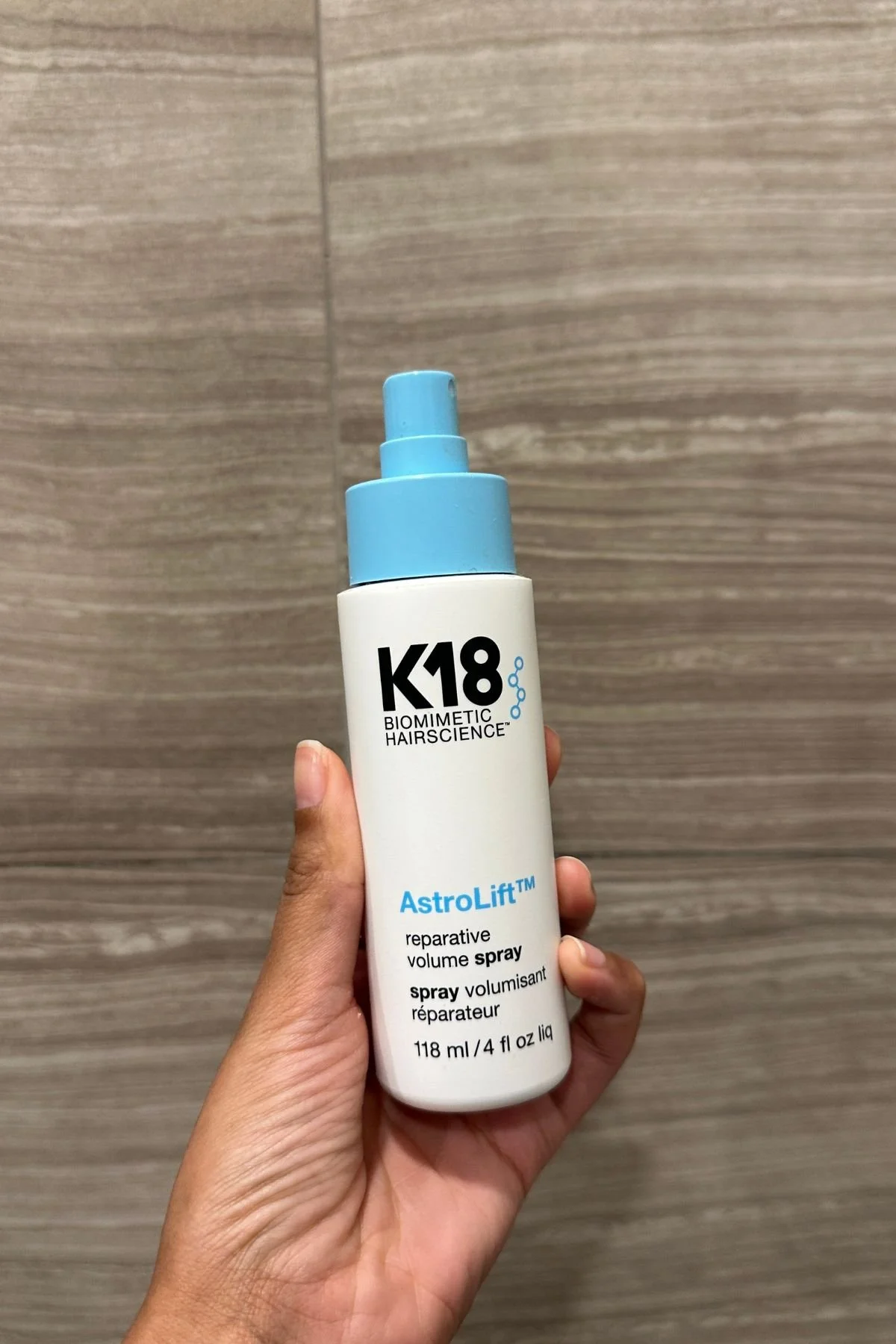
| K18 AstroLift Reparative Volume Spray | Touchable lift on damp or dry hair. Heat-activated formula adds strength + bounce. | Shop Now |
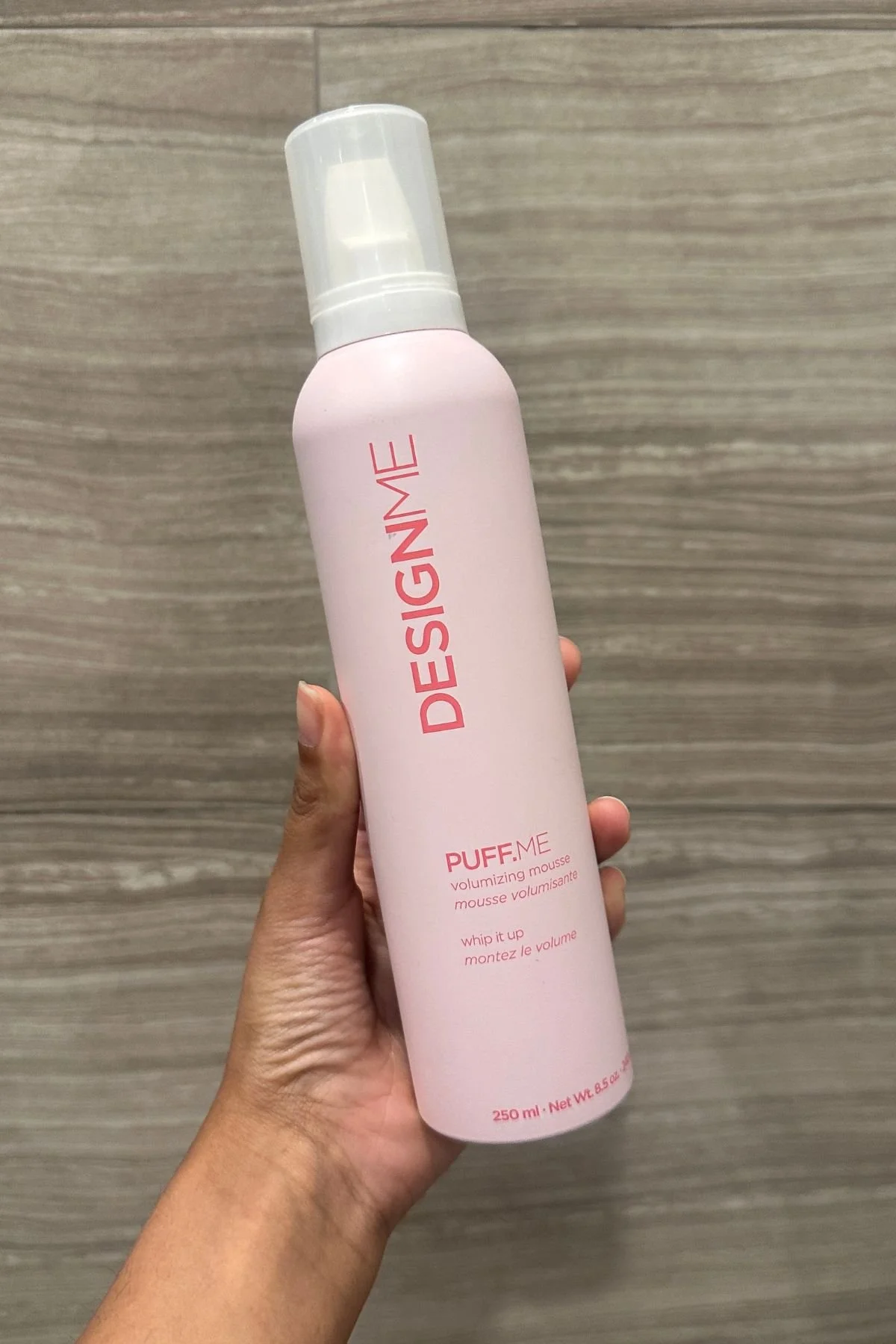
| Design.Me Puff.Me Volumizing Mousse | Airy mousse with great root lift and zero crunch. Delivers that “fluffy” blowout look. | Shop Now |
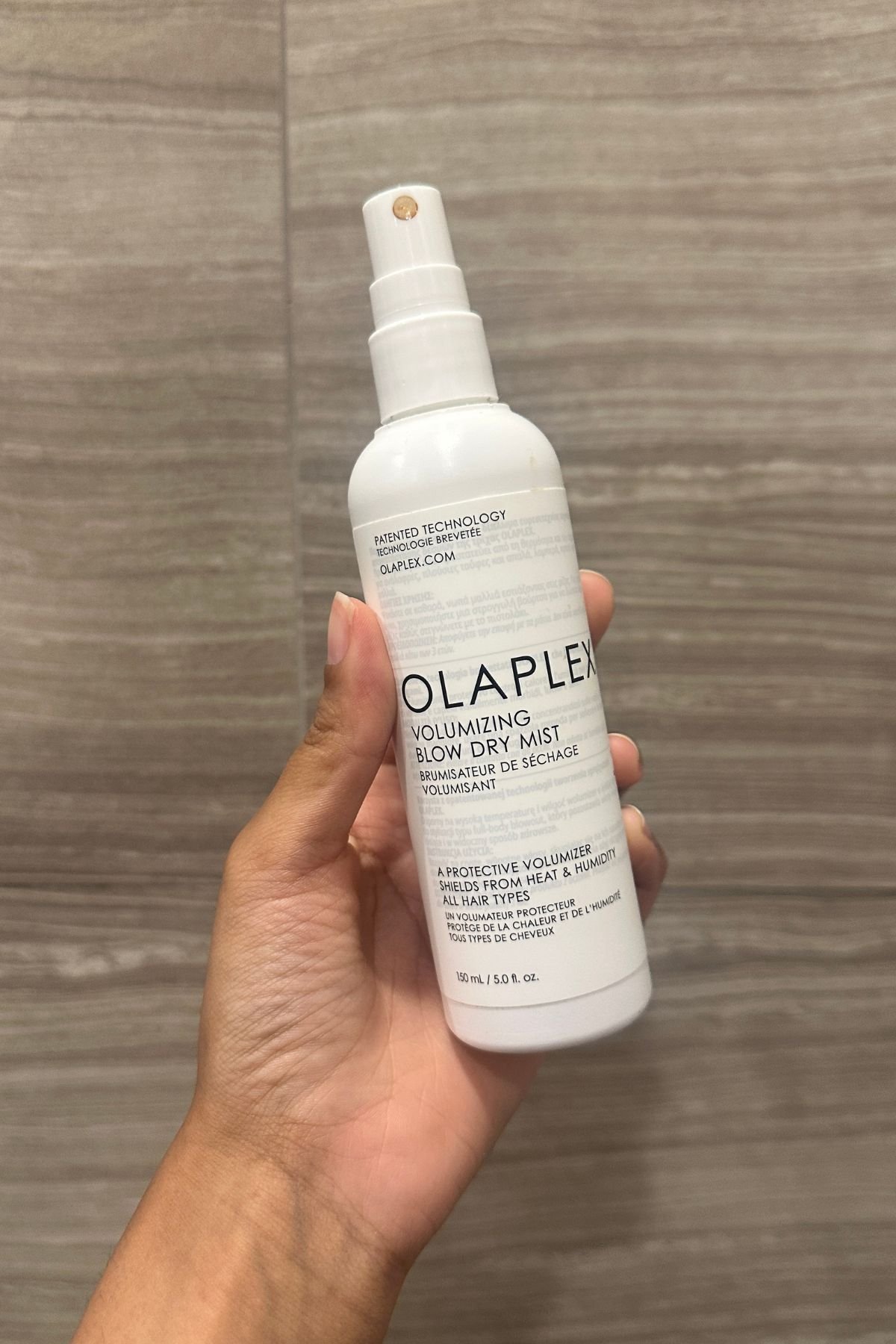
| Olaplex Volumizing Blow Dry Mist | Protects from heat while giving lightweight volume. Ideal for blow-drying prep. | Shop Now |
Step 7: Hair Oil For Fine Hair
Hair oil makes a lot of fine-haired people nervous. And I get it. One drop too many and suddenly your blowout looks like it skipped the shower.
But used correctly, a lightweight oil can give your ends softness, shine, and protection without flattening your volume. You only need to choose the right formula and apply it exactly where your hair needs it, never to the roots.
Best Lightweight Hair Oils for Fine Hair
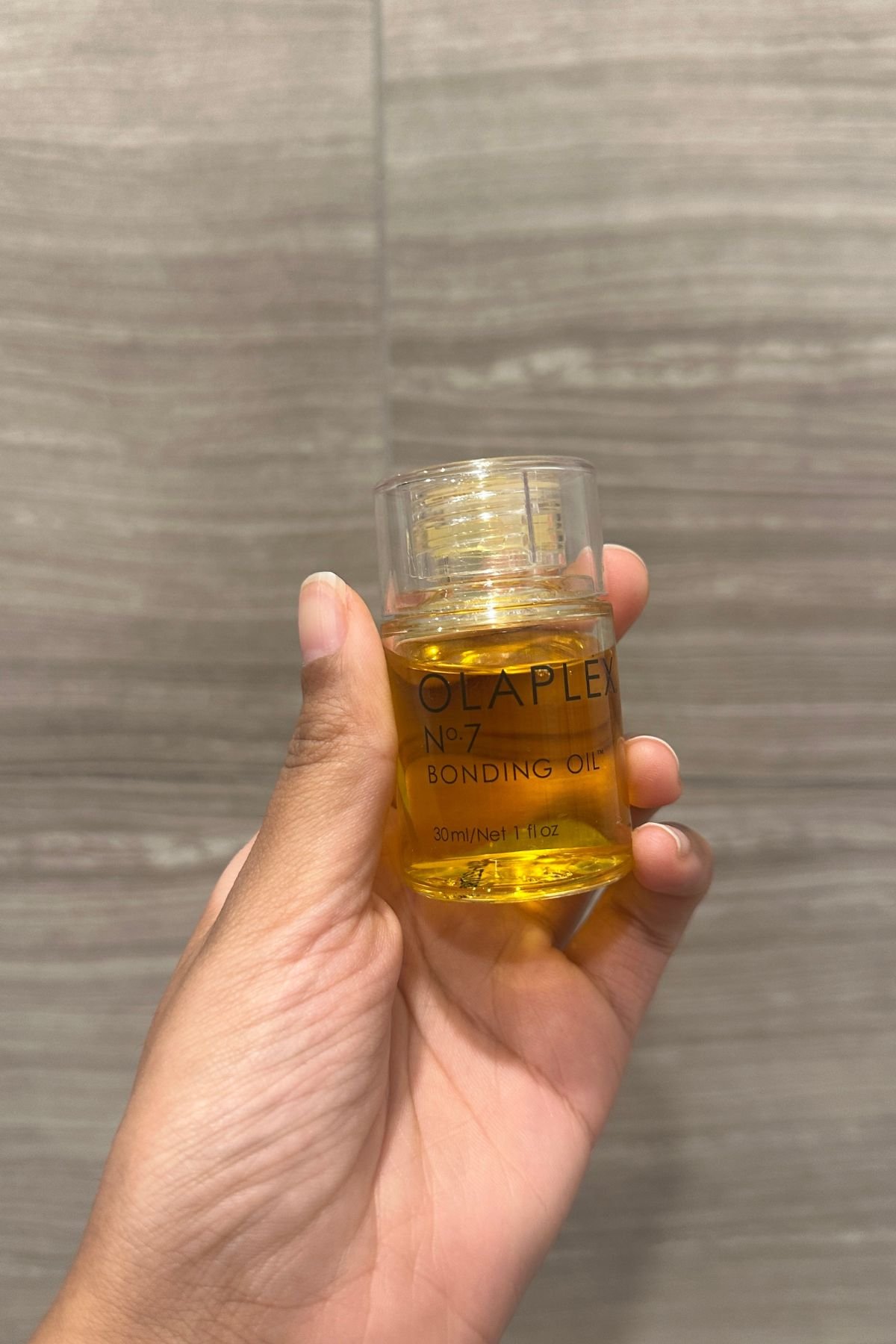
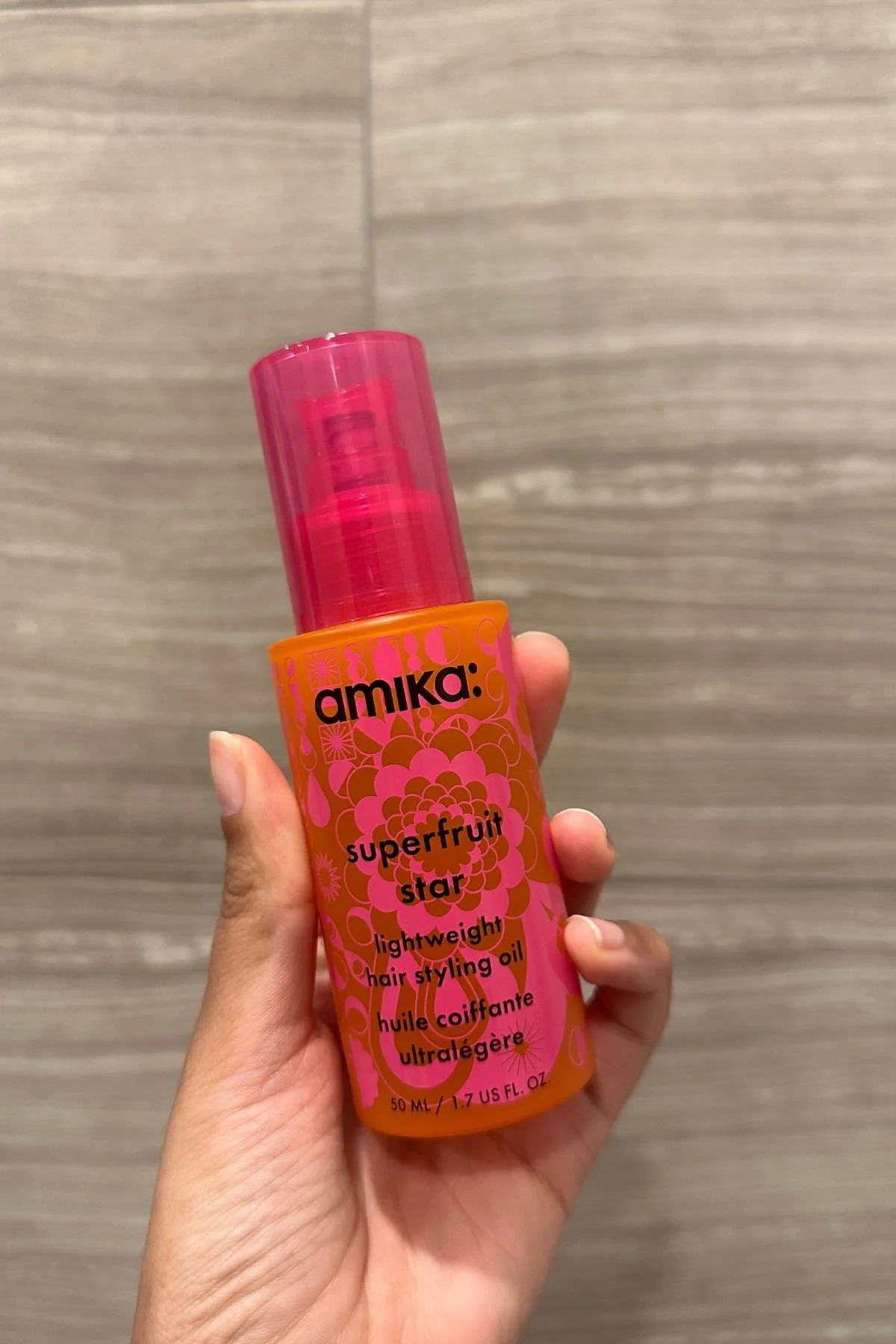
Pro Tip
Only apply oil to the ends, nothing above the ears. Start with one drop, warm it between your hands, then pat it into dry or damp ends.
Fine Hair Mistakes You Have To Avoid
Even with the right products, a few sneaky habits can totally undo your volume and make your hair feel greasy, flat, or fragile. These are the most common mistakes I see and exactly how to fix them.
Using Too Much Heat: Fine hair doesn’t need high heat to style. In fact, cranking up your tools can cause damage fast. Stick to medium or low settings, and always use a heat protectant.
Applying Products at the Roots: Unless it’s a root lifter or scalp treatment, keep everything away from your scalp. Product near the roots = instant grease and zero lift.
Skipping Clarifying Shampoo: If your fine hair always feels heavy or stops responding to your usual routine, it’s probably buildup. Clarify once a week to reset your scalp and strands.
Using Too Much Leave-In or Oil: More product doesn’t mean more protection. It usually just makes fine hair greasy faster. Always start small; a dime-sized amount is usually enough.
Not Adjusting Your Routine Seasonally: Your scalp and ends change with the weather. Use more hydrating conditioners in winter and scalp-balancing products in humid months.
FAQs: Fine Hair Care
What should I avoid with fine hair?
Heavy creams, thick oils, applying product at the roots, high heat, and skipping clarifying shampoo. These all lead to buildup, limpness, and breakage over time.
Does fine hair mean thin hair?
Not exactly. Fine hair refers to the diameter of each strand, while thin hair refers to how many strands you have overall (density). You can have lots of fine strands and still have thick-looking hair.
How can I strengthen very fine hair?
Use bond-repairing treatments like Olaplex or K18, avoid high heat, and get regular trims to prevent breakage. Consistency with lightweight, protein-supportive products makes a big difference over time.
What shampoo should I use on fine hair?
Look for shampoos labeled volumizing, lightweight, or clarifying. Stay away from anything marketed as “deep moisturizing” or “repairing” unless it's specifically designed for fine hair.
Is hair oil good for fine hair?
Yes, but only the right kind. Go for lightweight, dry-feel oils and use just a few drops on your ends. Avoid anything thick or rich, and never apply oil to the roots.
Final Word From Haiirology
When it comes to hair care for fine hair, less is more, but only if you’re using the right steps. From double shampooing to avoiding heavy products near the roots, every choice adds up to strands that feel cleaner, lighter, and fuller for longer.
You don’t need 10 products; you just need the right ones, used the right way.
Tried this routine or still figuring out what your hair needs?
Drop a comment below or DM me on Instagram (@HaiirologyByJen), I’d love to hear what’s working (or help troubleshoot what’s not).
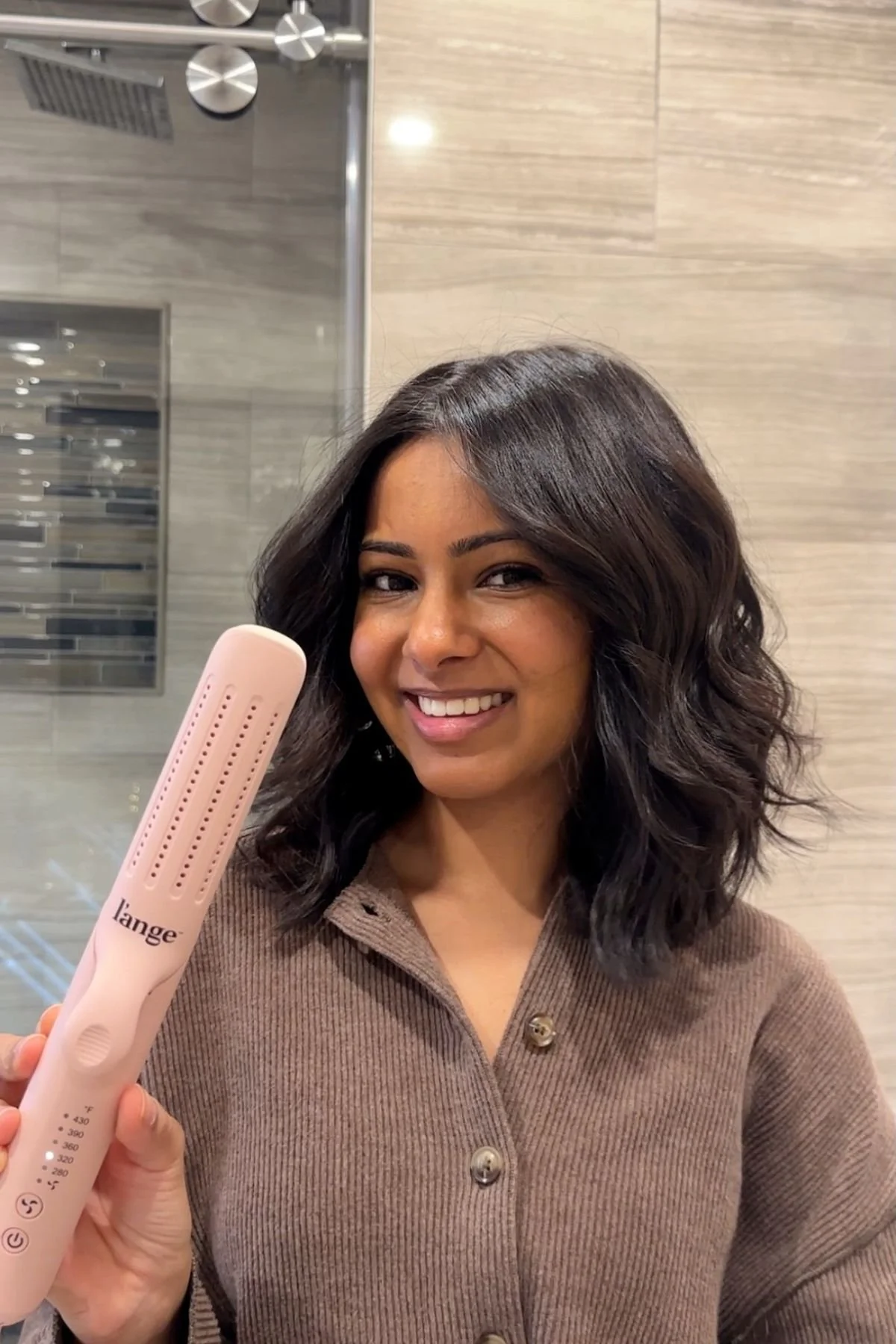





How to curl your hair with a curling iron: step-by-step from my viral video! Beginner-friendly tips, pro tools, and tricks that actually make curls last.