
These 11 Short Layered Haircuts Make Fine Hair Look Fuller
This post may contain affiliate links, which means I'll receive a commission if you purchase through the link at no extra cost to you. Please read the full disclosure here.
TL;DR
Short layered haircuts use layers to remove bulk and add movement to short hair. This guide breaks down 11 salon-approved cuts, including the Textured Pixie, Soft Feathered Bob, French Girl Bob, Chin-Length Shag Bob, Graduated Bob, Jawline Bob with Curtain Layers, and the Hybrid Lob-Pixie (Plob). Each style includes clear descriptions of what the cut looks like and who it suits best, making it easier to choose a layered short haircut that fits your face shape, hair texture, and styling preferences.
Short layered haircuts are short cuts with built‑in layers that remove weight and add shape, movement, and volume. I reach for them in the salon when someone says, “My hair feels bulky and boring, but I don’t want to go too short.”
If your hair sits above your shoulders and still feels flat, heavy, or like a triangle, layers are usually the missing piece. The right layering pattern can:
Stop thick hair from puffing out at the sides
Help fine hair look fuller at the roots
Give aging hair a softer, lifted frame around the face
Turn a basic bob or pixie into a low maintenance short layered haircut you can style in minutes
I’ve spent over ten years cutting short to medium‑short hair, and I see the same problems repeat: too much weight in the wrong areas, layers that are chopped instead of blended, or fringe that fights your natural texture.
In this blog post, I’m walking you through 11 short layered haircuts I use behind the chair, which each one suits best, and the exact kind of layers and fringe to ask your stylist for so you leave with a cut that fits your hair, your routine, and your styling comfort level.
Choose the Right Short Layered Haircut for Your Hair
Before you save photos or book a chop, this part matters more than most people realize. Short layered haircuts only work when the layers are placed with your hair goals in mind, not just what looks good on Pinterest.
Here’s how I help clients narrow it down in the salon:
If your hair feels bulky or boxy: You need layers that remove weight from the interior, not stacked layers at the ends.
If your hair falls flat on top: Go for subtle crown layering to create lift where you actually need it. This is especially helpful for fine hair or hair that’s starting to lose density.
If you want something low-maintenance: Try fewer layers at the perimeter, clean lines, and movement that still looks good air-dried.
If you’re considering fringe: Connect bangs naturally into the rest of the cut. The fringe should support the layers, not sit on top of them like a separate haircut.
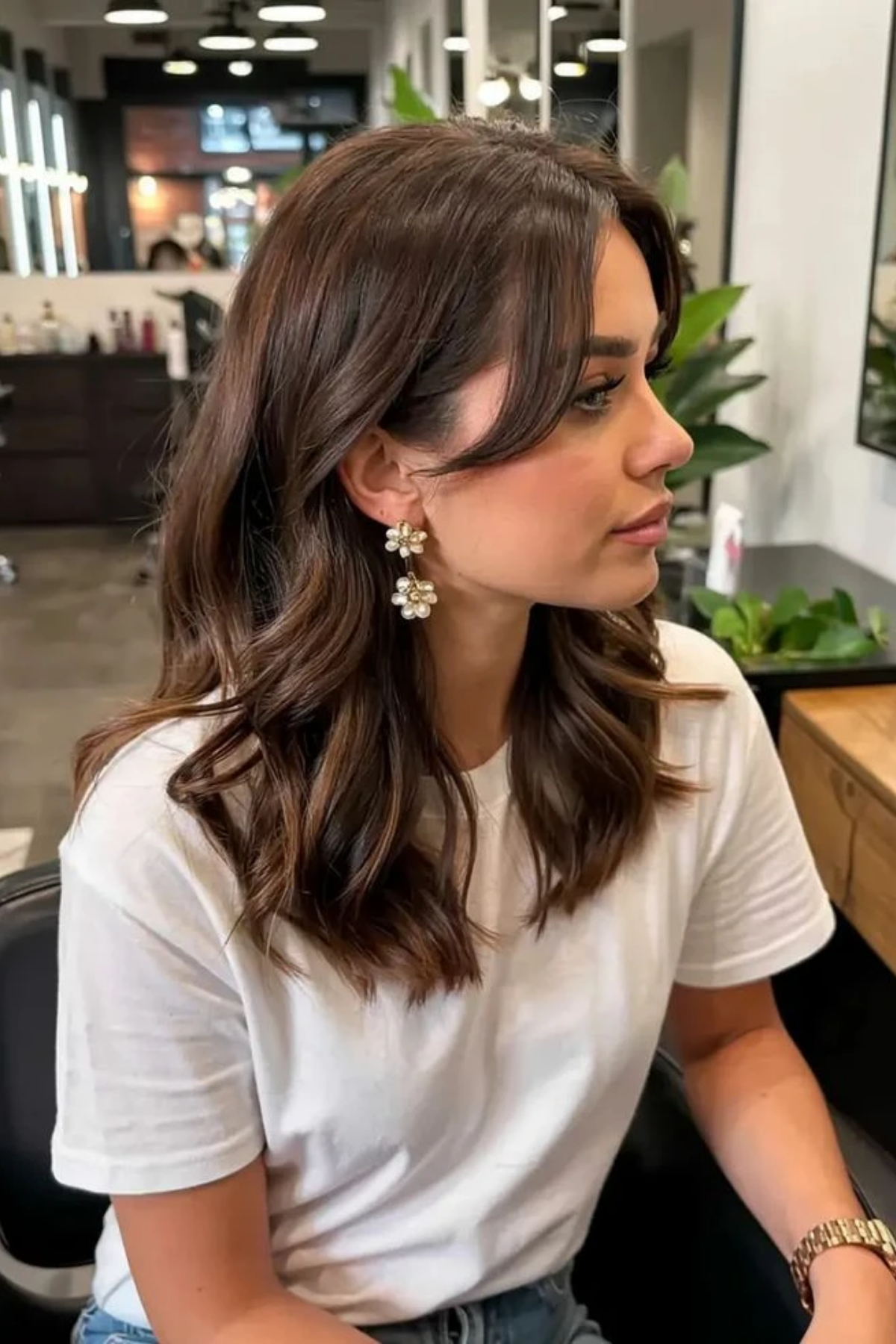
If you’re between lengths: Medium short layered haircuts (sitting between the chin and collarbone) are a great option if you want flexibility but still want the benefits of layering.
11 Short Layered Haircuts (Recommended by Pro Stylist)
Now, I’ll walk you through 11 short layered haircuts I actually use behind the chair and explain who each one works for, how it behaves as it grows, and what makes it different from the rest.
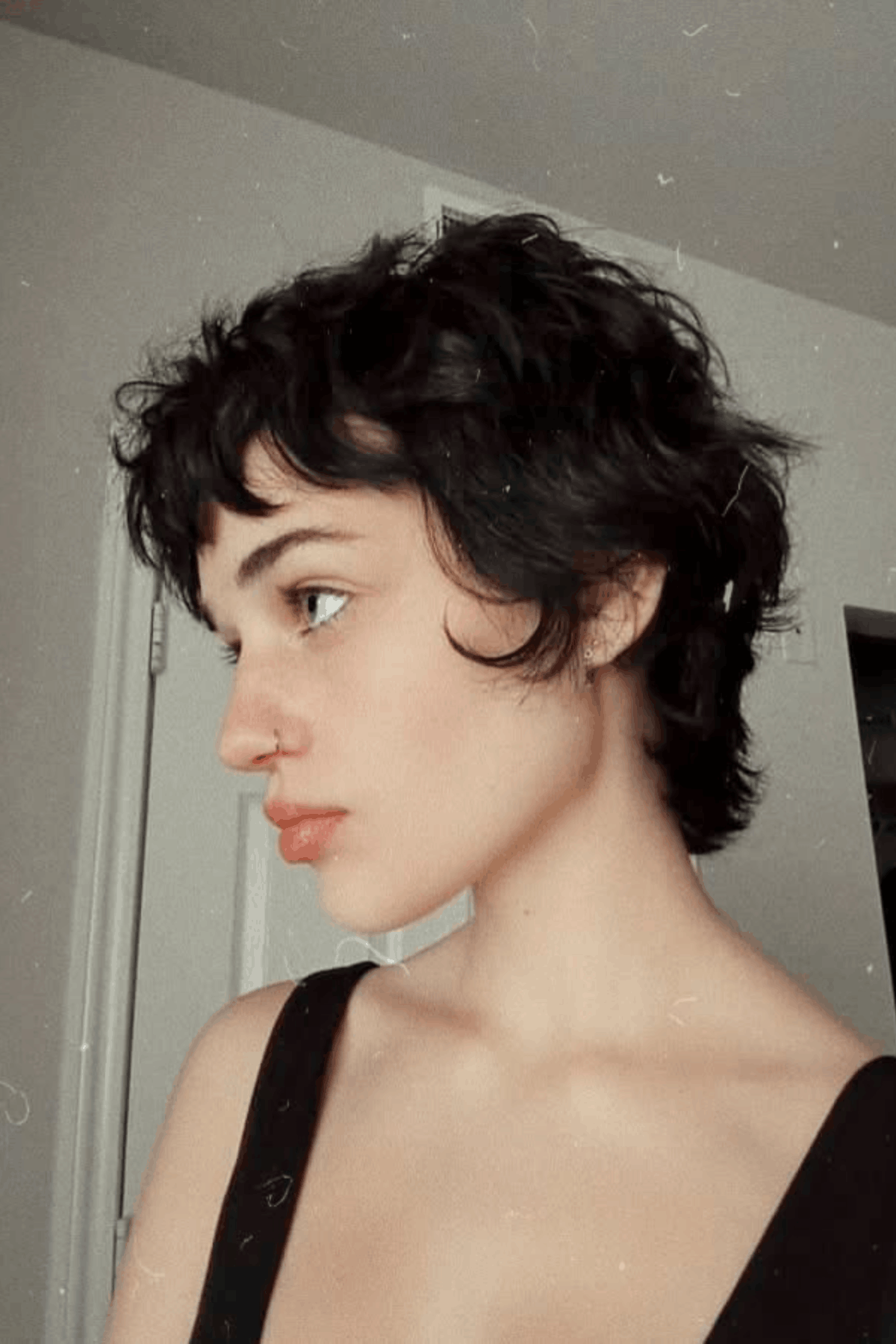
The Textured Pixie with Crown Volume
Source: Instagram
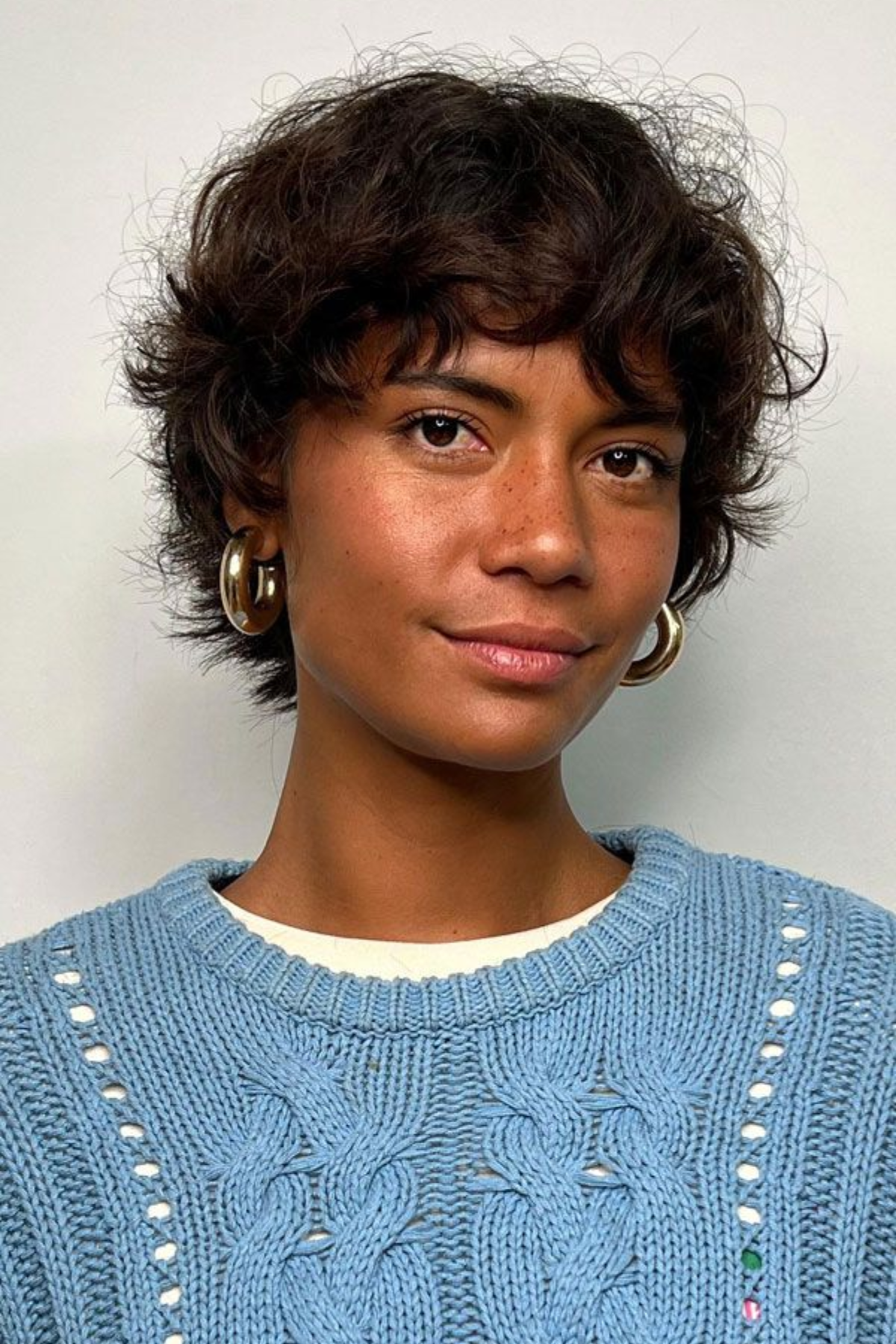
This cut is short, but it’s not flat or tight to the head. The length stays soft through the top while the layers are concentrated at the crown to create lift and shape. When done correctly, it gives movement without looking spiky or over-layered.
Best Suited For: Fine to medium hair that collapses at the crown. Great for anyone who wants a short haircut that still feels feminine and flexible, especially clients who don’t want to style for more than a few minutes.
What to Ask Your Stylist:
Layers: Ask for soft crown layers, not razor-thin ends.
Length: Keep enough length on top to move and part.
Finish: Blended, not choppy.
Bangs: Optional; short side fringe works well if you want softness.
Pro Tip
Apply volume spray only at the roots, then blow-dry with your fingers while slightly over-directing the crown to one side. Once dry, let it fall back naturally for a soft lift that doesn’t look styled.
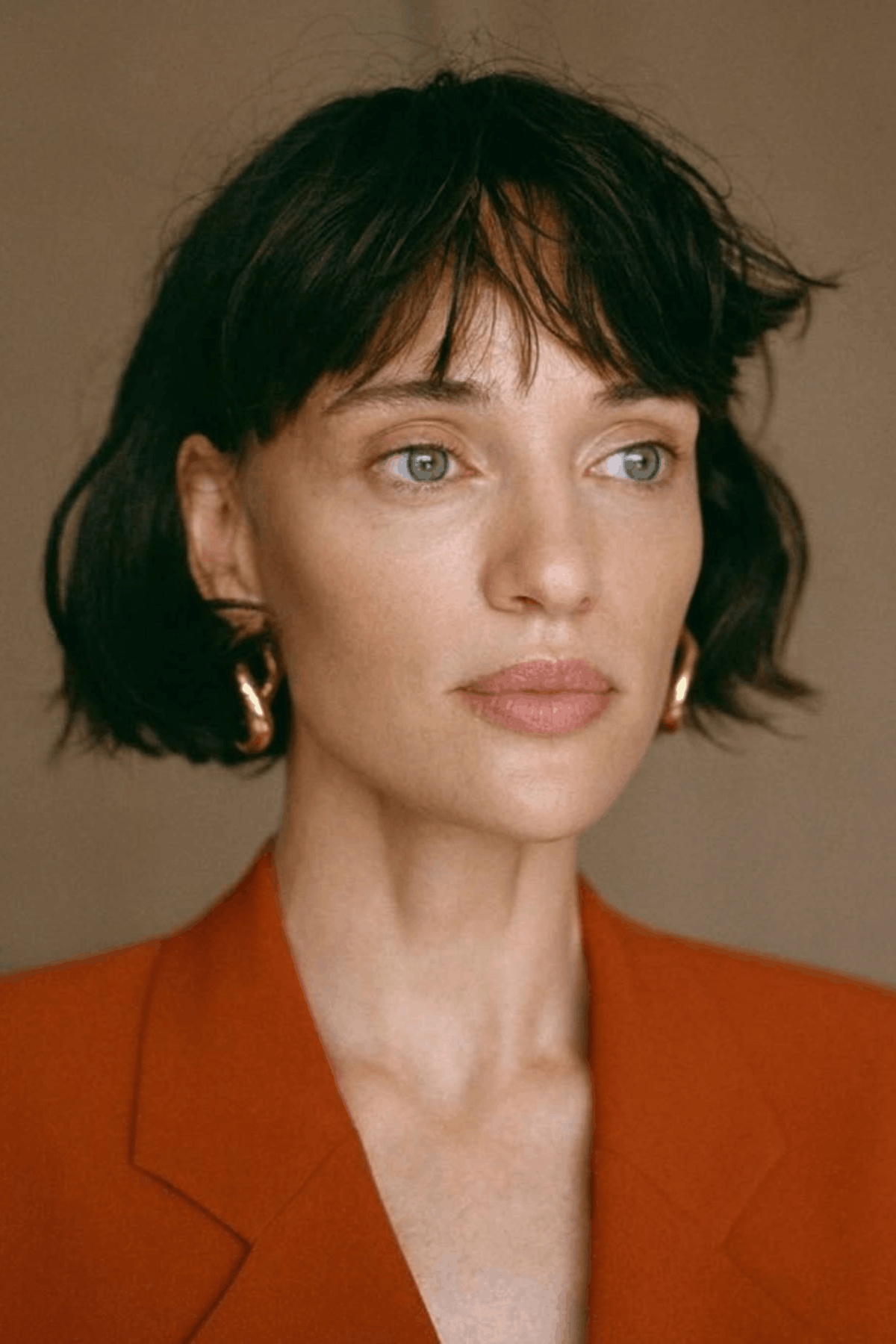
The Soft Feathered Bob
Source: Instagram
This is a bob that sits between the jawline and chin, with light, feathered layers through the interior and around the perimeter. The ends are tapered and airy rather than blunt, and the layers fall downward so the shape stays soft and rounded from front to back.
Best Suited For: Fine to medium hair that looks heavy or stiff at the ends. Ideal for anyone who wants a soft shape without obvious layering, especially clients who prefer a short, clean look with minimal daily styling.
What to Ask Your Stylist:
Layers: Soft, feathered interior layers with no stacking.
Length: Light perimeter, not blunt or squared.
Finish: Diffused ends using point cutting.
Bangs: Optional; works with a soft side bang or no fringe.
Pro Tip
When blow-drying, use a flat brush and direct the airflow downward while slightly bending the brush at the ends. This keeps the feathered layers smooth but lets the tips separate naturally instead of flipping out or collapsing.
The Layered French Girl Bob

Source: Instagram
This French bob typically sits at or just below the jawline with soft, internal layers that keep the shape loose and slightly undone. The perimeter is clean but not sharp, and the layers are subtle enough that the haircut still reads as one length when worn naturally. It’s often paired with a relaxed fringe or curtain-style front pieces that blend into the cut.
Best Suited For: Straight to slightly wavy hair with natural movement, especially hair that looks stiff or too “perfect” when cut bluntly. Ideal for clients who air-dry often or prefer minimal styling.
What to Ask Your Stylist:
Layers: Invisible internal layers, not stacked or chunky.
Length: Jaw-length with softness through the perimeter.
Finish: Natural, lived-in texture, not overly polished.
Bangs: Optional; a soft fringe or curtain bangs that melt into the sides.
Pro Tip
Style this cut starting on slightly damp hair, not fully dry. Apply a lightweight styling product that gives the hair volume while protecting against frizz. Rough-dry with your fingers, and stop once the hair is about 90% dry. Letting the last bit air-dry keeps the layers relaxed instead of overly smooth.
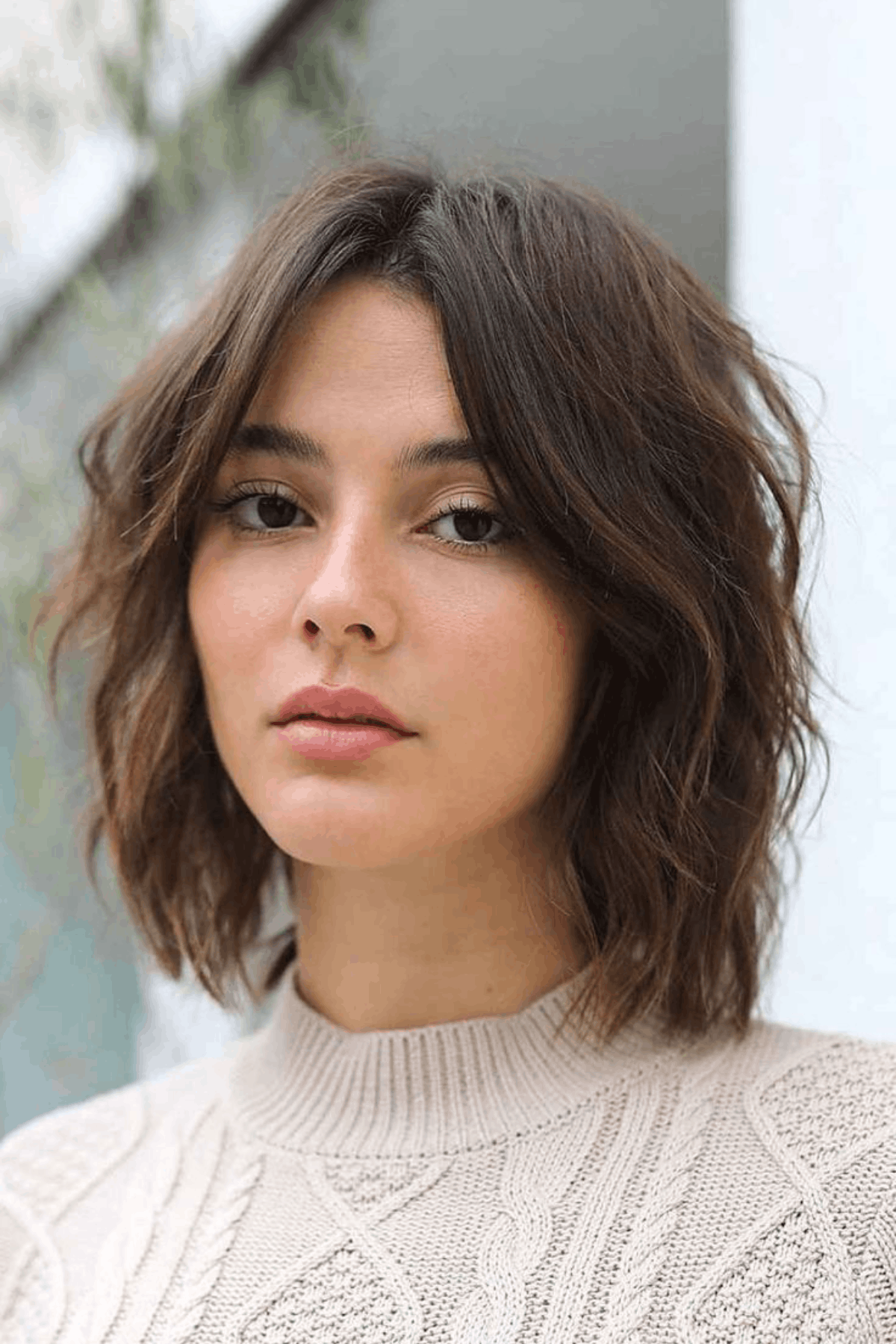
The “Airy Ends” Micro Layer Cut
Source: Pinterest
This haircut sits anywhere between the chin and the collarbone, with very fine micro-layers placed only through the ends. The top and mid-lengths remain mostly one length, while the perimeter is lightly broken up so the ends look airy rather than solid or heavy.
Best Suited For: Fine to medium hair that looks blunt or weighed down at the bottom, especially short hair that loses shape but doesn’t need volume at the crown. Ideal for anyone who wants layers without seeing obvious layering, just subtle movement.
What to Ask Your Stylist:
Layers: Micro layers only through the ends, not the crown.
Length: Keep the top one length with light perimeter softness.
Finish: Minimal texturizing; no razors or heavy thinning.
Bangs: Optional; works best with longer face-framing pieces.
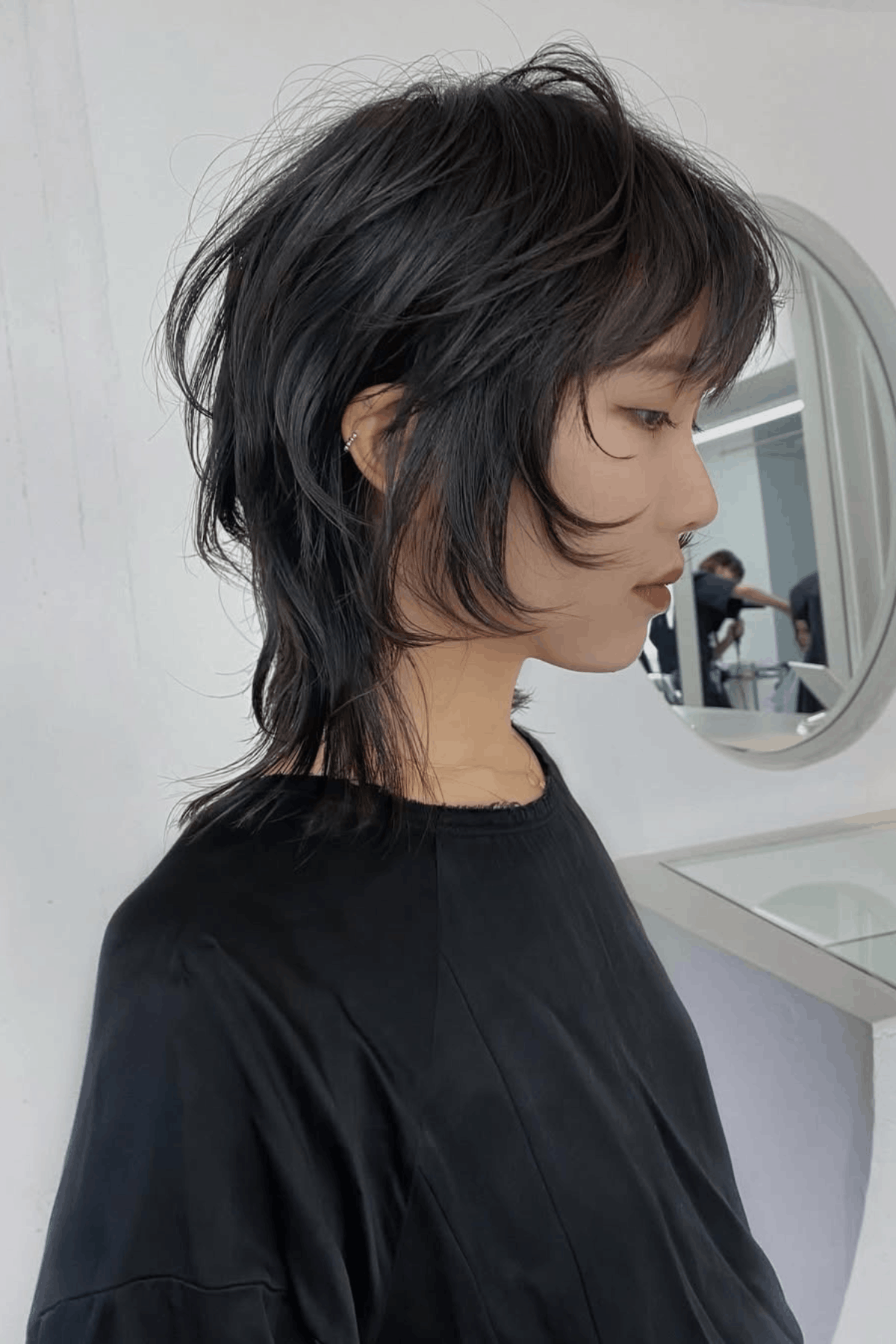
The Chin-Length Shag Bob
Source: Instagram
This haircut hits right at the chin, with short, choppy layers through the crown and interior that create a slightly shagged shape. The ends are textured rather than blunt, and the front is often softly disconnected, so the cut feels light and fragmented rather than structured.
Best Suited For: Wavy or naturally textured hair that feels heavy or puffy at the jawline. Ideal for clients who prefer an undone, casual finish with movement rather than polish.
What to Ask Your Stylist:
Layers: Short, shag-style layers through the crown and interior.
Length: Chin-length with a textured, irregular perimeter.
Finish: Point cutting or razor work for separation.
Bangs: Optional; works well with a wispy fringe or soft curtain bangs.
Pro Tip
Scrunch a Lightweight Volume Moose into damp hair, then diffuse with your head tilted slightly forward. This encourages the crown layers to lift while keeping the ends from flipping outward at the chin.
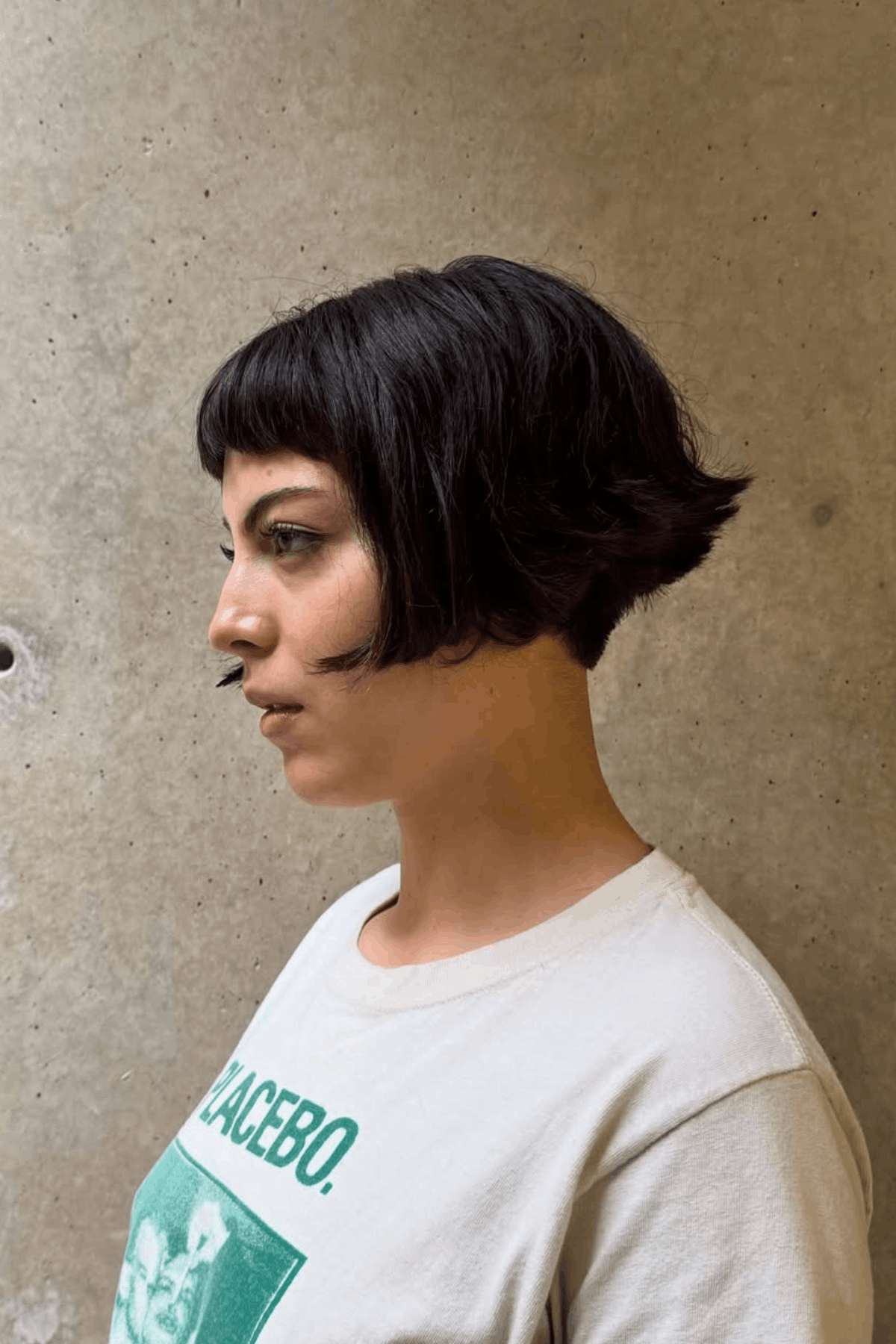
The Cropped Cut with Side Fringe
Souce: Instagram
This haircut is cropped close through the nape and sides, with slightly more length left on top for movement. A side fringe is cut diagonally and blends into the longer top layers, creating a soft sweep across the forehead rather than a straight bang.
Best Suited For: Straight to slightly wavy hair that holds shape easily, especially short hair that looks flat or lifeless at the top. Great for anyone who styles with minimal heat but still wants direction and movement in the hair.
What to Ask Your Stylist:
Layers: Short layers through the top with clean, blended sides.
Length: Cropped nape with enough length on top to style.
Finish: Soft, controlled texture; nothing spiky.
Bangs: Side fringe that connects into the top layers, not a heavy bang.
| Short Haircuts and Styling Resources |
|---|
| Get inspired with short haircut ideas and find helpful styling tips: Explore these expert resources to find the style and tools that work for your short hair. |
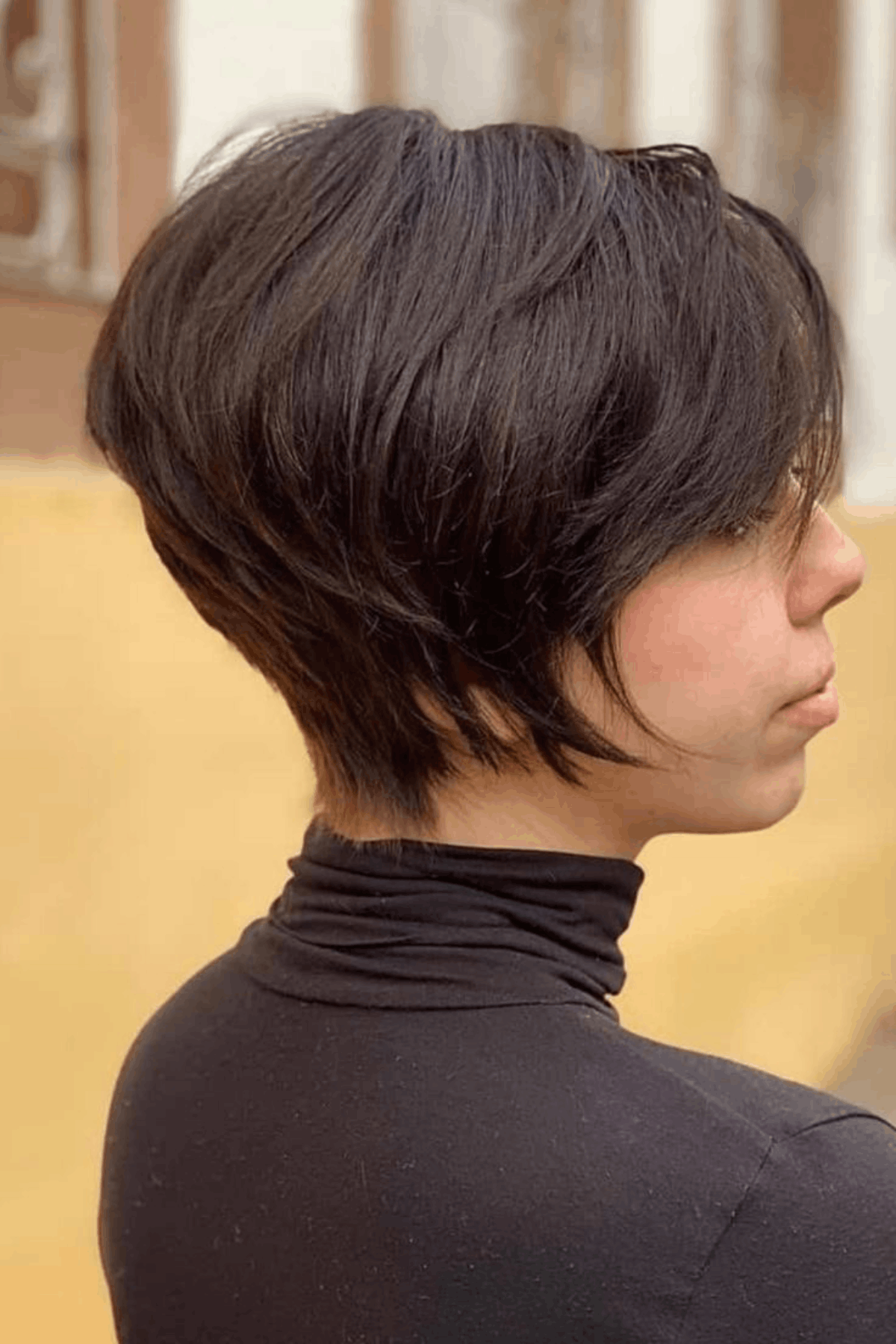
The Long Pixie with Tapered Neck
Source: Pinterest
This is a pixie cut with extra length left through the top and crown, while the neckline is tapered and closely shaped. The top layers are longer and directional, allowing the hair to move forward or to the side, while the back sits clean and close to the head.
Best Suited For: Fine to medium hair that needs movement without bulk, especially short hair that grows out quickly at the nape. Ideal for clients who want a pixie but still like having styling options.
What to Ask Your Stylist:
Layers: Longer layers through the top with controlled graduation.
Length: Tapered nape that hugs the neck.
Finish: Clean and blended; no hard disconnections.
Bangs: Optional; longer front pieces can replace a traditional fringe.
Pro Tip
Style the top by blow-drying it in the opposite direction you plan to wear it, then flip it back once dry. This creates natural lift and separation without needing teasing or heavy product.
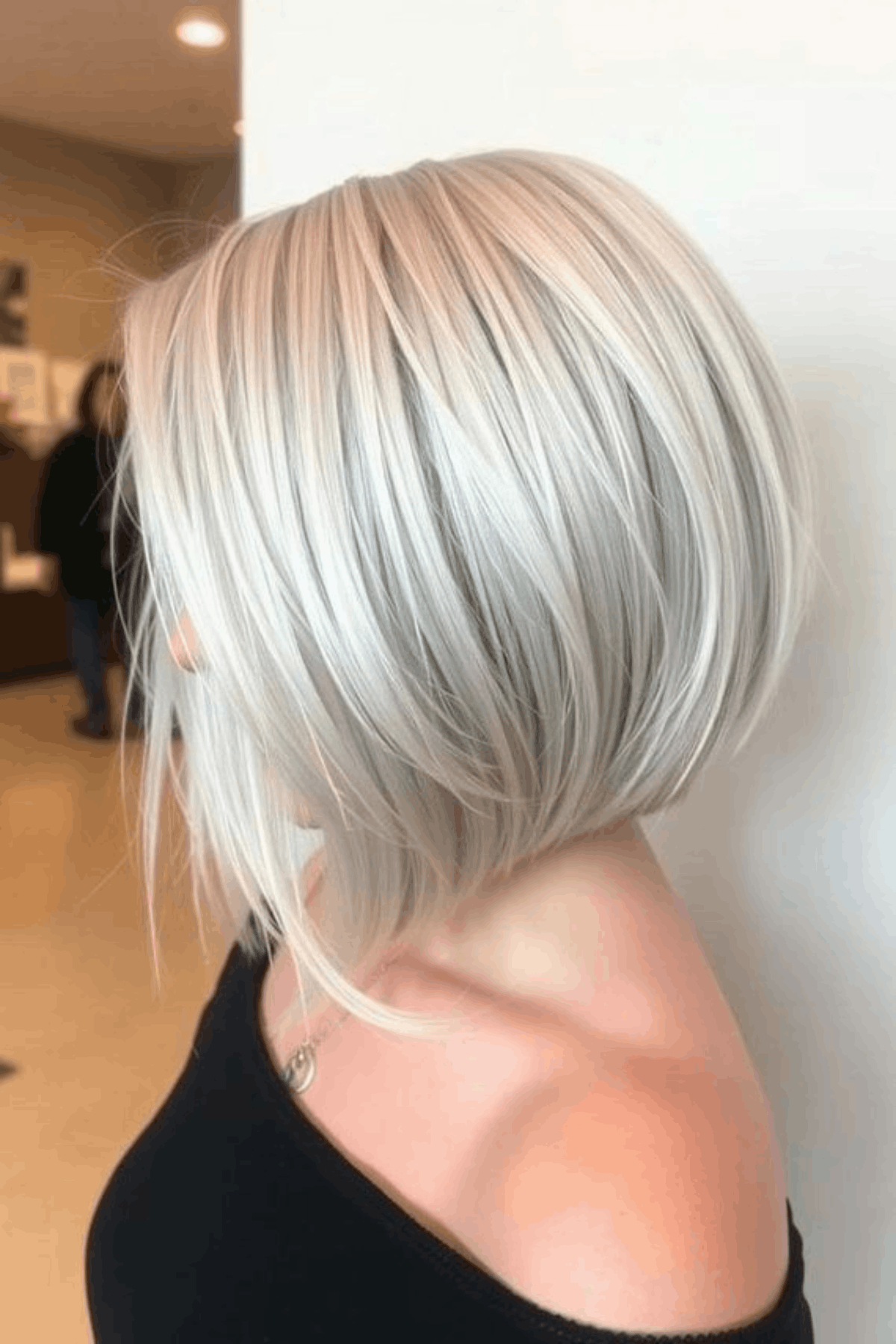
The Graduated Bob with Hidden Layers
Source: Pinterest
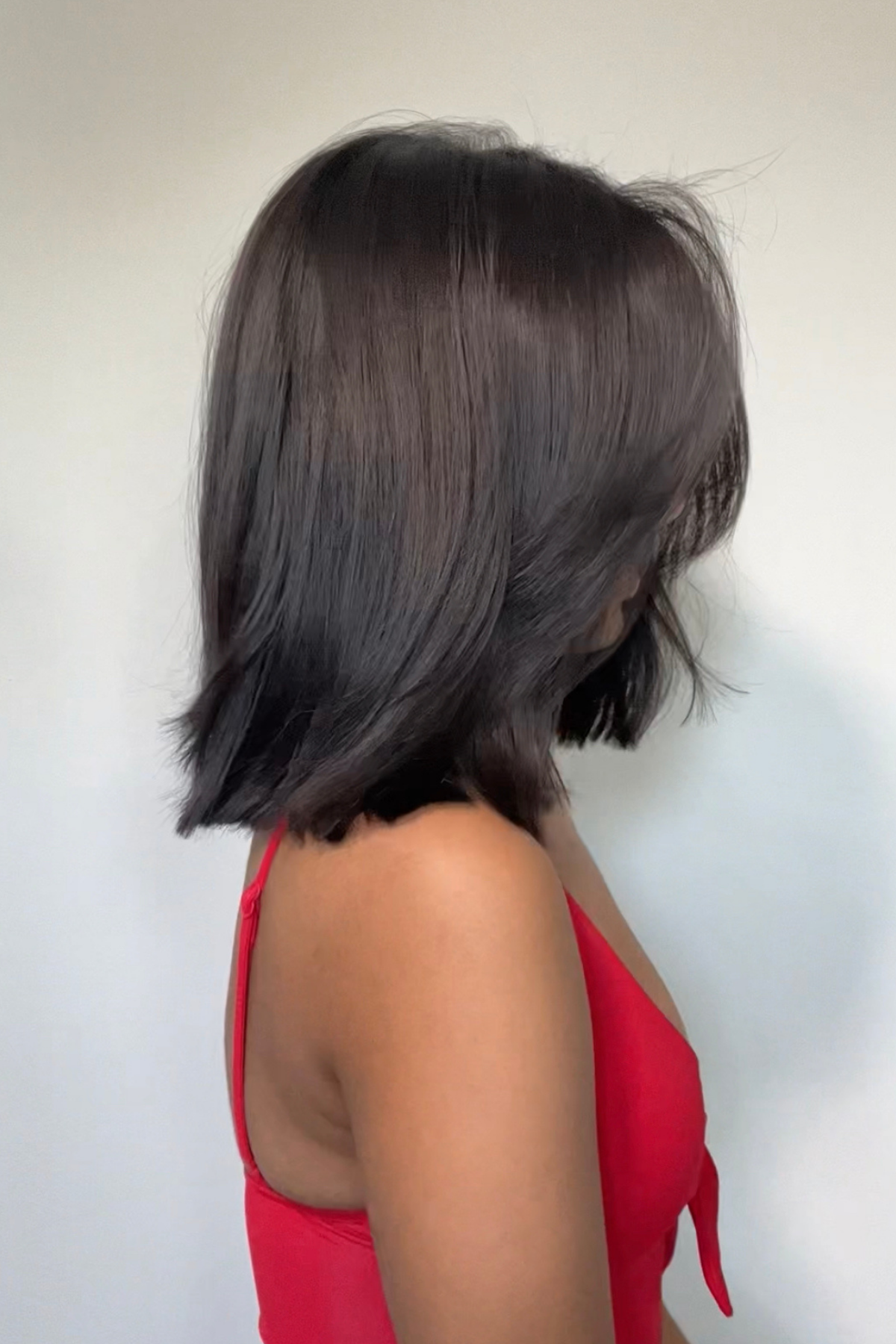
This bob is shorter in the back and gradually gets longer toward the front, with internal layers cut underneath the surface. From the outside, it appears clean and structured, while the hidden layers reduce weight and allow the hair to sit closer to the head without looking stacked.
Best Suited For: Medium to thick hair that feels bulky in short cuts, especially hair that forms a triangle shape as it grows. Ideal for clients who want structure and shape without visible layering.
What to Ask Your Stylist:
Layers: Internal or “hidden” layers only, with no visible stacking.
Length: Shorter at the nape with gradual length toward the front.
Finish: Smooth perimeter with controlled graduation.
Bangs: Optional; works best without heavy fringe.
Pro Tip
When styling, focus your blow-dry at the nape first, using tension to smooth that area before moving to the top. Setting the base of the cut early helps the graduated shape sit correctly and prevents bulk from popping out later.
The Undone Razor Layers Cut
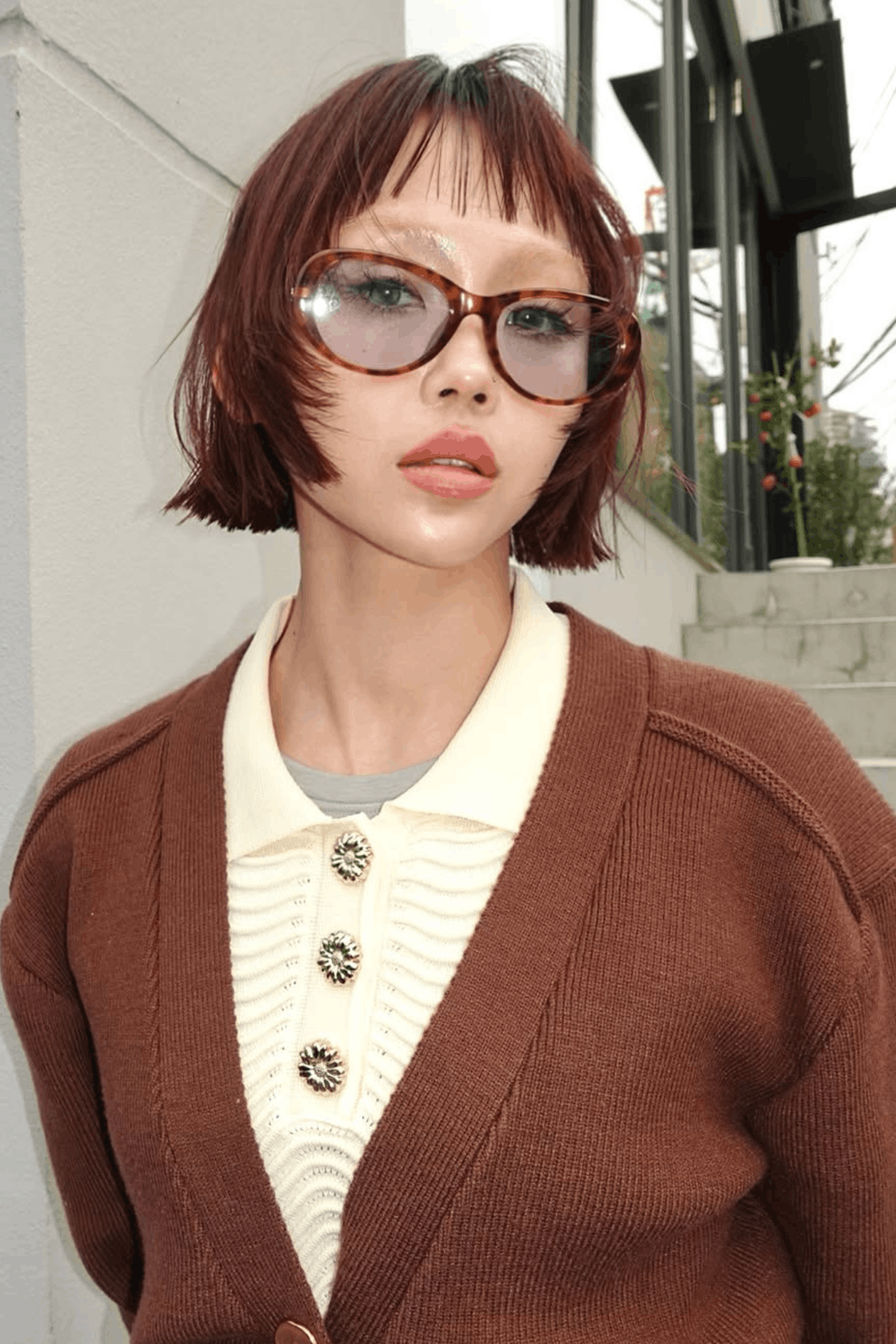
Source: Instagram
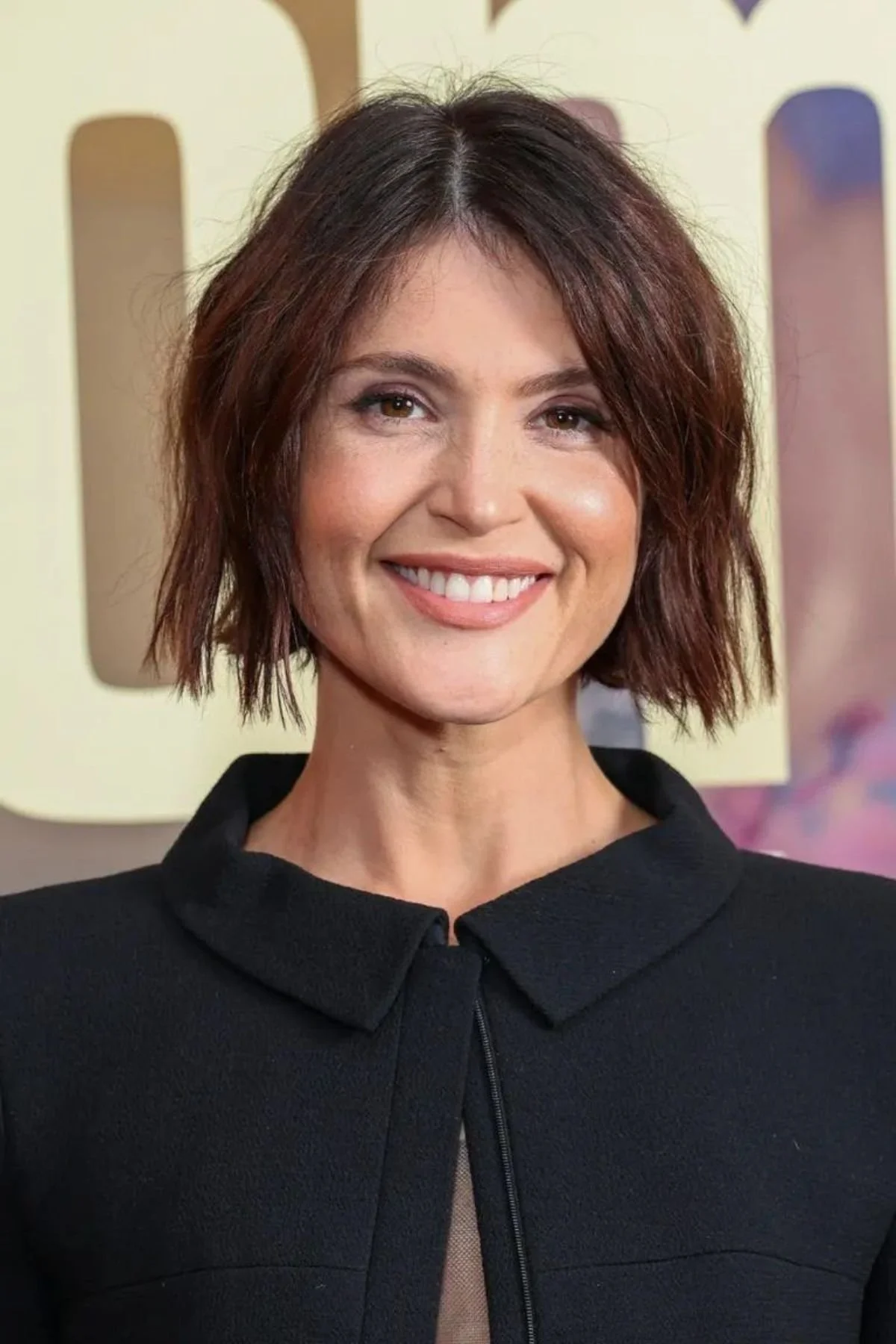
This haircut sits anywhere from the jawline to just below it, with layers created using a razor to produce soft, irregular edges. The shape is intentionally uneven through the ends, with light separation throughout the interior so the hair doesn’t fall in a solid line.
Best Suited For: Straight to wavy hair that feels stiff or heavy when cut blunt, especially hair that needs movement without added volume at the crown. Ideal for clients who like a relaxed, lived-in finish that looks intentionally imperfect.
What to Ask Your Stylist:
Layers: Razor-cut layers for softness, not thinning.
Length: Keep enough weight through the perimeter so it doesn’t look wispy.
Finish: Broken, piece-y ends rather than a sharp outline.
Bangs: Optional; works well with longer, textured face-framing pieces.
Pro Tip
After blow-drying, take a flat iron and bend only the mid-lengths slightly, leaving the ends straight. This highlights the razor texture without making the cut look styled or curled.
The Jawline Bob with Curtain Layers
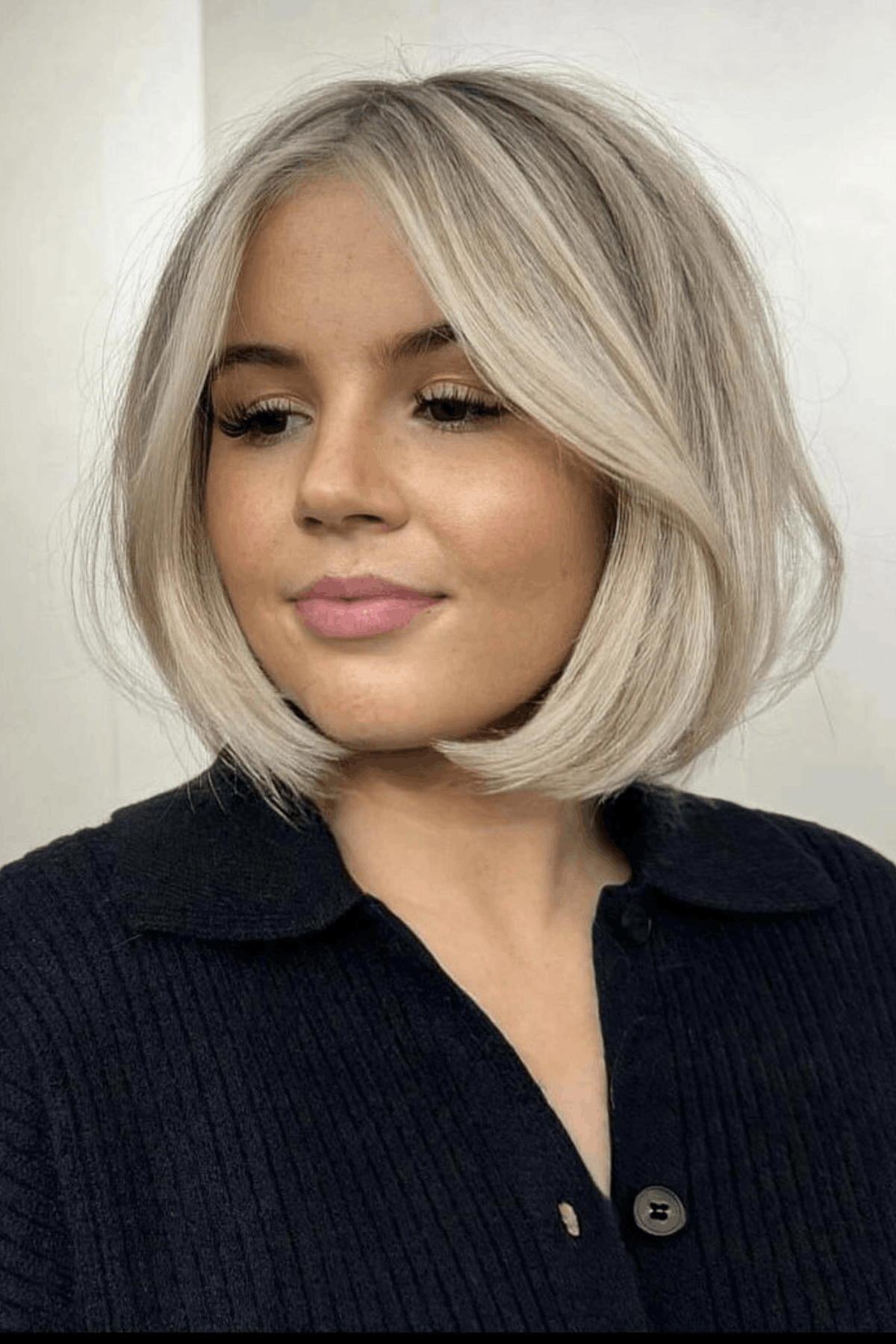
Source: Pinterest
This bob sits right at the jawline, with the perimeter kept clean and straight. Soft curtain layers are cut at the front and angle away from the face, blending back into the sides so the front feels lighter while the back stays solid.
Best Suited For: Straight to wavy hair that holds shape easily, especially hair that feels heavy or closed in around the face. Ideal for clients who want movement through the front without layering the entire cut.
What to Ask Your Stylist:
Layers: Curtain-style layers only at the front, not through the crown.
Length: Jawline length with a clean, controlled perimeter.
Finish: Soft face-framing that blends into the sides.
Bangs: Curtain layers that open at the center and taper outward.
Pro Tip
Style the curtain layers away from your face first, then let them fall back naturally. This prevents them from collapsing forward and keeps the front looking open without extra product.
The Hybrid Lob-Pixie (“Plob”) with Movement
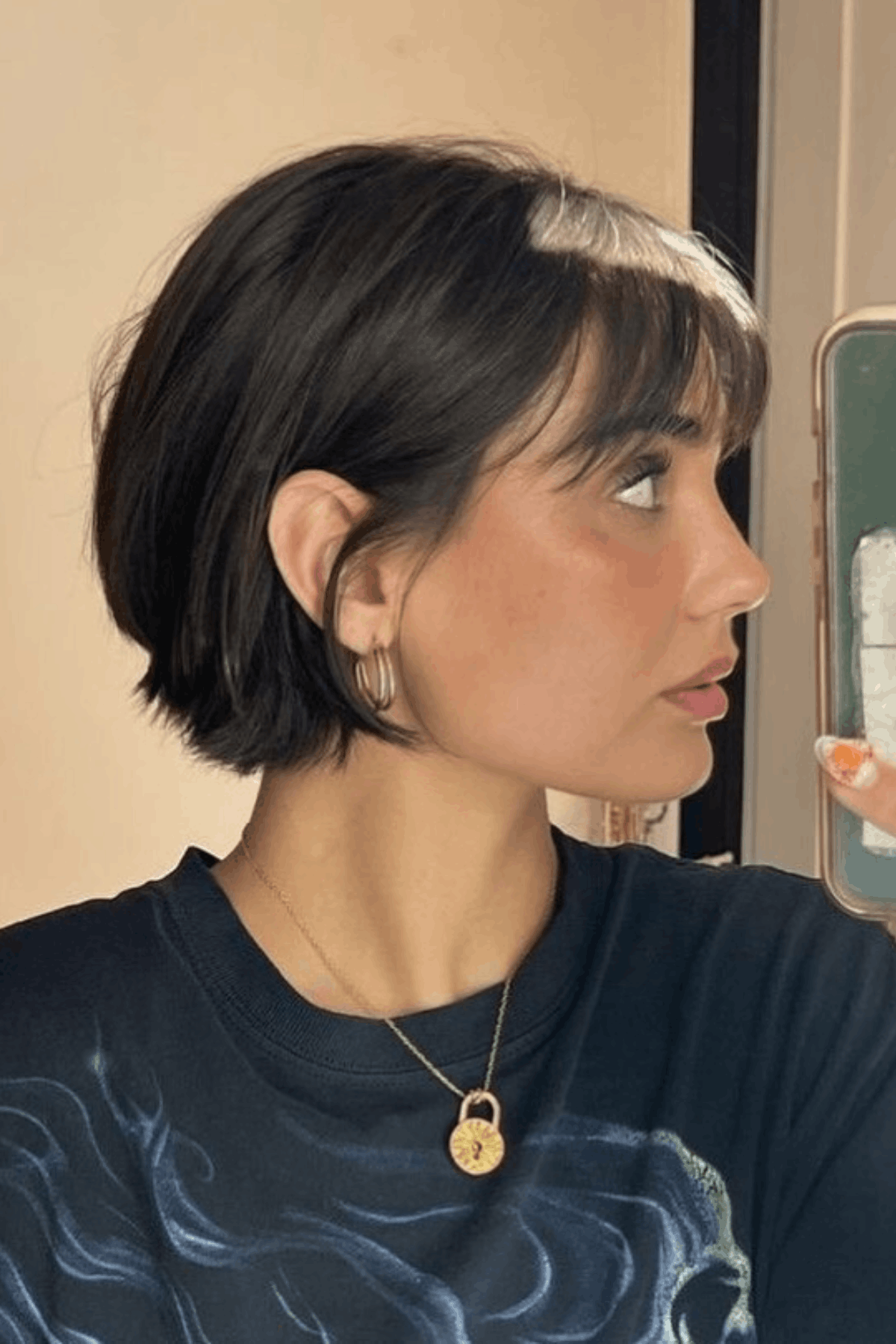
Source: Instagram
This cut sits between a long pixie and a short bob, typically landing below the ears and above the chin. The back is slightly shorter and closer to the head, while the front stays longer with soft layering that allows the hair to move forward and sideways. The shape looks intentional but fluid, not boxy or tight.
Best Suited For: Fine to medium hair that feels stuck between short and bob lengths, especially hair that grows out unevenly after a pixie. Ideal for anyone transitioning from very short to short-medium hair without committing to a full bob.
What to Ask Your Stylist:
Layers: Soft internal layers for movement, not volume stacking.
Length: Shorter through the back, longer toward the front.
Finish: Blended shape with no harsh disconnection.
Bangs: Optional; longer front pieces can double as fringe.
Pro Tip
Blow-dry this cut using your fingers instead of a brush, changing directions as you dry. This prevents the shape from settling into a bob or a pixie and keeps the movement loose and natural.
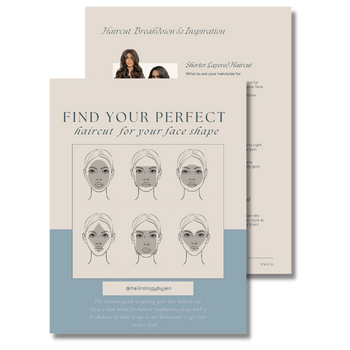
Grab My Free Haircut Guide
If you’re reading this and thinking, “I like a few of these, but I don’t know which one actually fits my hair,” then grab my free haircut guide.
It breaks down how to choose the right length, layering style, and shape for your hair so you can walk into your appointment confident instead of guessing.
Bring it with you, reference it during your consult, and use it to explain what you want in clear, simple terms your stylist will understand.
Maintain Your Short Layered Haircut Between Salon Visits
Short layered haircuts look their best when the shape is maintained, not constantly re-cut. Most issues I see between appointments aren’t because the cut is “bad,” but because the layers aren’t being supported as they grow.
Here’s how to keep your short layered haircut looking intentional instead of overgrown:
Stick to realistic trim timing: Most short-layered haircuts need a trim every 6–8 weeks. This doesn’t mean losing length; it’s about rebalancing the layers so the shape doesn’t collapse or bulk up in the wrong spots.
Wash based on your scalp, not the cut: Over-washing can flatten layers, while under-washing can make them clump together. If your crown goes flat fast, refresh with dry shampoo instead of a full wash to preserve lift.
Reset the part occasionally: Wearing the same part every day trains short layers to fall flat. Switching your part, even slightly, helps maintain volume and keeps the layers from separating unevenly.
Use heat with intention: You don’t need to style everything. Focus heat on the areas where layers lose shape first, usually the crown, fringe, or jawline, rather than restyling the entire head.
Avoid over-layering at home: Resist the urge to “fix” pieces yourself. Short layered haircuts rely on balance, and trimming one area often creates bulk or holes elsewhere.
Best Products for Styling Short Layers
| Product Name | Best For | Where to Buy |
|---|---|---|
| K18 AstroLift Reparative Volume Spray | Creating lift at the crown without stiffness or grit | Buy Here |
| IGK Texturizing Spray | Adding light, piece-y separation through short layers | Buy Here |
| amika Perk Up Talc-Free Dry Shampoo | Refreshing roots and restoring airy volume between washes | Buy Here |
| DESIGNME Puff.Me Volumizing Mousse | Supporting short layers with flexible body and shape control | Buy Here |
| Olaplex Volumizing Blow Dry Mist | Heat protection and style memory without weighing hair down | Buy Here |
FAQs
What is the 3-inch rule for hair?
The 3-inch rule is a guideline stylists use to decide if very short hair will sit close to the face or project outward. If the distance between your earlobe and chin is under three inches, shorter layered cuts tend to sit closer to the head. Over three inches, short hair usually needs layering to prevent bulk and a boxy shape.
Are layers still in style in 2026?
Yes. Layers have not gone anywhere; they have just become more refined. Instead of heavy or choppy layering, modern short layered haircuts focus on soft, blended layers that create movement without obvious lines.
What are soft layers?
Soft layers are lightly blended layers that remove weight and add movement without creating sharp steps or visible separation. They are cut to flow into the overall shape, which is why they are commonly used in short layered haircuts meant to grow out cleanly.
Which layer cut is best for short hair?
There is not one best layer cut for short hair. The right choice depends on hair density, growth patterns, and how much styling you want to do. Fine hair often benefits from subtle crown layers, while thicker hair usually needs internal layers to reduce bulk.
Can short layered haircuts work on curly or textured hair?
Yes, but the layering approach matters. Curly and textured hair needs layers placed with shrinkage and curl pattern in mind. When done correctly, short layered haircuts help curls stack properly instead of forming a triangle shape.
Final Word From Haiirology
Short layered haircuts work best when they’re designed around your hair, not trends or haircut names. The difference between a cut that feels effortless and one that feels frustrating usually comes down to where the layers sit and how the weight is removed. When that’s done right, short hair grows out better, styles faster, and feels lighter without looking thin.
If you’re stuck between a few options, that’s normal.
Save the styles that speak to you and use them as a starting point in your consult.
And if you want extra clarity before your next appointment, my free haircut guide will help you ask for what actually works for your hair.





These 17 short winter haircuts are cut to make hair look fuller, sorted by whether yours is fine, thick, wavy, curly or straight. A stylist's picks.