
What Hair Color Is Best for Me? Find Your Perfect Shade
This post may contain affiliate links, which means I'll receive a commission if you purchase through the link at no extra cost to you. Please read the full disclosure here.
TL;DR
Choosing the best hair color comes down to three simple things: your undertone, your natural contrast, and your lifestyle. Warm undertones tend to suit golden and caramel shades, cool undertones often look best with ash or platinum tones, and neutral undertones can usually wear both. Your contrast level helps determine whether softer blends or deeper, more defined colors will flatter you most, while your maintenance preference decides how practical the color will be long-term. The goal isn’t to chase trends, but to choose a shade that works with your features and still looks good as it grows out.
Want your exact shade mapped out step by step? Download the Haiirology Hair Color Guide to find your perfect match.
If you're looking for a single answer to what hair color is best for me? You’re not alone, and honestly, this is one of the most common questions I hear in the salon.
Most people don’t struggle with finding inspiration. They struggle with choosing the right shade for their skin, features, and lifestyle. What looks good on someone else doesn’t always translate in real life, and that’s where things go wrong.
The best hair color for you isn’t about trends. It’s about undertone, contrast, natural base, and how much maintenance you’re willing to commit to.
In this guide, I’ll walk you through a simple, style-tested way to figure it out step by step. This is the same process I use with clients who want a color that actually suits them.
If you’ve ever dyed your hair and felt like something was “off,” this will fix that.
What Hair Color Is Best for You?

Before choosing a shade, you need to understand why certain colors suit you and others don’t.
This is the step people skip and it’s usually why they end up with a color that feels slightly off.
In the salon, I don’t start with color charts. I start with undertones.
Skin Tone vs Undertone
These two get confused all the time, but they’re not the same.
Skin tone = how light or deep your skin is (fair, medium, deep)
Undertone = the subtle color underneath your skin (warm, cool, or neutral)
Your undertone is what determines which hair colors will actually flatter you.
For example:Two people can have the same skin tone, but completely different undertones. One suits golden blonde, the other looks better in ash. People choose hair color based on how light or dark their skin is, instead of the undertone. That’s when the color clashes instead of blending.
| Bold Hair Color Ideas to Stand Out |
|---|
| Explore vibrant hair color ideas that bring warmth, depth, and personality to your look: From fiery orange tones to rich purples and deep cherry reds, these shades add dimension and bold style to any haircut. |
How to Identify Your Undertone Step-by-Step
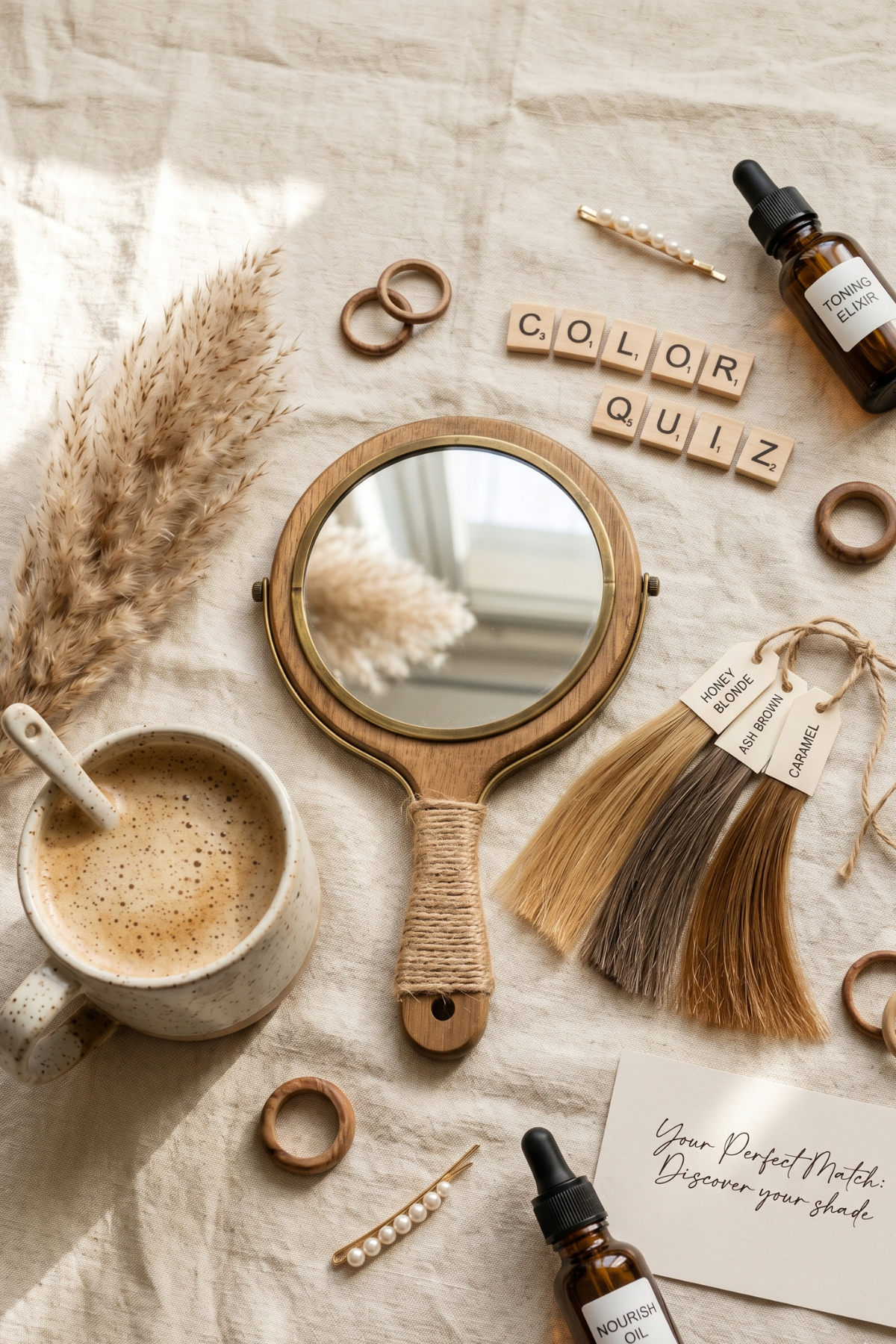
Now, let’s confirm your undertone properly.
Don’t rely on just one test, combine at least two for accuracy.
1. Check Your Veins
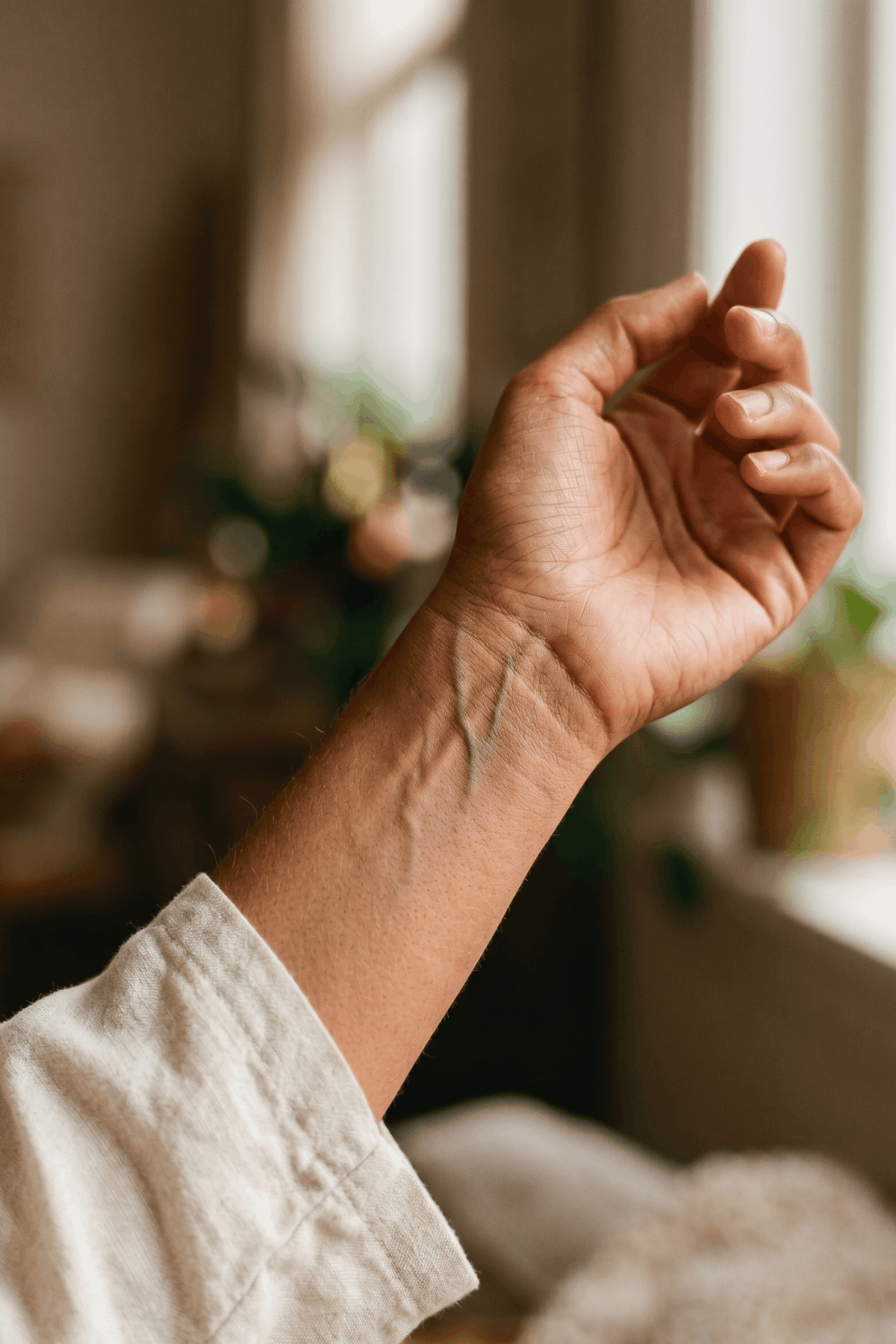
Look at your wrist in natural light:
Green veins → Warm undertone
Blue or purple veins → Cool undertone
Hard to tell → Neutral undertone
2. Compare Gold vs Silver Jewelry
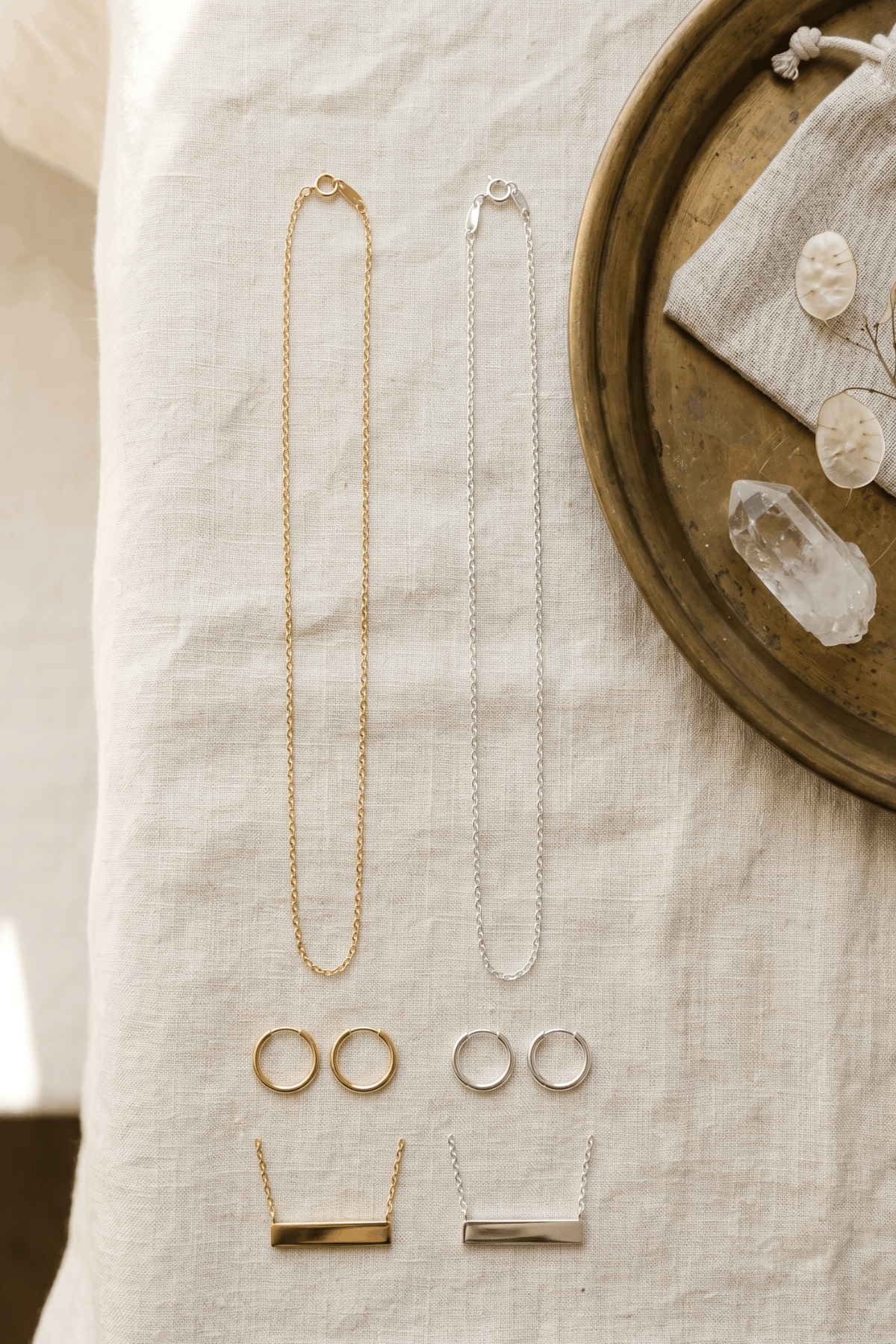
Gold looks better → Warm
Silver looks better → Cool
Both suit you → Neutral
3. Hold White vs Cream Fabric Near Your Face
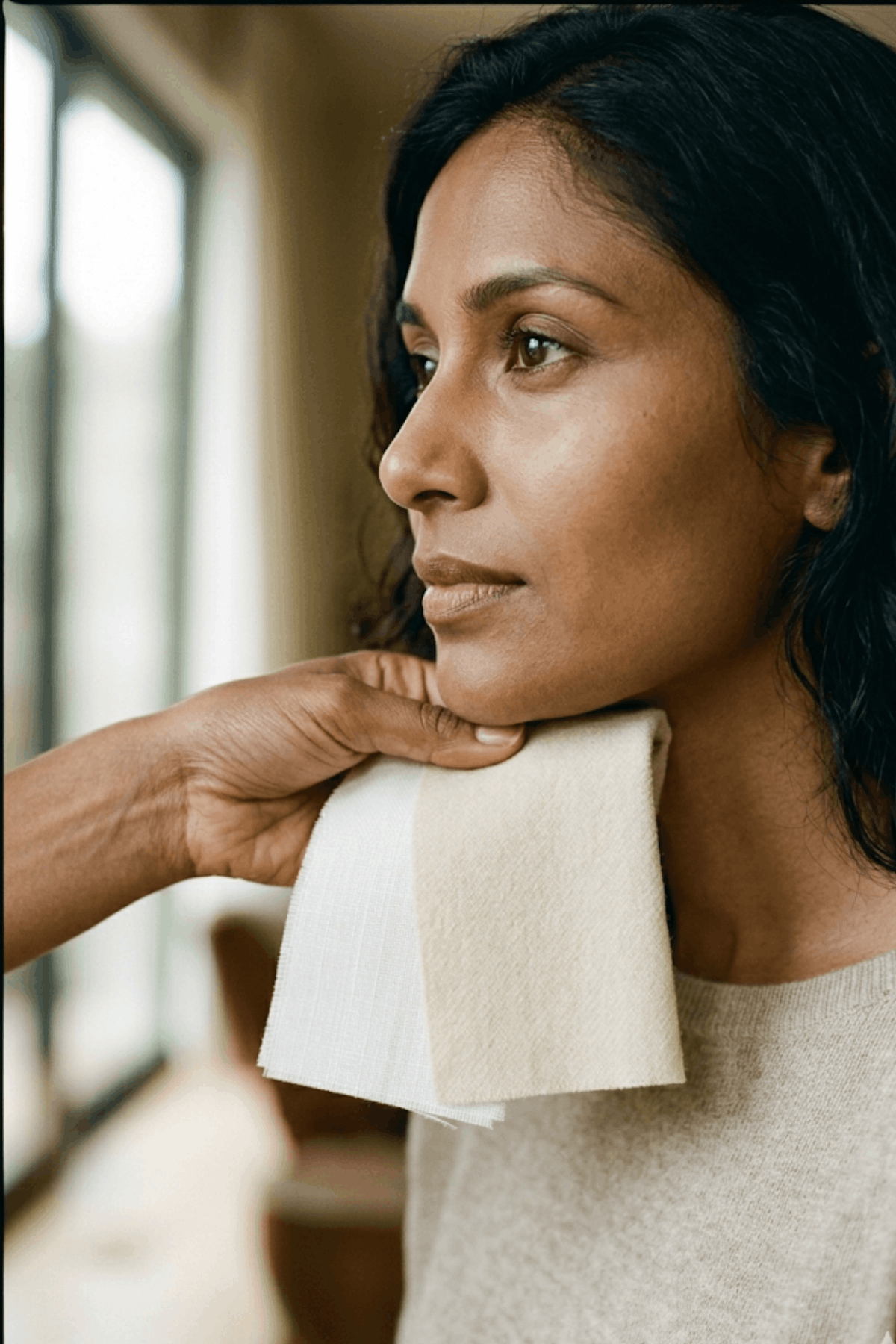
Bright white looks better → Cool undertone
Cream/off-white looks better → Warm undertone
Both work → Neutral
I always confirm undertones using at least two of these tests because lighting, makeup, or even tan can throw off just one result.
Once you’re clear on your undertone, everything gets easier.
How to Match Your Hair Color to Your Undertone
Now that you know your undertone and contrast, we can get specific.
This is where most people finally get clarity because instead of guessing, you’re matching your features to shades that actually work.
| Undertone | Best Shades | Avoid |
|---|---|---|
| Warm | Honey blonde, caramel, golden brown, copper | Ash, icy, overly cool tones |
| Cool | Ash brown, platinum blonde, burgundy, cool black | Golden, brassy, orange tones |
| Neutral | Beige blonde, soft brown, balanced tones | Extremely warm or extremely cool shades |
Choose Hair Colors for Warm Undertones
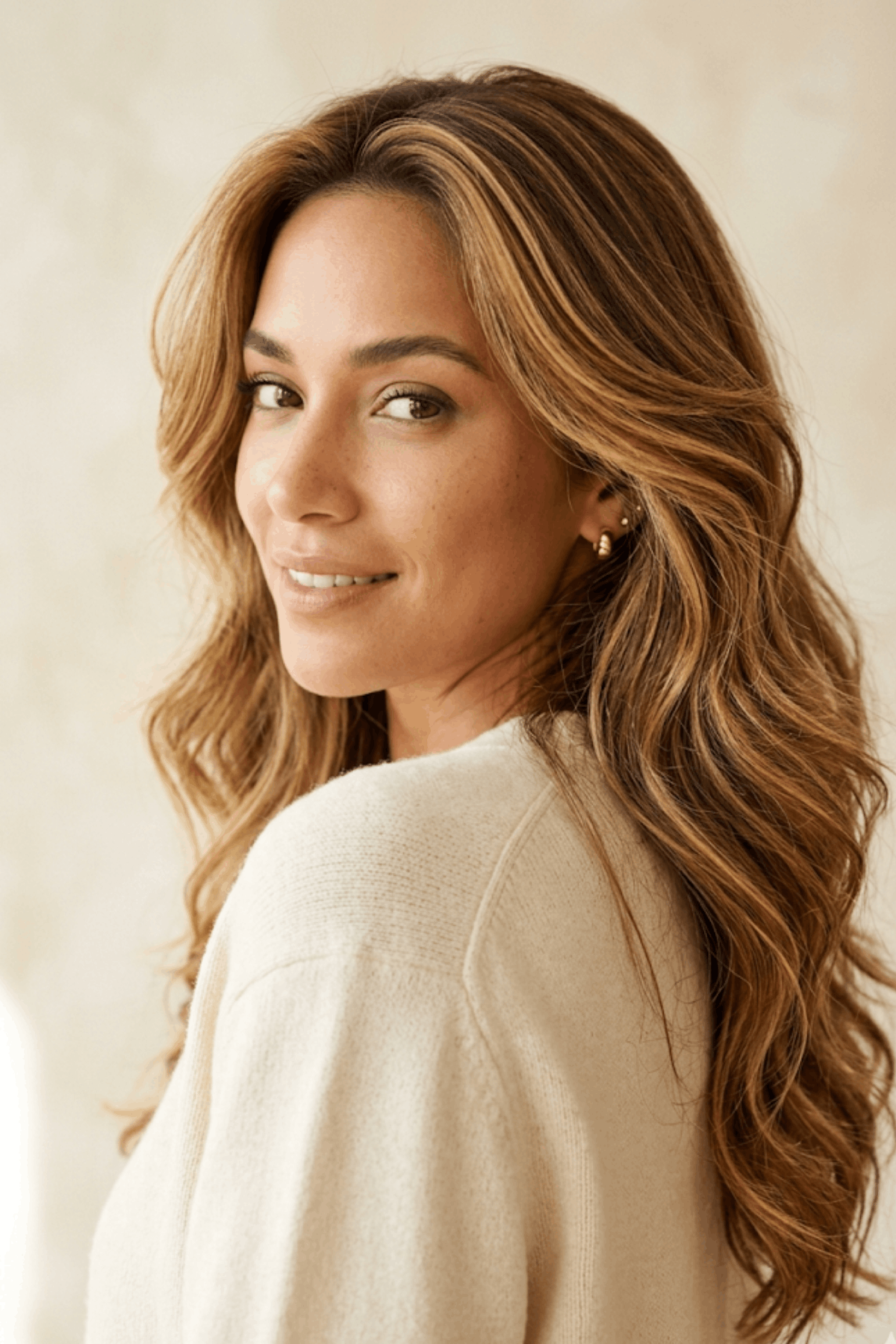
If your skin has golden or peachy tones, warmth in your hair will enhance your glow, not compete with it.
Best options:
honey blonde
caramel balayage
golden brown
copper or auburn
These shades reflect light and make your skin look brighter and healthier.
What to ask your stylist: “I want a warm-toned balayage with soft golden dimension, not too brassy.”
Choose Hair Colors for Cool Undertones
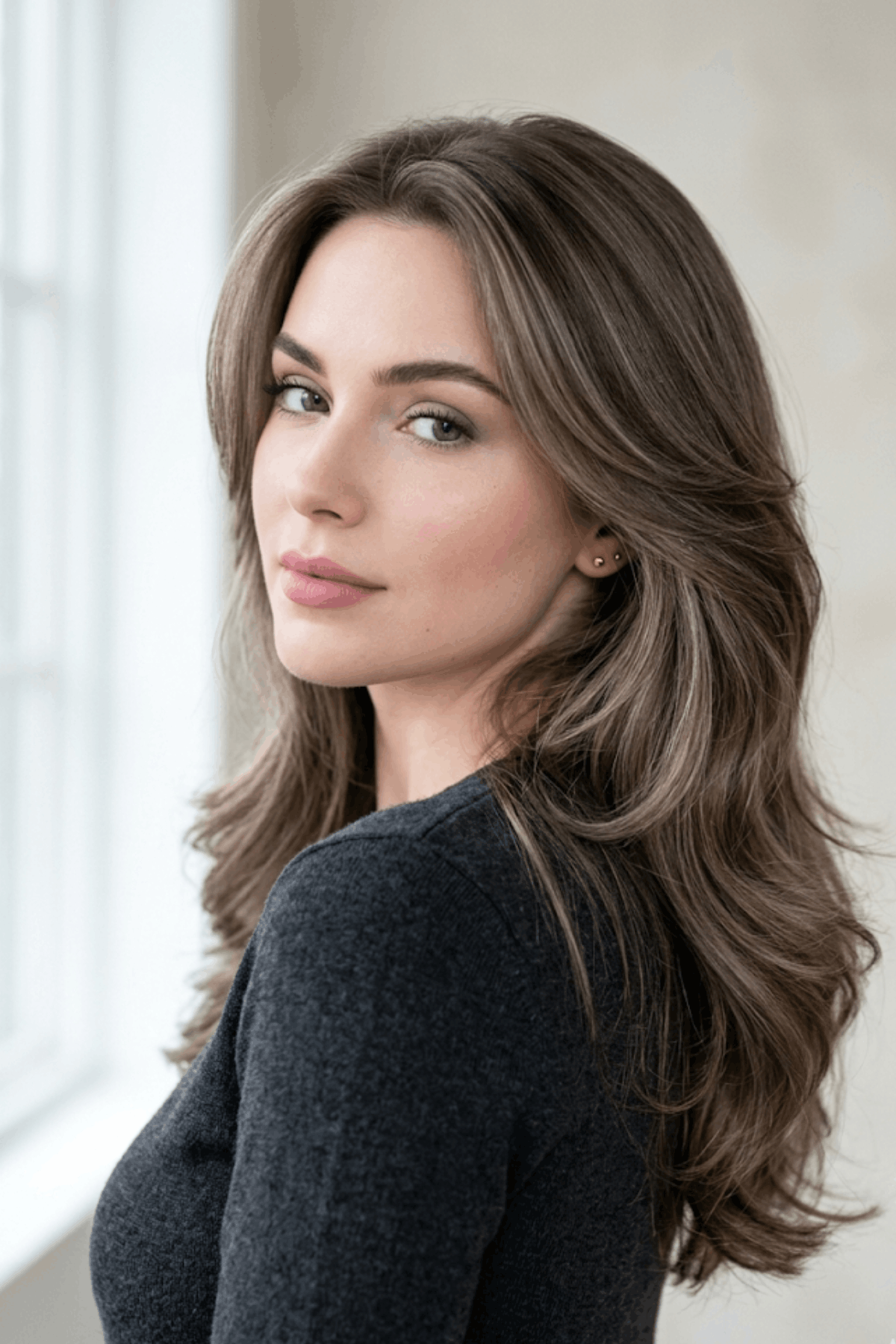
If your skin leans pink or blue, cooler tones will look more natural and polished.
Best options:
ash brown
cool beige blonde
platinum blonde
burgundy
These shades cancel out unwanted warmth and give a clean, balanced finish.
What to ask your stylist: “Can we keep this tone cool and slightly ashy to avoid brassiness?”
Choose Hair Colors for Neutral Undertones

Neutral undertones give you the most flexibility, but balance matters.
Best options:
beige blonde
soft chocolate brown
subtle balayage with mixed tones
You can go warm or cool, but avoid going too far in either direction.
What I usually recommend:Start with a balanced tone, then adjust warmer or cooler over time based on how it fades.
How to Analyze Your Natural Contrast to Refine Your Hair Color
Once your undertone is clear, there’s one more factor that changes everything:
Your natural contrast.
This is the step most people skip and it’s often why a color technically “matches” their undertone but still doesn’t look right.
What Natural Contrast Means?
Your contrast is the difference between:
your skin tone
your hair color
your eye color
In simple terms, it’s how much your features stand out against each other.
How to Identify Your Contrast Level
Stand in front of a mirror without makeup and look at your overall features.
Low Contrast
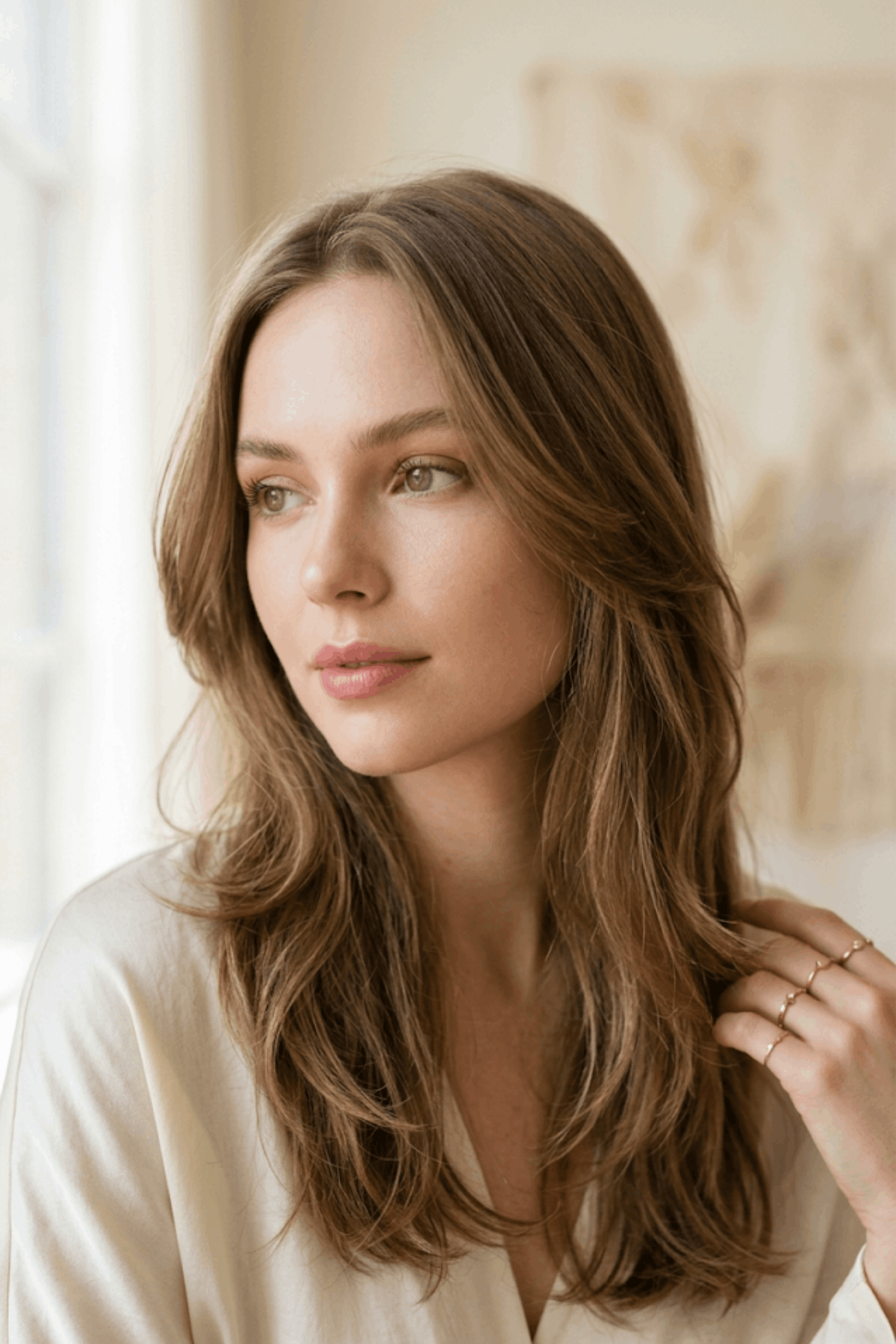
Skin, hair, and eyes are similar in depth
Example: light skin + light brown hair + soft eyes
Your features blend softly together
Medium Contrast
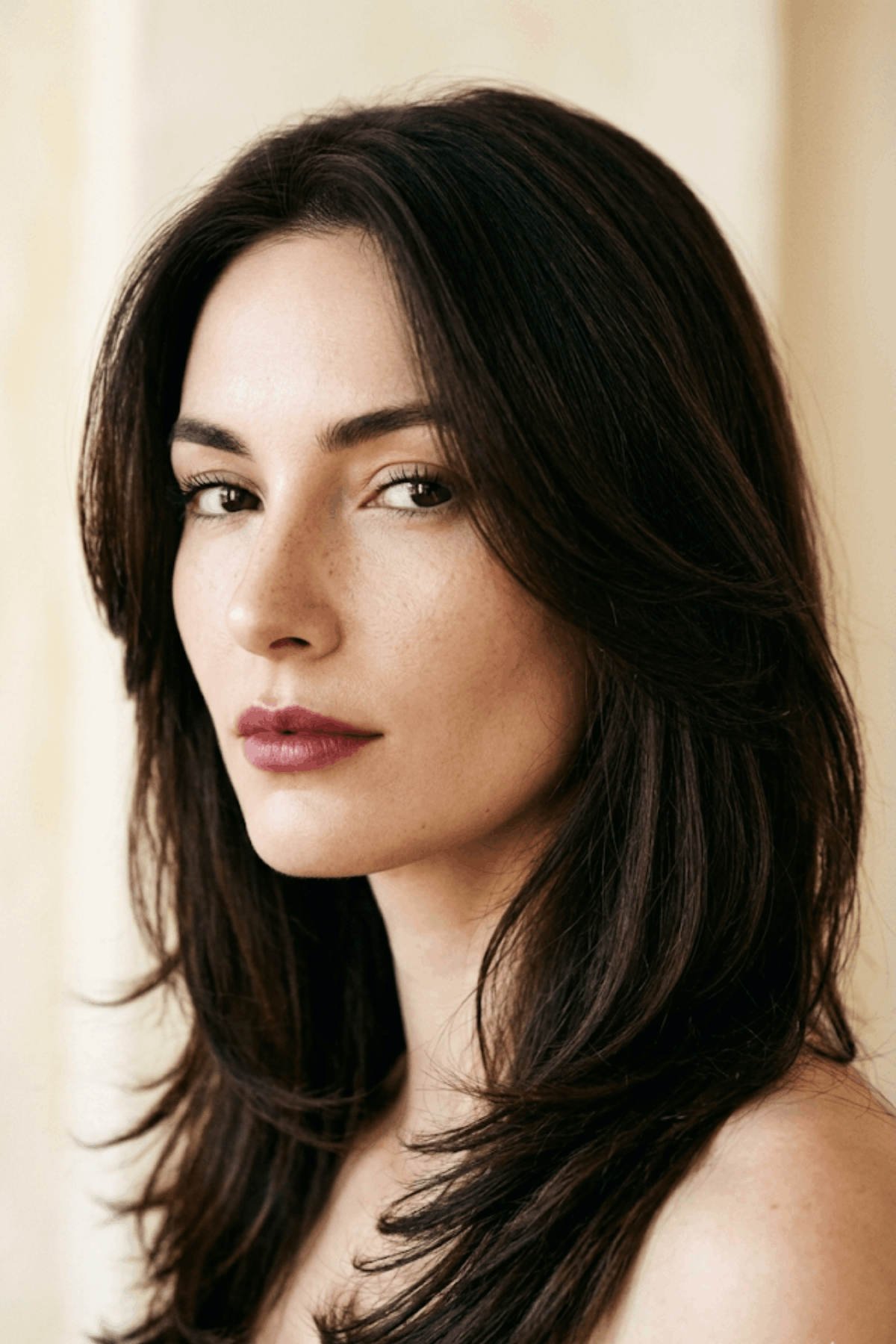
Some differences between features, but not extreme
Example: medium skin + brown hair + darker eyes
Your look has balance, not too soft, not too bold
High Contrast
big difference between features
Example: light skin + very dark hair
Your features stand out clearly
Match Hair Color to Your Contrast Level
This is where the magic happens.
If You Have Low Contrast
Go for soft, blended shades:
caramel brown
soft balayage
These keep everything harmonious and natural
If You Have Medium Contrast
You can handle a balanced dimension:
chocolate brown with highlights
beige blonde
You don’t need extremes, just depth and movement
If You Have High Contrast
You suit strong, defined colors:
espresso brown
jet black
cool-toned blonde (if done right)
These enhance your natural sharpness
How to Match Your Hair Color to Your Eye Color
Eye color isn’t the main factor but it can make your hair color look even more flattering when used right.
If You Have Brown Eyes
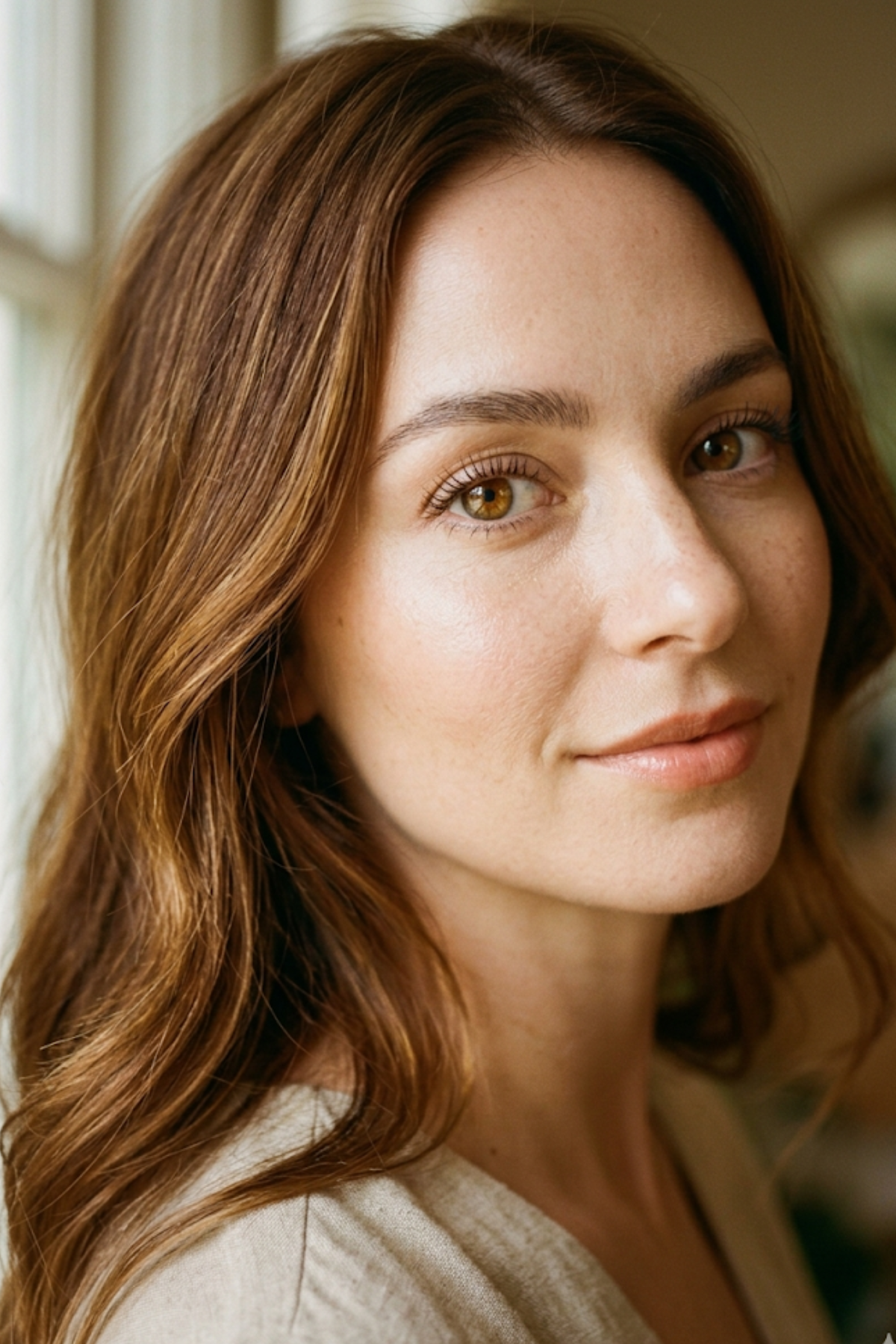
Brown eyes already have warmth and depth, so richer tones work beautifully.
Best shades:
caramel brown
chestnut
warm chocolate
golden balayage
If You Have Blue Eyes
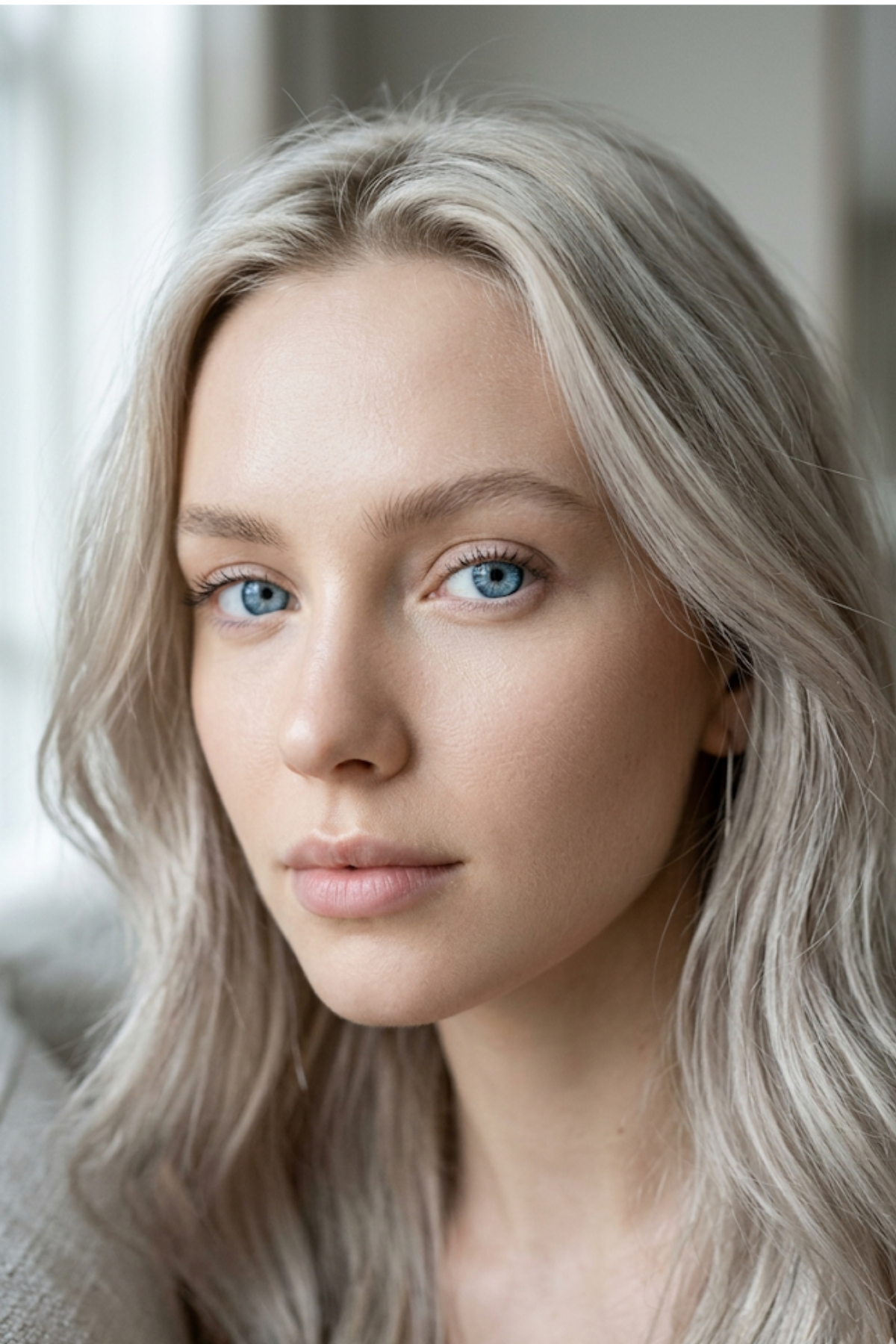
Blue eyes pair best with cooler tones that create contrast.
Best shades:
ash blonde
platinum blonde
cool beige
soft black
If You Have Green or Hazel Eyes
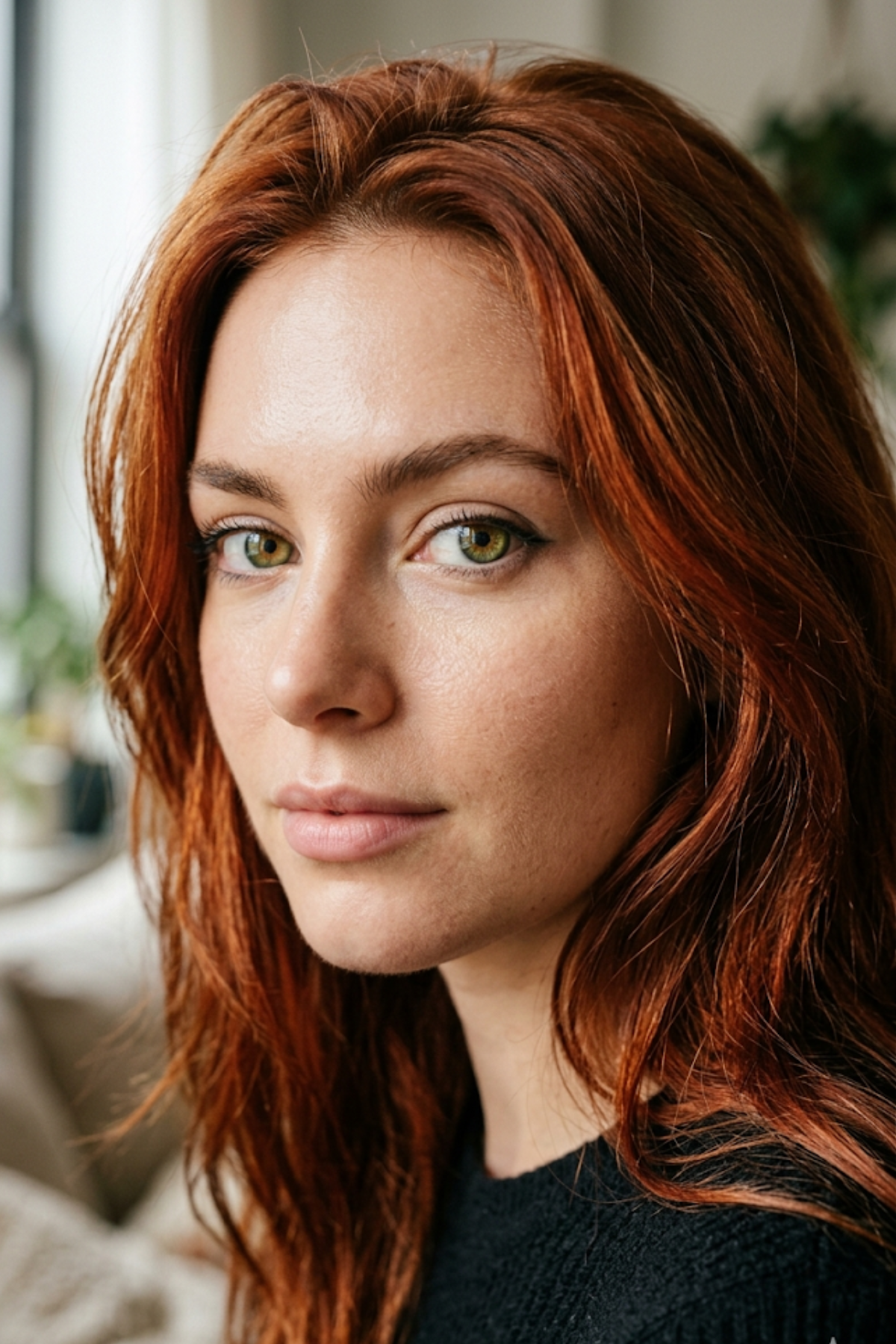
Green and hazel eyes have natural dimension, so warm-red tones bring them out.
Best shades:
copper
warm brown with red undertones
If you’re unsure, prioritize undertone first, then use eye color to refine your shade, not the other way around.

Consider These Factor in Your Lifestyle Before Choosing a Hair Color
This is where most people make the wrong choice.
A color might suit your undertone perfectly but if it doesn’t fit your lifestyle, you won’t enjoy it for long.
Before you commit, read this:
Choose Low-Maintenance Hair Colors for Easy Upkeep
If you don’t want frequent salon visits, go for colors that grow out softly.
Best low-maintenance options:
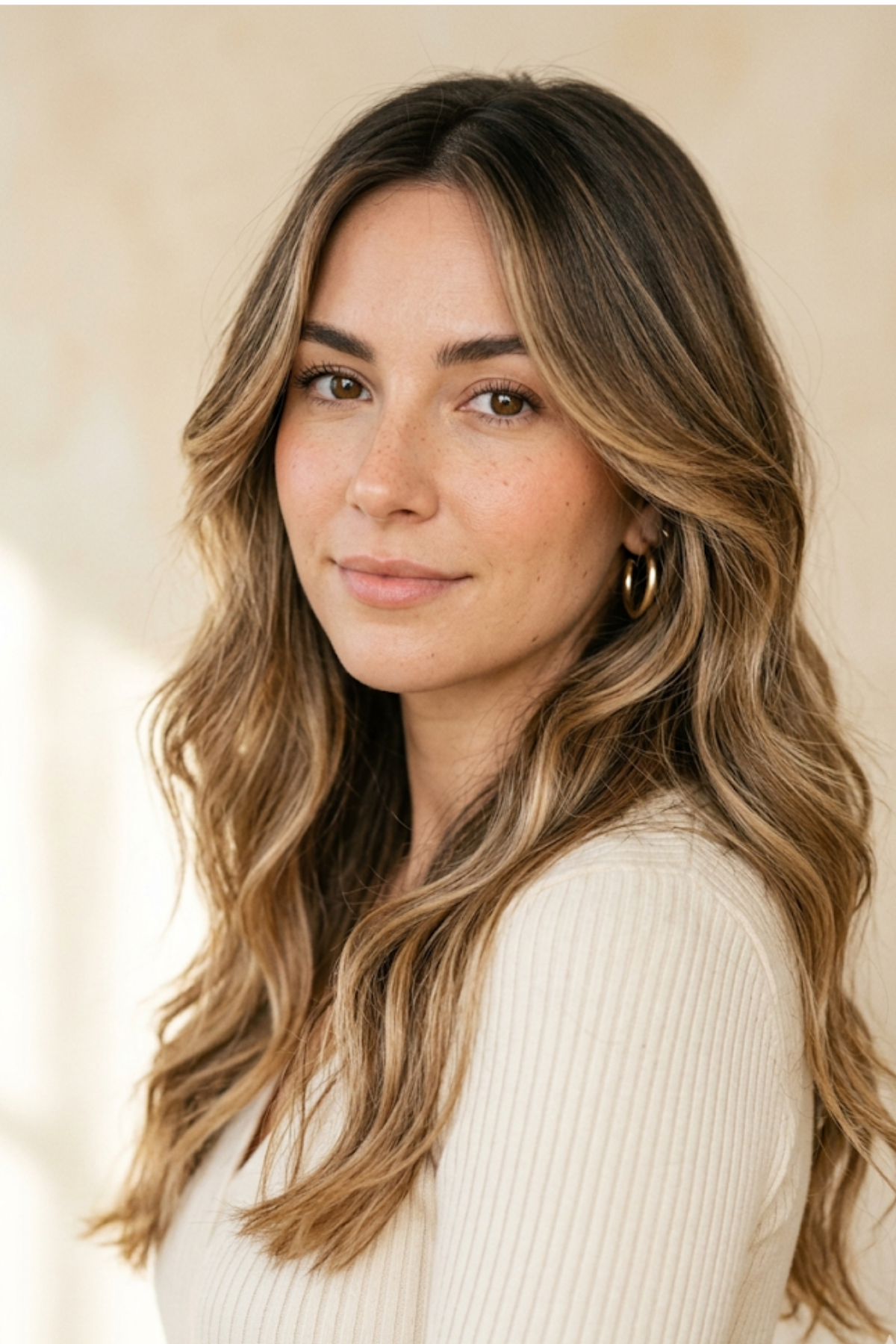
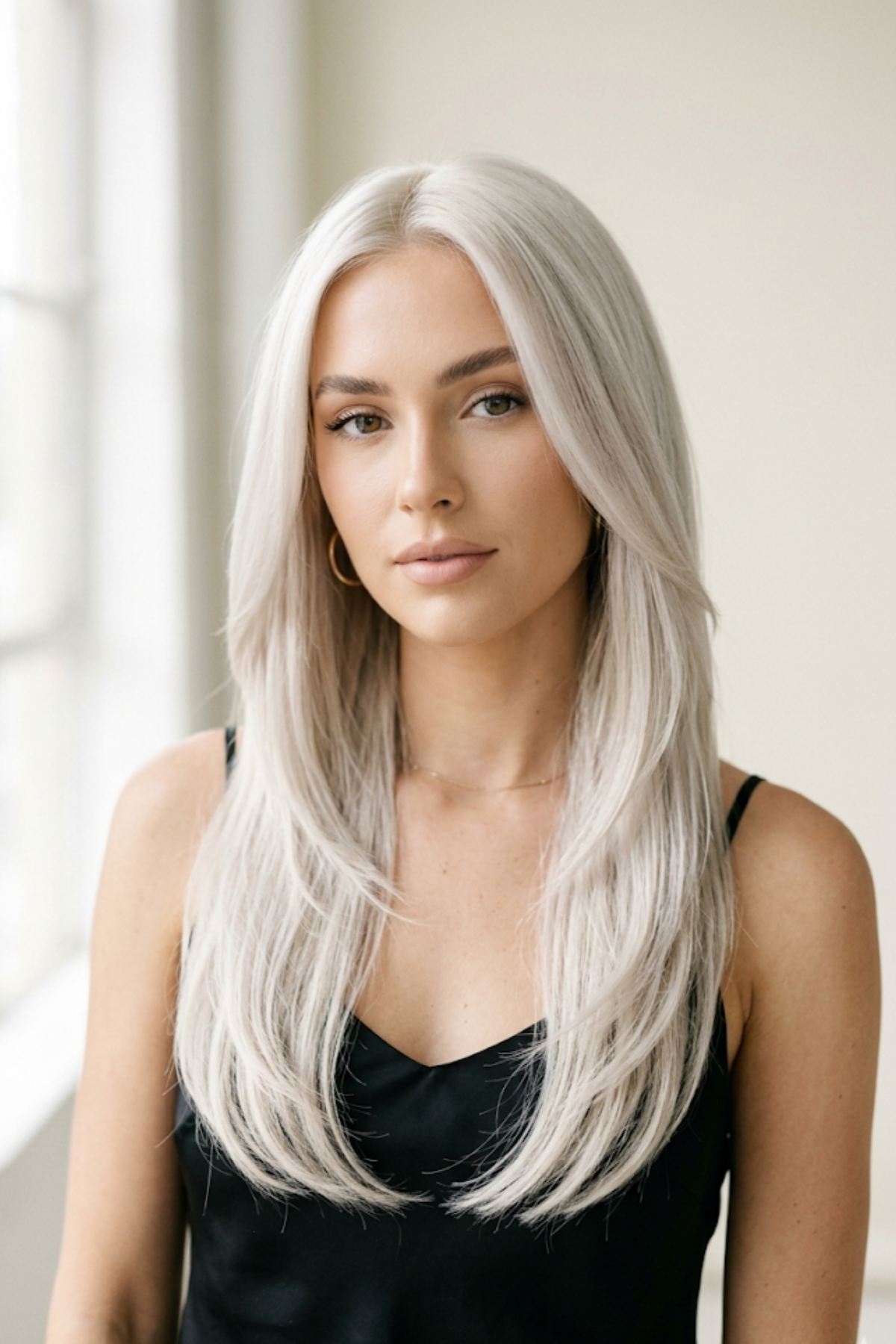
platinum blonde
icy tones
vivid colors (red, fashion shades)
solid, one-tone dark dye
These require:
toning to prevent brassiness
frequent root touch-ups
consistent at-home care
A lot of clients bring inspiration photos of bright blonde or bold shades but once they hear the maintenance, they switch to something softer and more realistic.
And honestly? Those softer, dimensional colors usually look more natural and expensive over time.
Try Virtual Tools to See What Hair Colour Suits You
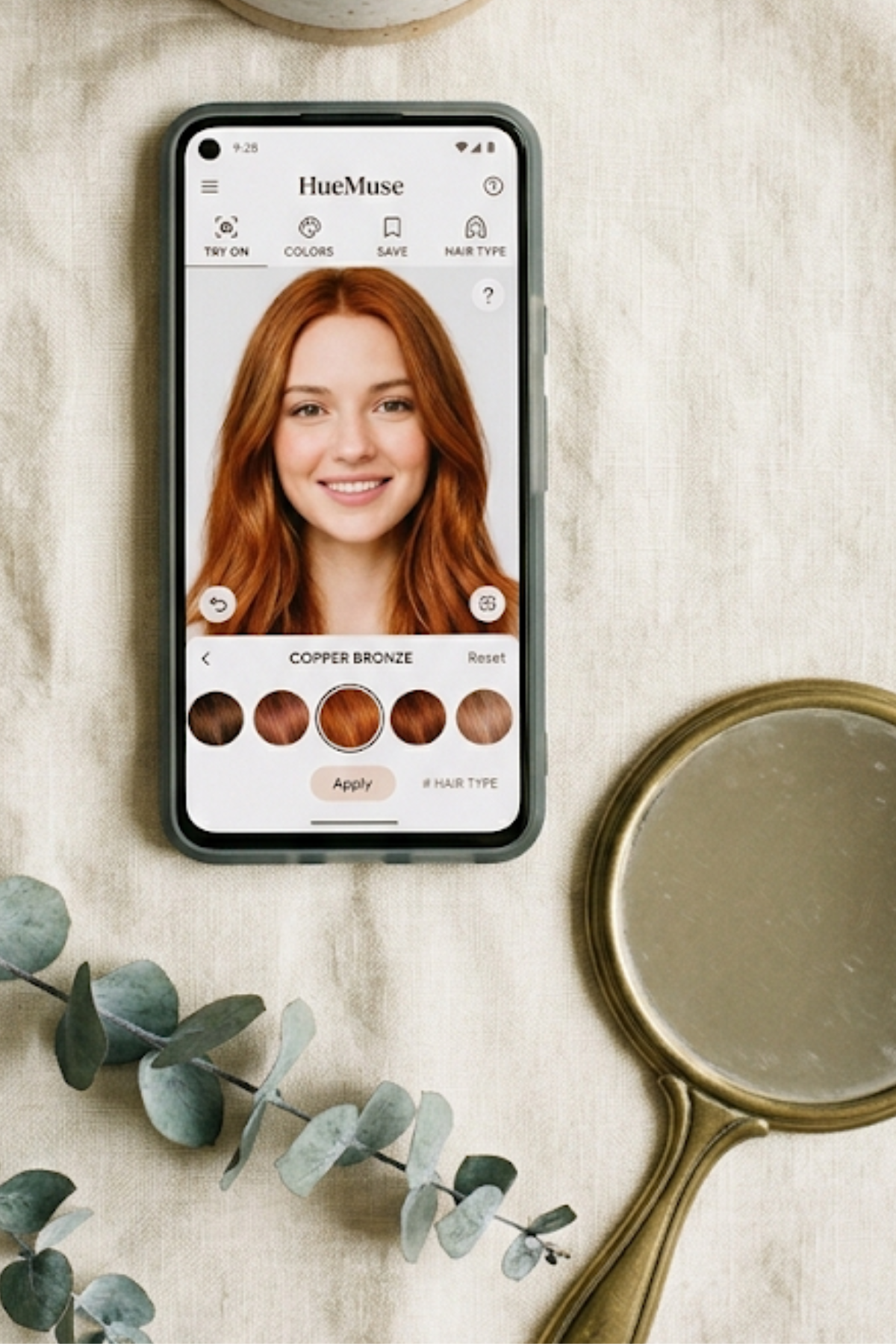
If you’re still unsure, virtual tools can help you visualize different shades before committing.
I often suggest these to clients who feel stuck between two options but with one important note: they’re a guide, not the final answer.
Use Free Hair Color Apps and Virtual Try-On Tools
There are plenty of tools that let you test colors using your photo.
Popular options include:
hair color changer apps
virtual try-on websites
AI hair color analysis tools
These let you:
Upload your photo
Compare how different tones look on your face
How Accurate Hair Color Apps Really Are?
These tools are helpful but not perfect.
What they do well:
Give you a general idea of light vs dark
Help you see warm vs cool tones
Make it easier to narrow down options
Where they fall short:
Lighting can distort the result
Filters don’t reflect real hair texture
They don’t account for undertones properly
Avoid These Common Hair Color Mistakes

Even with the right guidance, a few small mistakes can completely change how your color turns out. So look out for these:
Choosing a hair color based on trends instead of your features can lead to disappointment, because a shade that looks amazing online may not suit you, and if it doesn’t match your undertone or contrast, it will feel off no matter how popular it is.
Ignoring your undertone is one of the biggest mistakes, since a warm undertone paired with an ash color can look dull, while a cool undertone with a golden shade can turn brassy, and when the undertone is wrong, the color never blends naturally.
Going too light too fast often causes uneven color, damage, and unwanted warmth, so instead of rushing the process, it’s better to lighten gradually for more control and better results.
Forgetting about maintenance can make even a beautiful color frustrating, because some shades look great at first but require constant upkeep, and if it doesn’t match your routine, it won’t last the way you expect.
Using DIY box dye without understanding your base can lead to patchy or unexpected results, since it doesn’t account for your natural undertone, previous color, or how your hair lifts, which is why hair can end up too dark, too warm, or uneven.
Know these Sensitive Scalp Conditions Before Choosing Hair Color
If you have a sensitive scalp or skin condition, your hair color choice needs a bit more care.
I’ve worked with clients who had great color goals but the wrong products or tones made their skin look worse or caused irritation. So this step matters.
Dye Hair Safely with Seborrheic Dermatitis
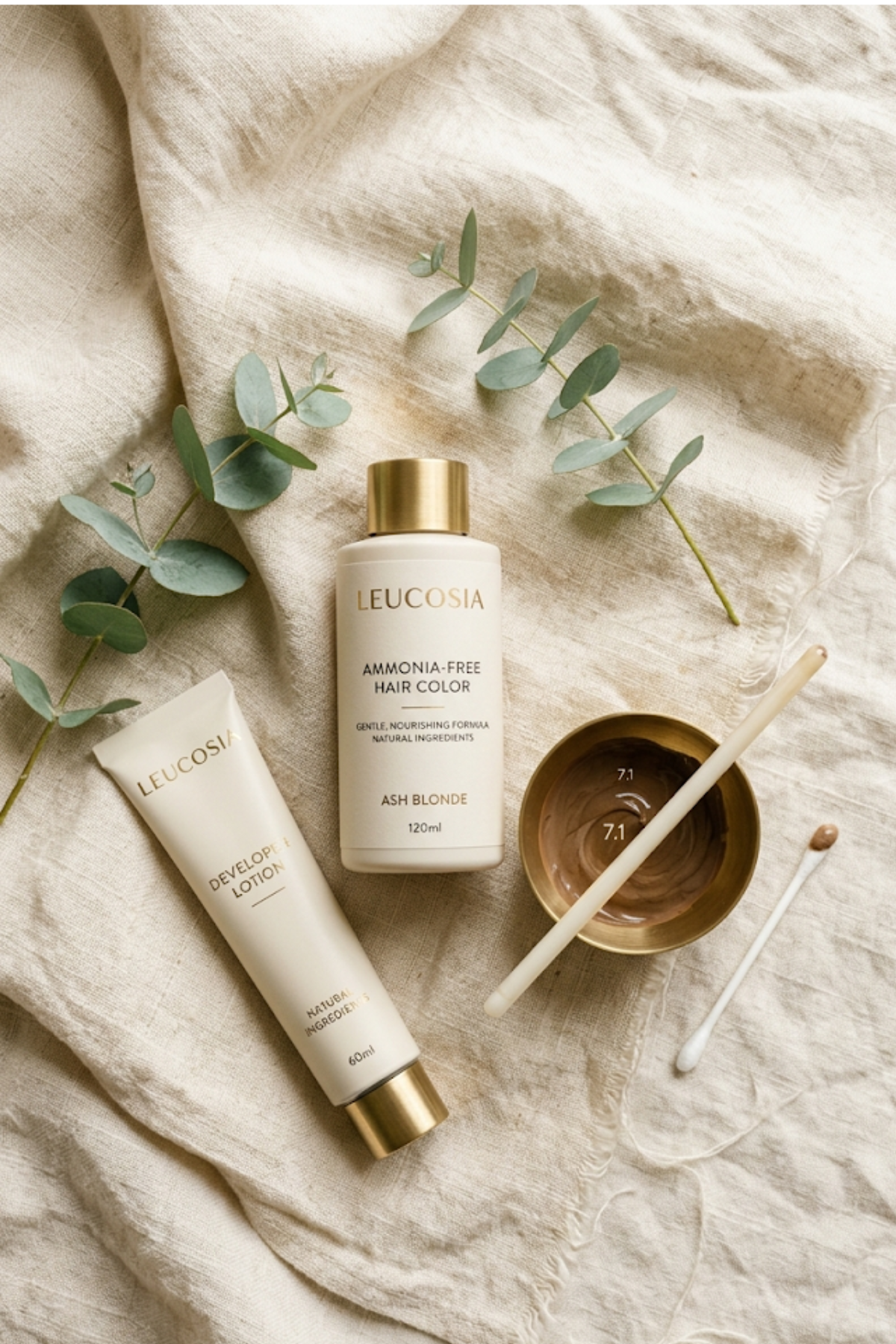
You can still color your hair but you need to be selective.
What to focus on:
Choose gentle, ammonia-free formulas
Avoid strong developers or harsh lightning
Space out coloring sessions to reduce irritation
Always do a patch test first, even if you’ve dyed your hair before.
If your scalp is flaring, wait until it calms down before coloring. Healthy scalp = better, more even color.
Choose Hair Colors That Work with Rosacea

If you have rosacea, certain tones can either balance your skin or make redness stand out more.
Avoid:
strong red tones
copper-heavy shades
overly warm colors near the face
Go for:
neutral browns
cool-toned brunettes
soft beige or ash tones
How to Ask Your Stylist the Right Way to Get Your Perfect Hair Color

You can know your undertone, contrast, and ideal shade, but if you don’t communicate it clearly, the result can still miss the mark.
Most salon disappointment comes down to how the request is explained.
Describe the Tone, Not Just the Color
Instead of saying: “I want brown.”
Say:
“I want a warm caramel brown with soft dimension.”
“I prefer something cool-toned and slightly ashy.”
Mention Your Maintenance Preference
This is just as important as the shade.
Say things like:
“I want something low-maintenance that grows out softly.”
“I’m okay with regular touch-ups if needed.”
Ask About the Fade and Upkeep
Always ask:
“How will this color fade over time?”
“Will it turn warm or stay neutral?”
A color that looks good on day one should still look good weeks later.
Request Techniques, Not Just Results
This is where you sound clear and specific:
“Can we add a root shadow for softer regrowth?”
“I want a balayage, not a full color.”
“Keep the front slightly brighter to frame my face.”
FAQs
How do I know what hair color suits me best?
Choose a hair color based on your undertone, your natural contrast, and your maintenance preference. When all three align, the color looks natural and flattering.
- Undertone: warm, cool, or neutral
- Contrast: low, medium, or high
- Maintenance level you are comfortable with
Should I go lighter or darker with my hair?
Go lighter if you want a softer, brighter look. Go darker if you want more depth and contrast. If you are unsure, start lighter gradually since it is easier to adjust than going too dark.
What hair color makes you look younger?
Softer, dimensional colors usually look more youthful. These include warm browns, honey tones, and subtle highlights. Avoid very flat or overly dark colors, as they can make features look harsher.
Can I test hair color before dyeing it?
Yes, you can use virtual try-on tools, hair color apps, or temporary dyes. These help visualize options, but final results still depend on your natural base and undertone.
How often should I touch up my hair color?
It depends on the type of color:
- Balayage or low-maintenance color: every 8 to 12 weeks
- Root touch-ups or solid color: every 4 to 6 weeks
- Toner refresh: every 4 to 8 weeks
Lower-maintenance colors last longer without noticeable regrowth.
Final Word from Haiirology
At this point, you don’t need to guess anymore.
The right hair color comes down to three things:
Your undertone → determines warm vs cool tones
Your natural contrast → determines how soft or bold the color should be
Your lifestyle → determines how practical the color is long-term
When these align, the result looks natural, balanced, and easy to maintain.
If you want a quick way to decide:
Warm undertone + low contrast → honey, caramel, soft blends
Cool undertone + high contrast → ash brown, espresso, cool tones
Neutral undertone → balanced shades like beige, blonde, or soft brown
This is the same framework I use with clients to avoid color regret.
Want your exact shade mapped out step-by-step?
Download my free hair color guide below!






Brassy, "not blonde enough," or unsure which highlights suit you? 15 blonde highlight looks, from money piece to balayage, and exactly who each one flatters.