
Dry Scalp or Dandruff? Here’s How to Tell the Difference

This post may contain affiliate links, which means I'll receive a commission if you purchase through the link at no extra cost to you. Please read the full disclosure here.
TL;DR
To tell the difference between dry scalp and dandruff, start by looking at your flakes. Dry scalp causes small, white, powdery flakes and often feels tight or itchy after washing. Dandruff creates larger, oily flakes that may appear yellowish and return quickly, even after cleansing. Dry scalp is linked to moisture loss from factors like weather, harsh shampoos, or dehydration, while dandruff is caused by excess oil and yeast overgrowth. Try a simple wash or scratch test: if flakes improve with moisture, it’s likely dry scalp; if they persist and feel greasy, it’s dandruff. Treat dry scalp with hydrating products, and dandruff with antifungal shampoos.
How to Know If You Have Dry Scalp or Dandruff
You see flakes. You feel the itch. Maybe your scalp feels tight, or maybe it’s greasy by day two. And now you’re Googling (again), trying to figure out if it’s just dryness… or actual dandruff.
Let me stop you right there: like most people, you might be treating the wrong issue.
As a hairstylist with over a decade behind the chair, I’ve had countless clients come in thinking they have dandruff, when really, it’s a dry, stripped scalp reacting to harsh products or overwashing.
I’ve also seen the flip side, oily scalps overloaded with build-up and yeast overgrowth that look like dry flakes but absolutely aren’t.
Dry Scalp vs. Dandruff?
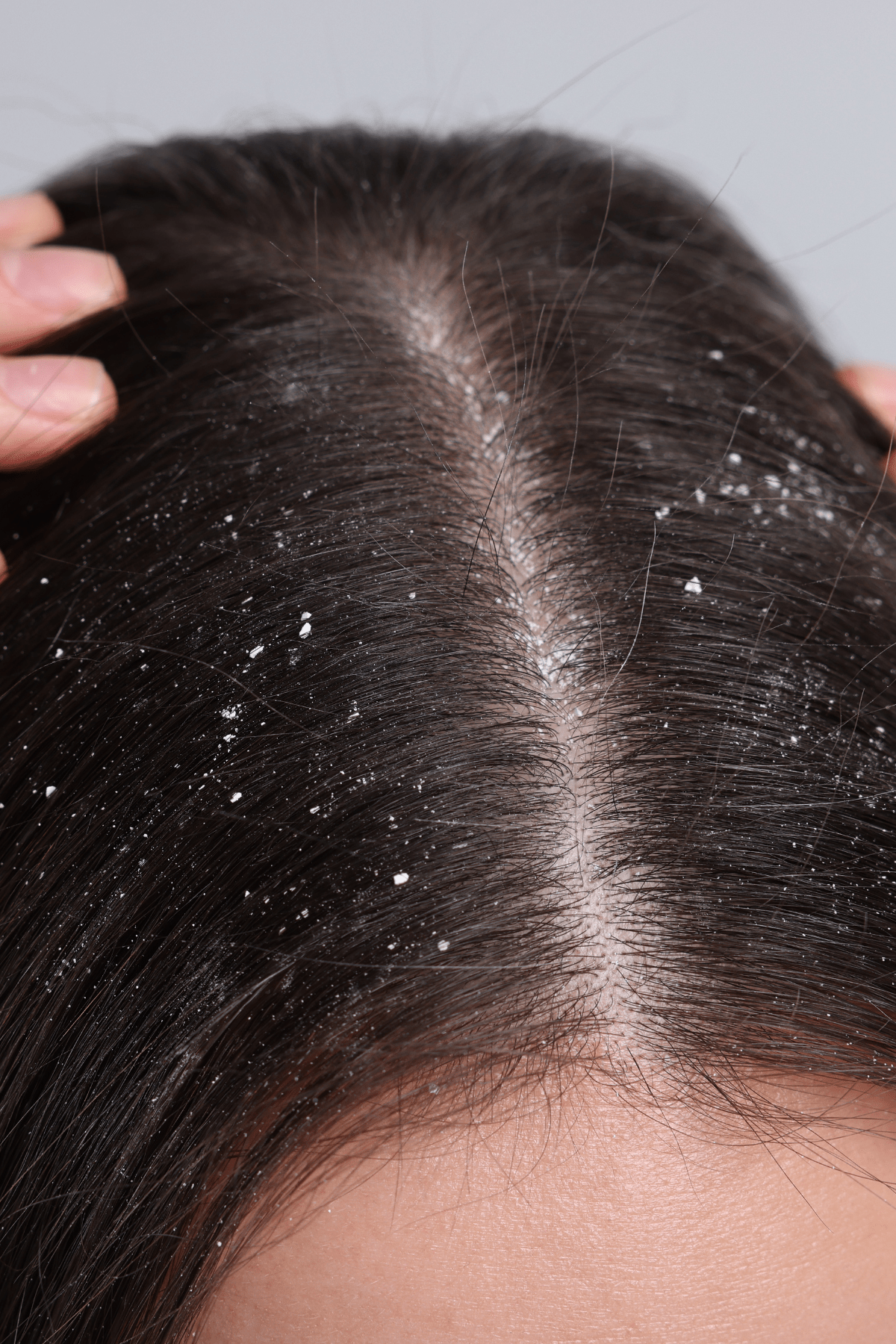
Dry scalp happens when your skin doesn’t produce or retain enough moisture. The scalp becomes tight, flaky, and sometimes itchy, especially after washing. The flakes are usually small, white, and dry.
Dandruff is a mild form of seborrheic dermatitis, often triggered by an overgrowth of yeast (Malassezia) on the scalp. It causes larger, greasy flakes that may look yellowish and often comes with itchiness and excess oil.
In this post, I’m going to teach you how to know if you have dry scalp or dandruff, from flake size to oil levels, to how your scalp behaves after a wash. You’ll learn how to test your scalp at home, figure out what products your scalp really needs, and finally stop wasting money on the wrong fixes.
Let’s decode your scalp once and for all.
6 Visible Signs of Dry Scalp vs. Dandruff
| Sign | Dry Scalp | Dandruff |
|---|---|---|
| Flake Size & Texture | Small, white, powdery flakes | Larger, greasy, clumped flakes (can look yellowish) |
| Where Flakes Show Up | Mostly on the scalp or hair roots | On scalp, shoulders, eyebrows, hairline, behind ears |
| Scalp Feel | Tight, dry, sometimes itchy after washing | Oily, itchy, and irritated between washes |
| Flake Behavior Post-Wash | Flakes may improve with moisturizing or gentle care | Flakes return quickly (within 24-48 hrs) without treatment |
| Common Triggers | Cold weather, hot water, harsh shampoos, dehydration | Excess oil, yeast overgrowth, buildup, skipped washes |
| Typical Hair Type | Dry, curly, low-sebum scalps | Oily, fine, straight hair is more prone to visible dandruff |
3 Scalp Health Tests At Home
Source: Canva Image
Okay, now that you know what to look for, let’s test your scalp like a pro would.
This is a method I’ve used on clients in the salon (and on myself in between wash days). It’s simple, quick, and surprisingly revealing.
You’ll only need a mirror, clean hands, and a few minutes.
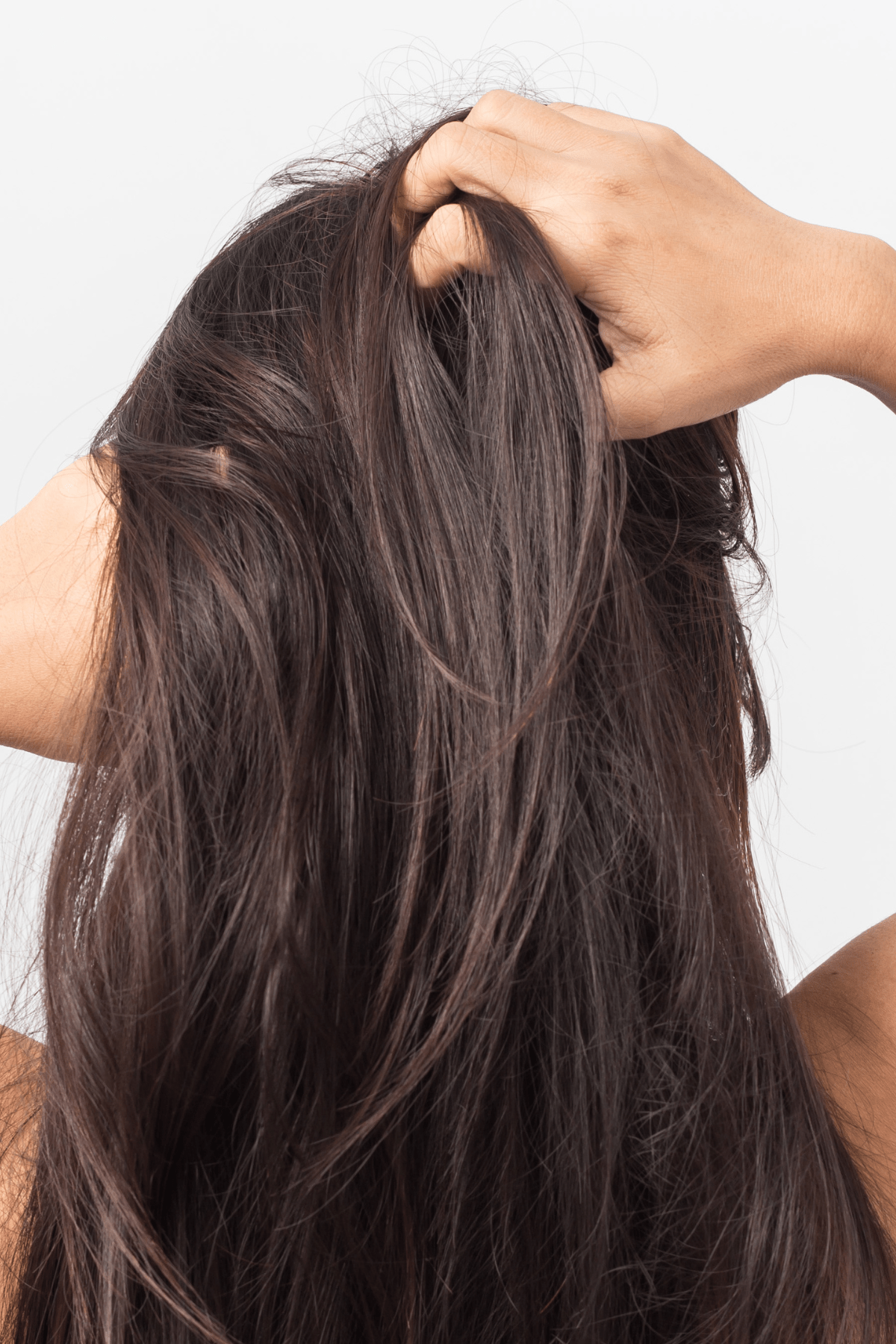
Test 1: Try the Scalp Scratch Test
Take your fingertips and gently scratch your scalp in a few different spots, especially near the crown and nape.
If you see tiny, dry, skin-like flakes that fall like dust, Dry scalp is more likely.
If the flakes are sticky, clumped, or feel greasy between your fingers: You’re probably dealing with dandruff or buildup.
If the flakes stay stuck to your scalp or roots after scratching, they’re likely mixed with sebum, pointing to dandruff or scalp buildup, not simple dryness.
Test 2: The Scalp Wash Test
Wash your hair as you normally would, but take note of how your scalp feels immediately after rinsing, and again 1–2 days later.
Dry Scalp Signs: Tightness, soreness, or itchiness that starts right after washing and fades after applying oil or moisture.
Dandruff Signs: Itch or flaking that returns quickly, often within 24–48 hours, and sometimes even worse than before.
Test 3: Observe Post-Wash Flake Behavior
This is one of the biggest giveaways I see in clients:
Dry scalp flakes tend to reduce after a hydrating shampoo or deep conditioning treatment.
Dandruff flakes often return fast if you’ve skipped an anti-dandruff shampoo or used something too gentle to address it.
Quick Self-Check Recap
Ask yourself:
Are my flakes dry and dusty, or sticky and oily?
Do I feel tightness after washing, or itchiness throughout the day?
Does moisturizing my scalp help or make it worse?
How fast do the flakes come back after a wash?
If your answers point to dryness, we’ll focus on hydration. If it’s dandruff, it’s time to rebalance the scalp and target the yeast.
| Hair Care Tips for Healthy, Shiny Hair |
|---|
| Learn essential hair care tips that help keep your hair nourished and looking its best: Discover these expert tips to keep your hair strong, shiny, and well cared for. |
What Causes Dry Scalp or Dandruff?
Source: Canva Image
One of the most common things I see behind the chair? Clients are treating dry scalp like it’s dandruff and making it worse. Or using harsh dandruff shampoos on a scalp that’s just thirsty. Let’s clear it up for good.
What Causes a Dry Scalp?
Dry scalp is usually caused by external factors or lifestyle habits that strip your skin of moisture. It’s not about fungus or infection but about imbalance.
Here’s what dries your scalp out:
Cold or dry weather (especially winter)
Hot water showers
Harsh shampoos or sulfates
Overwashing
Skipping scalp hydration
Vitamin deficiencies (especially B vitamins and essential fatty acids)
Aging, our skin naturally loses oil over time
If your skin tends to feel dry elsewhere (like your face or elbows), your scalp probably needs the same TLC.
👉Find out how to calm, soothe, and nourish it with my go-to Scalp Care Routine to Soothe an Irritated Scalp!
What Causes Dandruff?
Dandruff is a mild form of seborrheic dermatitis, usually triggered by an overgrowth of a yeast called Malassezia that naturally lives on everyone’s scalp. But when there’s too much oil or buildup, that yeast can multiply and irritate the scalp.
Here are the usual dandruff triggers:
Excess oil/sebum production
Infrequent washing
Poor scalp hygiene or buildup
Hormonal shifts
Stress
High-sugar or high-dairy diets (in some sensitive individuals)
This kind of flaking often comes with itchiness, redness, and even odor in more severe cases.
👉Check out my How to Keep Your Scalp Healthy guide for expert tips that make a real difference!
What If It’s Neither Dry Scalp Nor Dandruff? (Or Both?)
Let’s not forget a third category I see often in the salon: “flaky scalp that’s not dandruff.”
This could be:
Product buildup from dry shampoo, hairspray, edge control, or serums
Hard water minerals clog pores
Residual flakes from poor rinse-outs
If your flakes only show up when you skip wash day, or feel more like “grit” than skin, buildup might be to blame, not dryness or dandruff.
How to Choose the Right Treatment for Your Scalp Type

Source: Canva Image
Once you know whether it’s dryness or dandruff, the fix becomes so much easier. The key is choosing products that work with your scalp’s actual needs, not just whatever’s trending on TikTok.
Treatment for Dry Scalp
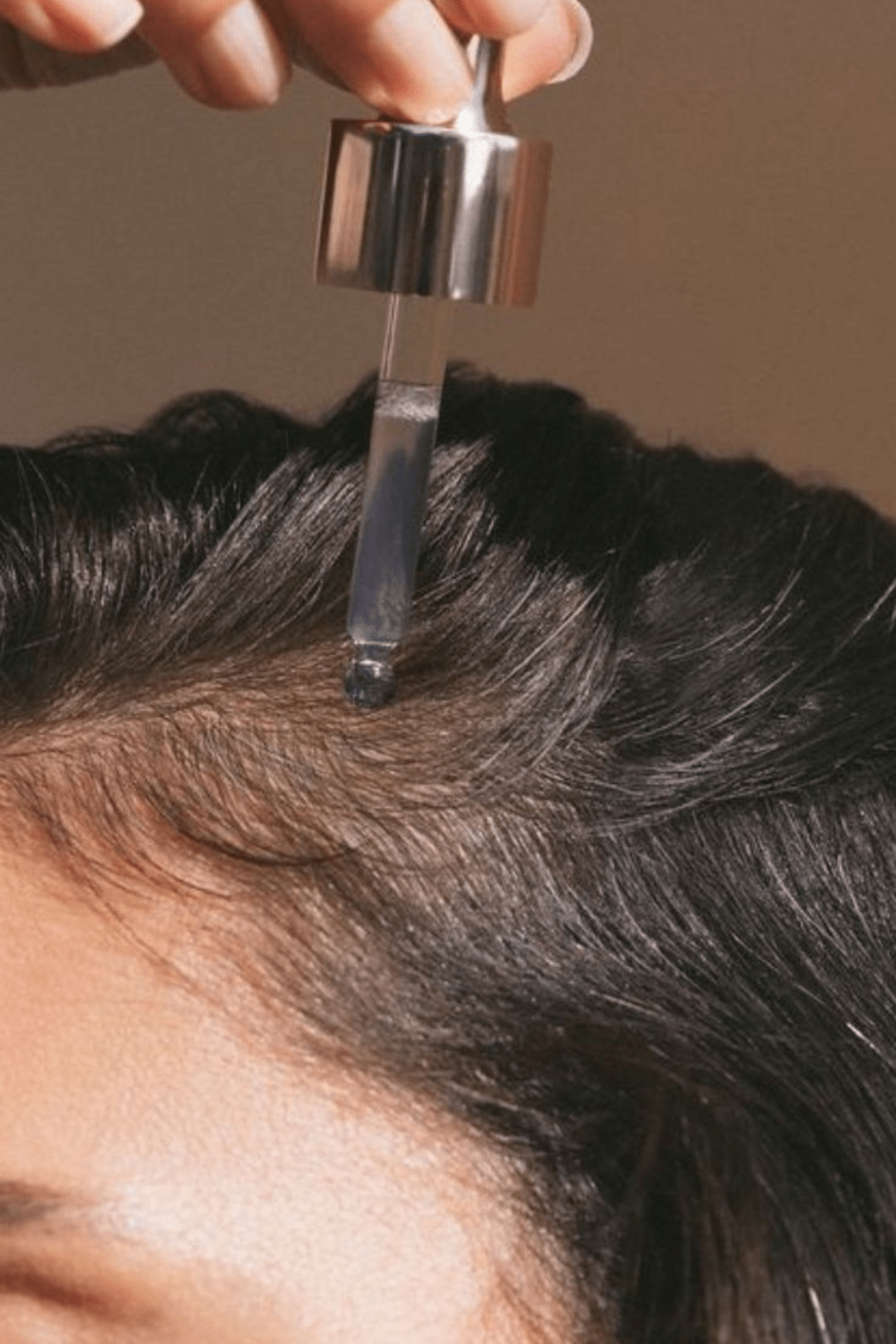
Your scalp is dehydrated and needs moisture. This kind of scalp tends to feel tight after washing, flake lightly, and responds well to nourishing care. If your scalp feels dry immediately after rinsing shampoo, add an oil step before washing and a moisturizing serum after towel-drying.
Best Products for Dry Scalp:
| Product | Key Ingredients | Benefits | How to Use | Where to Buy |
|---|---|---|---|---|
| JVN Pre-Wash Scalp Oil | Hemi-squalane, rosemary extract | Rehydrates the scalp and reduces tightness | Apply before shampooing. Let it sit for 10–15 minutes to lock in moisture. | Buy Here |
| Briogeo Scalp Revival Shampoo | Charcoal, coconut oil, peppermint | Gently cleanses while soothing and balancing the scalp barrier | Use as your regular shampoo. Ideal for dry or irritated scalps. | Buy Here |
| Innersense Hydrating Hair Masque | Aloe vera, monoi oil, shea butter | Restores elasticity and deep moisture | Use weekly for intensive hydration and repair. | Buy Here |
Treatment for Dandruff
Dandruff means your scalp is overproducing oil, and yeast is having a party up there. The flakes are larger, sometimes yellowish, and come back quickly if untreated. You need products that contain antifungal ingredients to rebalance your scalp long-term.
Best Products for Dandruff:
| Product | Active Ingredients | Benefits | How to Use | Where to Buy |
|---|---|---|---|---|
| Nizoral A-D Shampoo | Ketoconazole 1% | Clinically proven to kill dandruff-causing yeast and reduce flaking fast | Use 2× weekly. Leave on scalp for 3–5 minutes before rinsing. | Buy Here |
| Head & Shoulders Clinical Strength | Selenium sulfide | Reduces itching, controls oil, and helps prevent flare-ups with regular use | Use as directed, focusing on the scalp. Ideal for maintenance. | Buy Here |
| Paul Mitchell Tea Tree Hair & Scalp Treatment | Tea tree oil, peppermint, lavender | Cooling itch and helps balance oil levels | Use as a soothing follow-up after active shampoos. | Buy Here |
Don’t Mix Moisture with Medication Without a Plan
If you try to hydrate and fight yeast at the same time without knowing when or how, you could cancel out both. Stick to one clear treatment strategy for at least 2–3 weeks.
When to Switch Products or See a Dermatologist
Source: Pinterest
Even with the right products, your scalp won’t change overnight. So let’s talk about how to track progress and when it’s time to pivot or ask for help.
Give Your Routine Time to Work (But Not Forever)
One of the biggest mistakes I see clients make is giving up too soon. Scalp treatments need consistency.
Here’s my rule of thumb:
Stick with a new product for at least 2–3 weeks before judging results
Avoid switching shampoos every wash, as this disrupts your scalp barrier
Track how your scalp feels after each wash (tight? greasy? itchy?) instead of just counting flakes
If the flakes are getting smaller or the itch is calming down, you're probably on the right track.
Signs It’s Time to Switch Things Up
If you’re 2+ weeks into a new routine and still seeing these red flags, it might be time to reassess:
More flakes, not less
Oily, itchy patches that don’t go away
Scalp starting to burn, sting, or break out
No relief even after moisturizing or exfoliating
When to See a Dermatologist
There’s no shame in asking for backup if you see signs of something deeper.
Make an appointment if:
Flakes are yellow, crusty, or weeping
You see open sores or painful bumps
You’re experiencing hair loss in flaky areas
The irritation spreads beyond the scalp (to your eyebrows or ears)
You’ve tried multiple treatments for over a month with zero results
These could be signs of psoriasis, seborrheic dermatitis, or another scalp condition that needs prescription support.
FAQs
How do I test if I have a dry scalp?
Gently scratch your scalp and check the flakes. If they are small, white, and fall like powder after washing, you likely have a dry scalp. Tightness or soreness post-shower is another big sign.
How do you know if your scalp is too dry?
A too-dry scalp feels tight, itchy, or sore after washing. You might also notice flakes right after rinsing, especially in cold or dry weather. If oil or deep conditioning helps immediately, dryness is your issue.
What happens if you leave dandruff untreated?
Dandruff can worsen over time, leading to increased itching, inflammation, and even temporary hair shedding. In severe cases, it can develop into seborrheic dermatitis or scalp infections if not managed.
Which vitamin deficiency causes an itchy scalp?
A lack of vitamin B (especially B7, aka biotin), vitamin D, or essential fatty acids can contribute to scalp dryness and itching. If you are eating well and still experiencing chronic dryness, it is worth getting bloodwork done.
How to treat an itchy scalp in children?
Start with a gentle, fragrance-free shampoo. If the itch does not improve after 1 to 2 washes, use a kids version of anti-dandruff shampoo (ask your pediatrician first). Avoid over-washing and keep their scalp moisturized with lightweight oils like jojoba.
What causes dandruff in kids?
Just like adults, dandruff in children can be caused by yeast overgrowth, infrequent washing, or product buildup. Hormonal changes (even mild ones) can also play a role as they grow.
How to tell if you have scalp buildup or dandruff?
Buildup feels gritty or waxy and may only appear after dry shampoo or styling product use. Dandruff tends to be itchier, oilier, and consistent regardless of what you have used. If flakes go away after clarifying, it was buildup, not dandruff.
Final Word From Haiirology
Knowing how to tell if you have dry scalp or dandruff isn’t just about labels; it’s about finally understanding what your scalp is trying to tell you.
If your flakes are dry, powdery, and show up after washing? You likely need hydration. If they’re oily, itchy, and show up again the next day? You’re probably dealing with dandruff. And if your scalp still feels “off” even after trying both? It might be a buildup or time for a quick check-in with a dermatologist.
The good news? Now you’ve got the tools to decode what’s going on and treat it the right way.
Need help figuring out your next product move? Shoot me a DM on Instagram.
And if you found this helpful, don’t forget to bookmark it, share it with a friend, or pass it along to anyone who’s stuck in the flaky scalp guessing game.







Brassy, "not blonde enough," or unsure which highlights suit you? 15 blonde highlight looks, from money piece to balayage, and exactly who each one flatters.